
The NCAA fails to file appeal of preliminary injunction order by deadline in lawsuit by Tennessee and Virginia
It looks like the injunction against the NCAA isn't going anywhere. The organization did not file a Notice of Appeal of the order granting preliminary injunction within the time frame provided under applicable law. United States District Court Judge Clifton L. Corker entered an order on February 23, 2024, granting the motion for preliminary injunction against […]

It looks like the injunction against the NCAA isn't going anywhere. The organization did not file a Notice of Appeal of the order granting preliminary injunction within the time frame provided under applicable law.
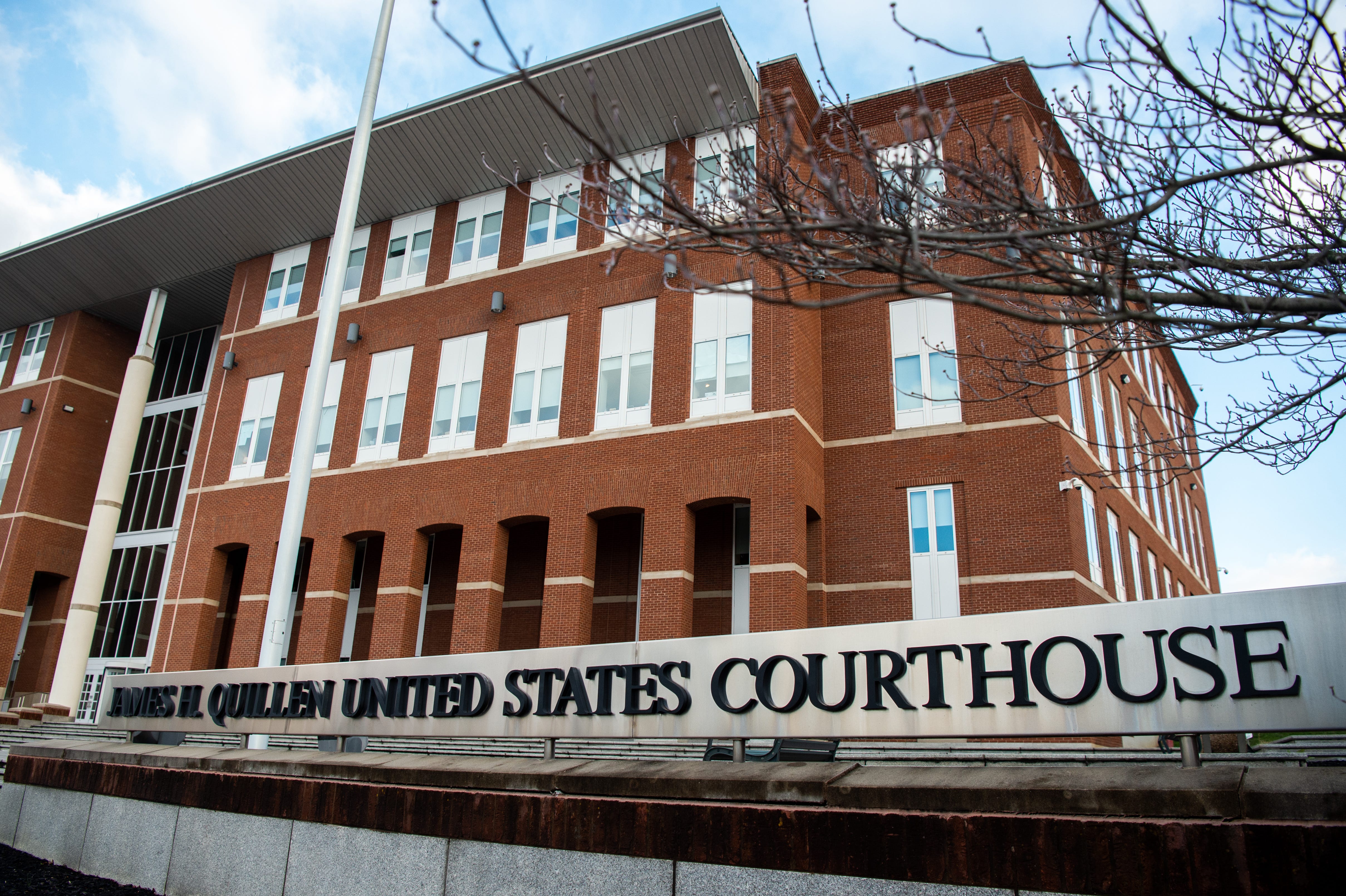
United States District Court Judge Clifton L. Corker entered an order on February 23, 2024, granting the motion for preliminary injunction against the NCAA requested by the states of Tennessee and Virginia in their lawsuit challenging the validity of the NCAA's NIL rules and regulations.
According to 28 U.S.C. Section 1292(a), the order granting injunction is appealable to the United States Court of Appeals. However, under the applicable rule of appellate procedure, the NCAA would have 30 days from the date of entry of the order (which was entered on February 23) to file a Notice of Appeal with the District Court clerk. As of Tuesday, March 26, 32 days have passed since February 23, and no Notice of Appeal appears on the docket. No appellate case number appears in the Federal Court system database either.
As such, the NCAA's time to appeal the order has passed. It's interesting that the NCAA did not proceed with a timely filing of a Notice of Appeal. That would at least have allowed them to preserve their right to appeal and keep their options open.
Perhaps they did not want to incur the expense of the process, as an appeal would have been relatively time-consuming and costly. Or perhaps the NCAA knows they are now fighting an uphill legal battle and simple didn't want to take another loss both in the case and in the court of public opinion.
Regardless, the NCAA's enforcement of its NIL rules is going to continue to be restricted for the foreseeable future. For those who favor athletes having the unfettered right to maximize the market value of their name, image, and likeness, that's even more good news.
Craig Smith is a former litigator who practiced as a member of the Bar of the Eastern District of Tennessee while in Tennessee, but no longer practices law. The foregoing article is his personal opinion in the aforementioned matter only and should not be relied upon as legal advice by any individual or entity.
