
Bengals finally show real change in signing Orlando Brown Jr.
Brown’s contract is one-of-a-kind in Bengals history, in a good way.


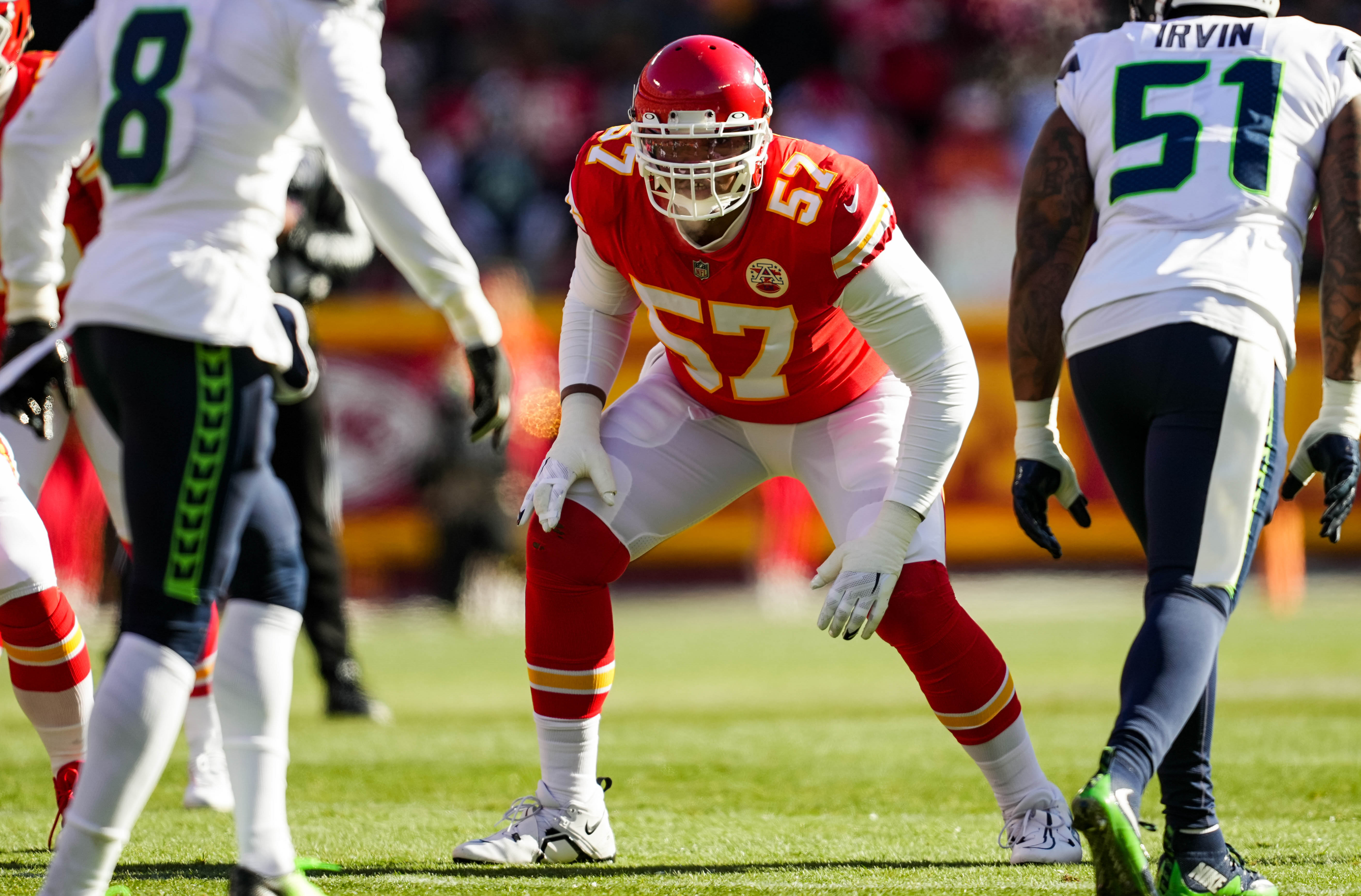
In one sweeping move, the Cincinnati Bengals changed everything we thought we knew about the franchise.
That may sound like an exaggeration, but it really isn't.
Cincinnati going all-in on protecting Joe Burrow by signing *left* tackle, not right tackle, Orlando Brown Jr. to a four-year, $64 million deal with over $40 million guaranteed shattered three different molds the franchise has never broken before.
Let's start with the obvious. Cincinnati has never committed this much money to any free agent, much less an offensive lineman. Trey Hendrickson's four-year, $60 million deal comes close on the surface, but the Bengals only guaranteed $16 million of that contract and had to offer $20 million in cash up front to get it done.
Brown's deal completely blows any other offensive lineman contract in their history out of the water. Alex Cappa's four-year, $35 million deal is the next-closest comparison, and that was considered large when it was signed last year.
What's even crazier is that Brown was expected to make a lot more. Pro Football Focus projected him to land $21 million per year, and after the Kansas City Chiefs added Jawaan Taylor at $20 million per year to replace him, it seemed like Brown would achieve that mark. Instead, the Bengals got him well outside the top 10 in terms of average annual value for the tackle position.
The Bengals' frugal reputation has often been reflected in their willingness to seriously invest in the offensive line. Andrew Whitworth's accounting of low-balling just six years ago still haunts the memories of fans. The team didn't even try to retain Kevin Zeitler that same offseason. Both moves set the position group back several years.
Brown isn't exactly one of the five best edge protectors in the game like Whitworth was at his peak, but he's not far off from that level. He's a four-time Pro Bowler with a track record of consistency in both pass and run blocking. He sought to prove worthy of a left tackle's contract, and he achieved that with the Kansas City Chiefs after the Ravens never gave him that chance. In doing so, he made the Bengals completely switch up their plans at the left tackle position.
At the NFL Scouting Combine, offensive coordinator Brian Callahan seemed to shut down the idea that Jonah Williams was moving from the position with a year left on his contract. It made sense considering Williams hasn't played another o-line position since he was a freshman at Alabama in 2016. They've been bullish on Williams from the moment they drafted him four years ago.
It only makes Browns's arrival in Cincinnati even more stunning; there's no other way to put it. That also leads to the second and third broken molds.
Brown's deal reportedly comes with a $31 million signing bonus, the largest for an offensive lineman in history. I think that bears repeating.
The Cincinnati Bengals gave out the largest signing bonus an offensive lineman has ever been given.
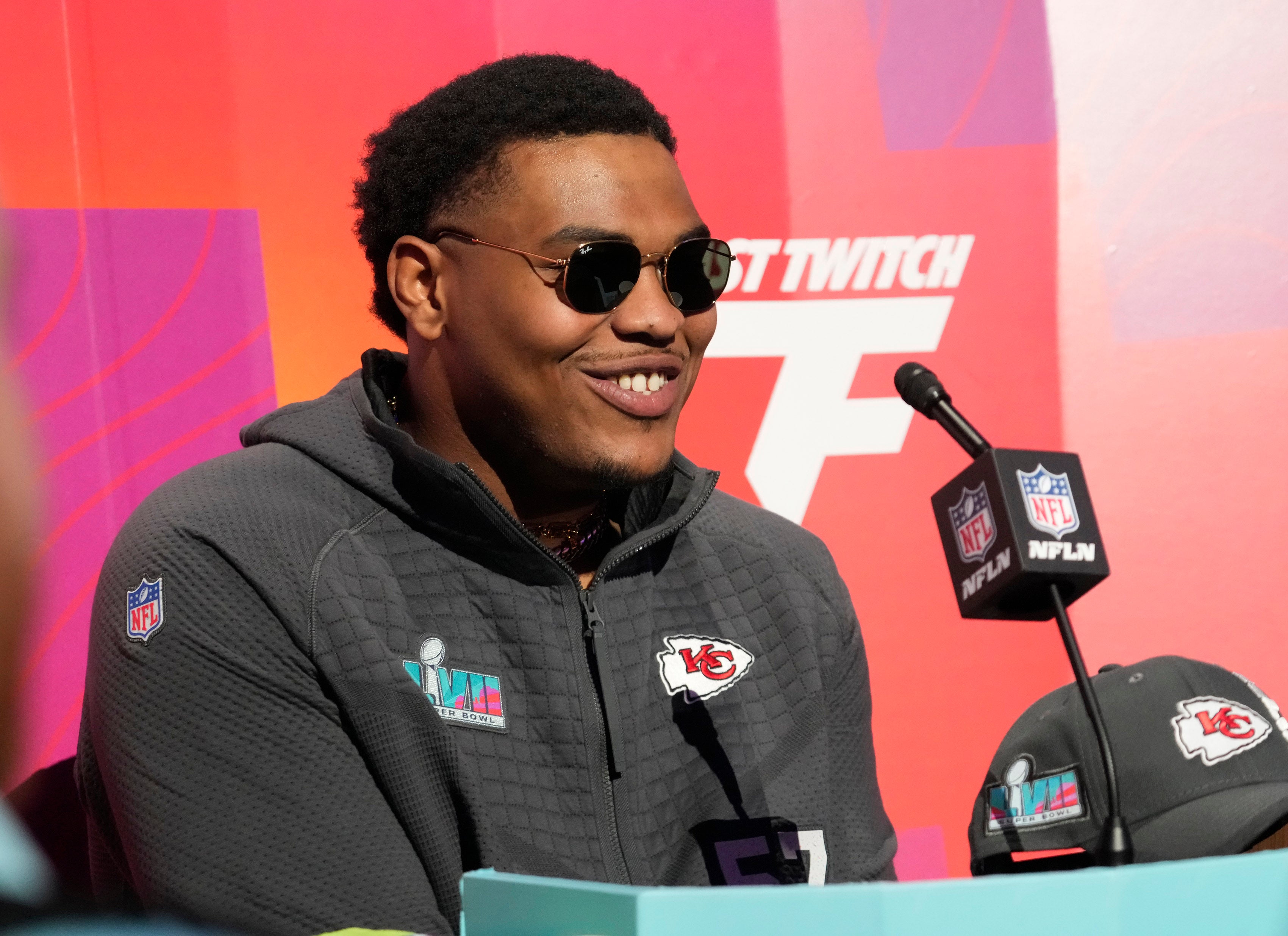
Such an up-front sum of cash has never been paid by the Bengals before. Not to Geno Atkins, not to Andy Dalton, not even to A.J. Green, though the latter came closest at $26 million back in 2015.
$31 million due at signing is great for one specific reason: first-year cap number. Brown's signing bonus will be prorated over the four-year life of the deal, meaning it will count for $7.75 million per year on the cap. Because Brown is pocketing essentially 50% of the deal this year, the team can pay him a minimum base salary this season, which would make his cap number a very manageable $8 or $9 million figure.
We'll have to see what the official contract details look like, but this is how NFL teams attract high-priced free agents and maintain cap space. It's also a self-imposed obstacle the Bengals had to work around since the dawn of free agency.
Hendrickson's a good example of this. Because the $10 million signing bonus was the only guaranteed part of his deal, the Bengals had to incentivize the offer with a $6 million roster bonus and a $3.8 million base salary in year one. Both of those add-ons inflated his cap hit that season to nearly $12.5 million.
You can also get away with a minuscule base salary to start by ensuring guarantees after the first year, and that leads to the third and most important broken trend.
Brown's total guarantees add up to approximately $43.5 million, according to the 67.87% percentage reported by NFL Media's Ian Rapoport. Obviously the signing bonus is guaranteed, but that's just the aforementioned $31 million.
This means the Bengals, for the first time ever, guaranteed at least part of a base salary in the second year of a veteran contract.
No one who follows the Bengals needs to be reminded how monumental that is.
The general belief was that if this was going to change, it would be Joe Burrow sparking it. Cincinnati is still in the process of extending its franchise quarterback sometime this year, and with how the quarterback market is trending, it will be almost impossible not to include lucrative amounts of "real" money in his deal.
Instead, the front office went out and did it for his new left tackle. If there's a more symbolic gesture of good faith, I'd like to see it.
This one transaction broke three different barriers the Bengals had previously set up around them, and it coincidentally fortified a barrier around their most important asset.
Times are, indeed, changing.