
Packers can still have hope if the defense creates a perfect storm to replace Micah Parsons’ production moving forward
Defensive coordinator Jeff Hafley will have to be creative to adapt his unit to life without Micah Parsons.


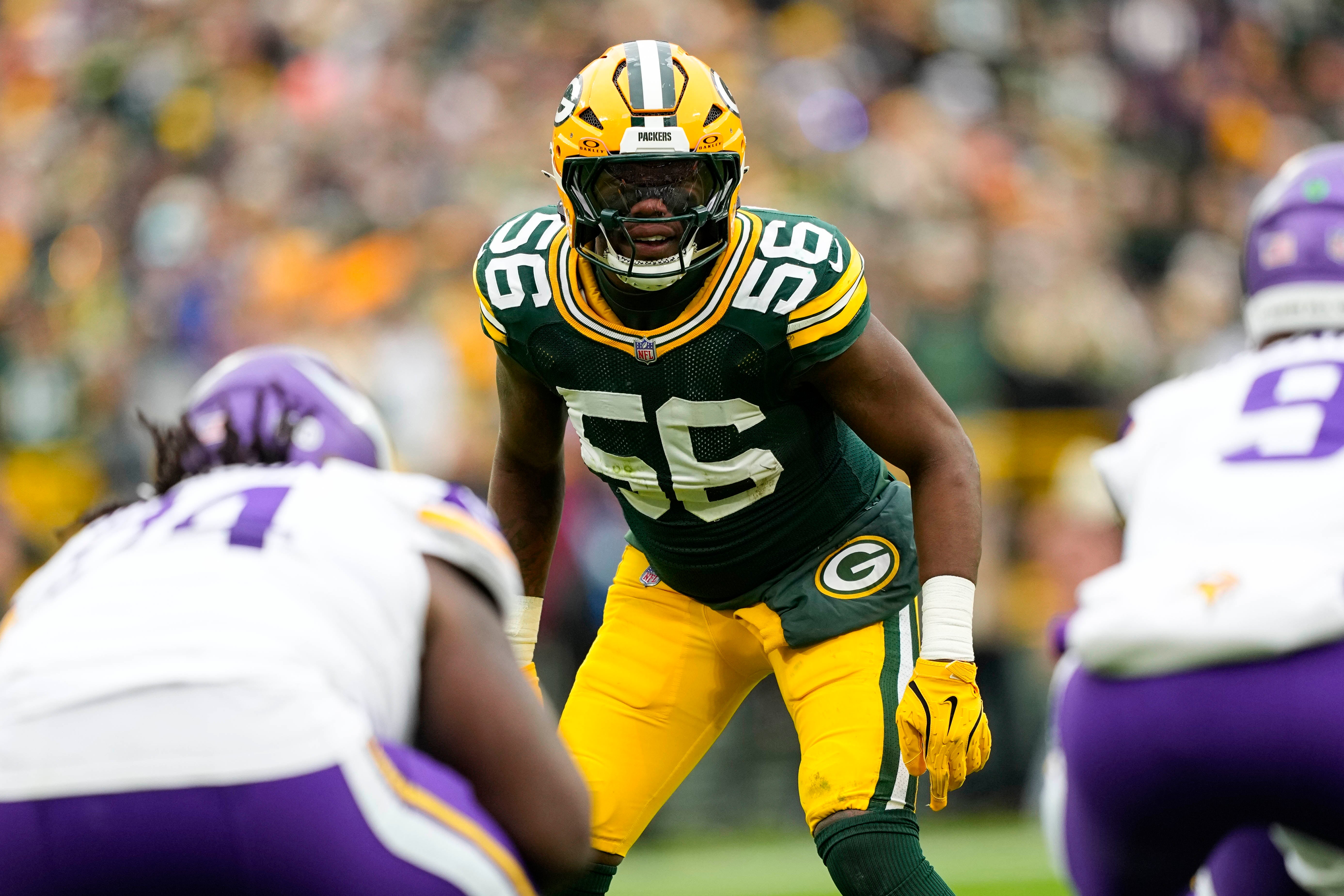
The Green Bay Packers lost Micah Parsons for the season with a torn ACL, and now the entire defense will have to adapt to a new reality. While it’s obviously much more difficult to win it all without that kind of player, the Packers are still in a decent position to make the playoffs.
As Matt LaFleur said, they can’t feel sorry for themselves. Defensive coordinator Jeff Hafley will have to adapt the defense, though, and the results of that process will determine how far this team goes in the postseason.
Hafley will have a lot of work to do over the next few days and weeks, and we’ll discuss which aspects of the unit can be adjusted to adapt for life without Parsons.
Personnel
Via ESPN stats, Micah Parsons had 64 pressures this season. Rashan Gary is second on the Packers with 28, and the difference of 36 is the largest gap between any team’s top-two leaders in 2025.
But without Parsons, those players behind him will have to step up. Gary is what he is at this point, but Lukas Van Ness was on pace to have a career year before a foot injury derailed his season — now he’s back, though, and his role will be imperative.
Kingsley Enagbare has been excellent against the run, and his role is particularly important with games against the Chicago Bears and Baltimore Ravens coming up. Rookie Barryn Sorrell was a healthy scratch against the Denver Broncos, and now he returns to the rotation.
Returns for depth
The Packers don’t have many outside options now to add to the edge defender room, but that doesn’t mean reinforcements are not on the way. Soon, the active roster may get two pieces back from injury, and that’ll help mitigate the depth issue.
The first one and more likely to impact the team is Brenton Cox Jr. Last year, he led the team in pass rush win rate, and he has the most similar body to Parsons’ of the group. He’s handled a groin injury since Week 1, but has been designated to return from injured reserve and should be activated sooner rather than later.
The other piece is fifth-round rookie Collin Oliver. Drafted as a hybrid edge/off-ball linebacker, he is listed as a defensive end. Oliver has a hamstring injury and missed the entire training camp, preseason, and regular season so far, but is back at practice from the physically unable to perform list.
Blitz
The Packers entered Week 15 with a 19.6% blitz rate, one of the lowest in the entire NFL. Without Micah Parsons, the defense simply won’t be able to generate pressure with four nearly as frequently, so Jeff Hafley will probably have to be more aggressive with his play-calls.
Green Bay has played a lot of rushing four and soft zone, but that won’t work with a worse group of rushers — it’s truly a domino effect at defensive end.
Simulated pressure
The problem with blitzing is that it exposes the secondary if it doesn’t get home. And the Packers’ cornerback group is a big concern — Jeff Hafley knows he has to protect those players. The way to minimize that exposure while creating extra heat for opposing quarterbacks is simulated pressures. You send different bodies to rush the passer, dropping regular rushers into coverage. By doing that, you create confusion for the quarterback without the need to send extra bodies.
Down the stretch last year, Hafley leaned on that strategy, inspired by what Brian Flores runs with the Minnesota Vikings. That should be the approach moving forward, especially because the Packers have excellent blitzers in the second level of the defense — Edgerrin Cooper and Quay Walker in particular.
