
The Dolphins would be better off to avoid repeating a offseason roster decision that backfired on them in 2025
The one roster move the Dolphins should not replicate from last year.


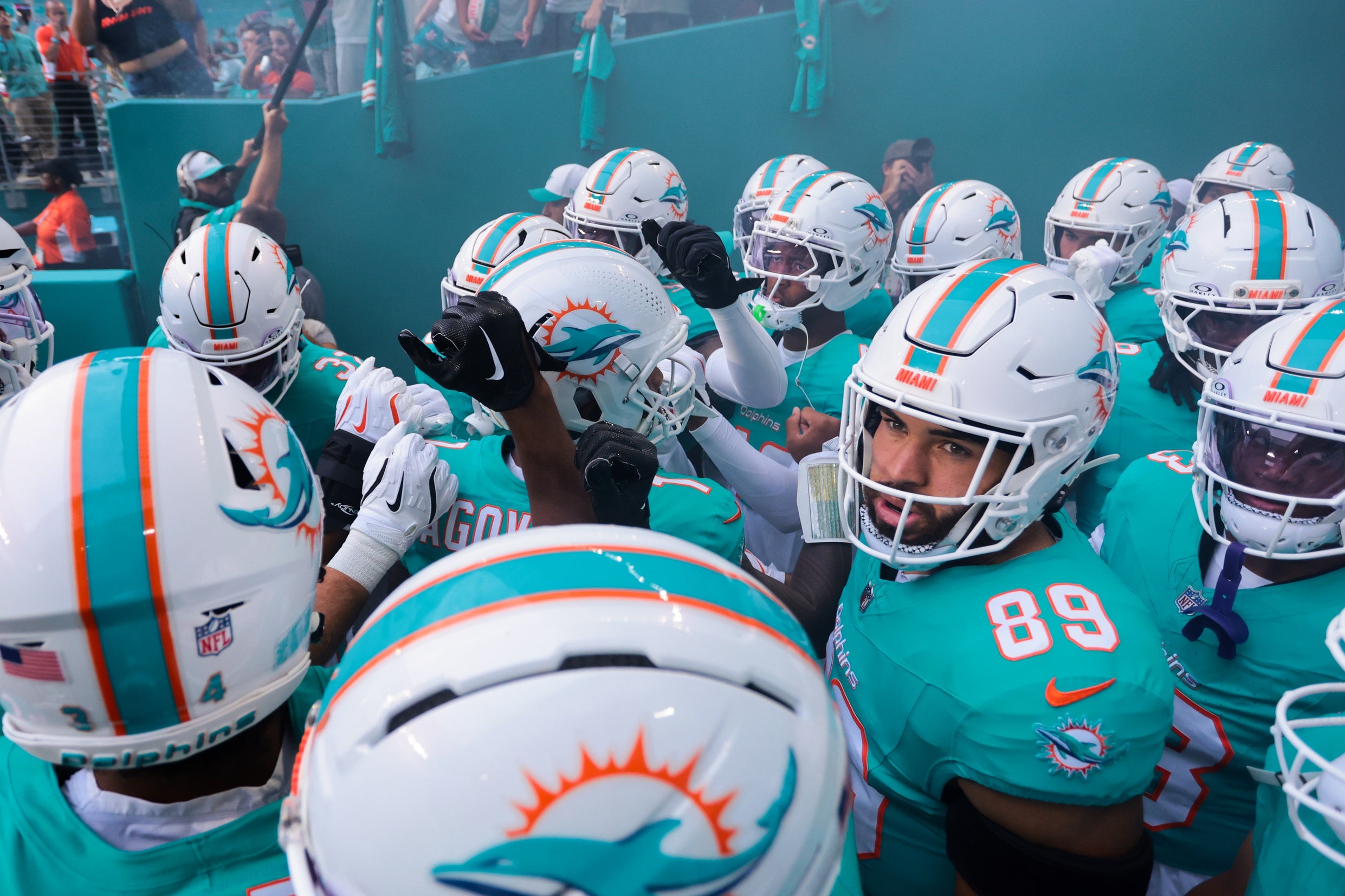
The Miami Dolphins have no shortage of personnel decisions that need to be made in the next several weeks.
Free agency is set to open one week from today, and few teams have as many players set to flood the open market as the Dolphins. Many of them will not be back. It’s both a testament to the team’s talent level this past season and also a reality of where the team sits economically. The Dolphins are going to be resetting their operation. As they get ready to assess who to bring back, the team will have several strategic decisions to make. Ideally, this year’s team avoids one strategic decision that last year’s group made.
Dolphins should avoid using restricted free agent tender on TE Julian Hill

The Dolphins used the “right of first refusal” restricted free agent tender on cornerback Kader Kohou in 2025. It was a move that obviously did not pay dividends, as Kohou was injured in training camp and missed the entirety of the 2025 regular season. It was a turn of events that was completely out of Miami’s control. But it still was a decision that backfired, given the Dolphins were tight against the cap in 2025 and committed the tender value to a player they ended up not getting all year. This year, tight end Julian Hill is the team’s former undrafted gem who is now a restricted free agent.
Hill, like Kohou, is a candidate for an RFA tender entering this offseason. The financial options for restricted free agents are as follows:
First Round tender: $8.107M
Second Round tender: $5.811M
‘Right of First Refusal’ tender: $3.547M
Hill was, in 2024, a maligned young player with the Dolphins fanbase. The angst came in part because of an excessive number of penalties in the first half of the season, but also was rooted in a lot of overly ambitious assignments he was given as a blocker in space. It’d be a tough task for any tight end to take a full-speed motion at the snap and then climb up to a safety or linebacker and not only connect but also sustain the block out by the numbers. That’s where Hill lived.
He was better in 2025. The Dolphins found other pass catchers in the tight end room to allow Hill to focus on his blocking specialties, and he cut down on the penalties. This is a player who would have a role to fill in any NFL tight end room. He’s ideally a TE2 or TE3 who plays on short-yardage downs and in certain weeks when the game plan calls to muscle up the opposing personnel packages by playing with bigger bodies on the field.
Perhaps Miami chooses to simply let him walk. But if they want him back, Miami should bypass the restricted free agent tender and try to iron out an extension. Depth tight ends and blocking specialists are, generally, perceived as a non-premium asset. And for a team in which every dollar counts (both in cash and cap) in 2026, simply slapping an RFA tender on Hill doesn’t feel like a cost-effective approach. Instead, the Dolphins should pursue a multi-year deal for an annual average that sits among where Hill’s peers rank in pay.
Johnny Mundt signed a two-year contract worth a total of $5.5 million ($2.75M average) in 2025 with the Jaguars. Drew Sample’s most recent contract in Cincinnati was a three-year, $10.5 million deal ($3.5M average) in 2024. Former Dolphin Hunter Long signed a two-year, $5 million deal with Jacksonville in 2025 as well. The Dolphins should be angling for a price point in this range, which sits marginally below the one-year tender value of $3.547M.
And if Hill wants to try to catapult his first three years in the league into a bigger payout, then the Dolphins would be better served to offer him a multi-year deal that offers more cap flexibility in 2026 while staying in the same ballpark, or else wish him well and stay cost-effective with this role in their offense. They’ve got bigger roles that need addressing before overextending on role players on the roster.
