
Brian Gutekunst’s free agency wins and whiffs reveal patterns the Packers cannot ignore to reach their true ceiling
Green Bay has been more active to add external pieces with Gutekunst as the GM.


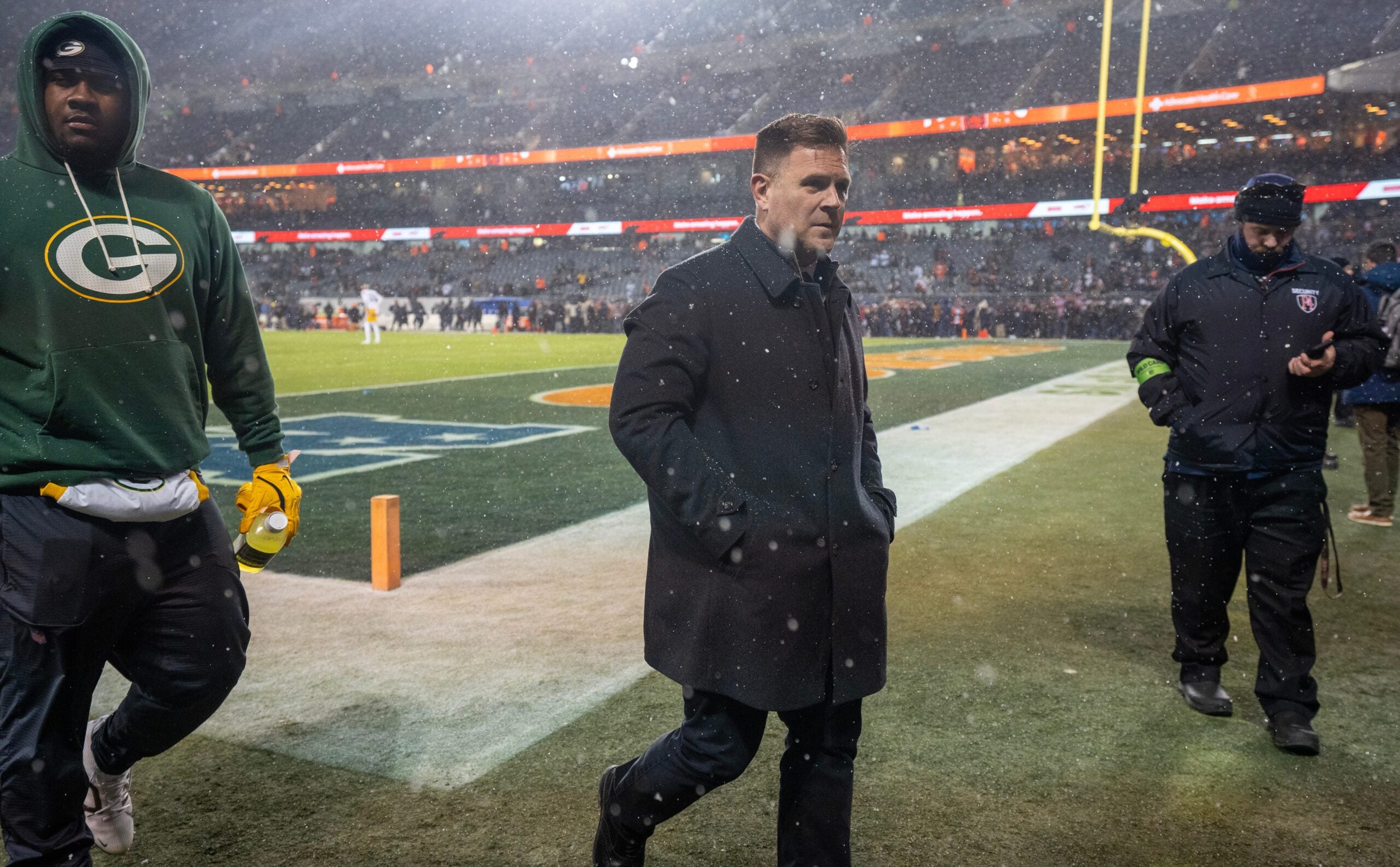
When Brian Gutekunst took over as a general manager for the Green Bay Packers in 2018, the concern among fans was how much he would actually differ from Ted Thompson’s approach to build the roster. Eight years later, it’s fair to say that, while the root of the process is the same, there are real, tangible differences.
The draft still is, and will always be, the most impactful part of roster building, but Gutekunst has been more willing to add external players — whether it’s via free agency, trades, or waiver claims.
Particularly in free agency, Gutekunst has made some big moves. Outside of the twilight years of Aaron Rodgers’ tenure in Green Bay, where the team barely had cap room to operate, Gutekunst has led an effort to improve areas of the roster he couldn’t solve in the draft.
After almost a full decade of evidence, it’s already possible to take a reasonable look at what has happened, identify trends, and suggest lessons that the Packers should learn to be more assertive in years to come — but specifically when the tampering period starts next week.
Biggest hits: Za’Darius Smith, Preston Smith, Adrian Amos, Josh Jacobs, Xavier McKinney.
Biggest misses: Billy Turner, Aaron Banks, Nate Hobbs.
Sign players from bad organizations
Back in 2024, the New York Giants allowed Xavier McKinney to walk in free agency because they didn’t want to pay a player at a non-premium position. A year later, they gave Jevon Holland a slightly lower deal. So what’s the point? You have to take advantage of bad teams, whether it’s inconsistent decision-making or not correctly utilizing a player’s skill set — the same can be said about why the Packers got Josh Jacobs for such a team-friendly deal one year before the Las Vegas Raiders used the sixth overall pick on a running back.
Sign players who were efficient when they played
This is a specific lesson from getting Za’Darius Smith. He was a part-time, rotational player on the Baltimore Ravens throughout his rookie contract. Smith generated 60 pressures in 2018 on a limited number of snaps. It wasn’t certain that he would replicate that efficiency with more volume, but those are the kinds of bets you have to make in free agency. It worked out immediately, and Smith had 93 pressures in his first year as a full-time starter in Green Bay.
Don’t shy away from big deals (but follow the process)
For the most part, the Packers have been very boom or bust in free agency — it’s essentially the top of the market or veteran minimum deals. And that’s okay. The Packers gave big contracts to Za’Darius Smith, Preston Smith, Xavier McKinney, and Josh Jacobs — many would argue that those were overpaid at the time, and all worked out. But you have to respect the other lessons, otherwise you will give a huge deal for an unsuccessful piece — and it’s undoubtedly a fine line.
Not the place to sign offensive linemen
Ted Thompson used to say God only created so many big and fast guys. That’s why it’s so hard to get good offensive linemen, and when a team finds them, they won’t hit free agency. Gutekunst is a solid talent evaluator, and the Packers have a solid pro scout department. Even then, their track record signing free agent offensive linemen is dreadful — Billy Turner, Rick Wagner, and Aaron Banks.
Banks in particular hurts because it was very expensive. But the main reason is that they didn’t follow any of the other lessons — he came from a good organization with Kyle Shanahan utilizing him to his highest level, and he was a full-time player with limited production. Historically, the draft and even trades for veterans are better ways to find linemen, and free agency is usually the worst spot to solve the problem.
Undervalued positions
Positional value does matter, especially early in the draft. But in free agency, teams are already taking that into account when making offers to players. So if you can get a good, young player for a reasonable price because he doesn’t play at a premium position, that can be a great use of resources. That’s how the Packers signed Adrian Amos, Xavier McKinney, and Josh Jacobs.
