
Grading the pick: Packers take first offensive swing of draft with center Jager Burton adding needed line depth
Packers decided to pass Brian Parker to select a center-first prospect in the fifth-round. This is a long-term bet to replace or reposition Sean Rhyan in the future.


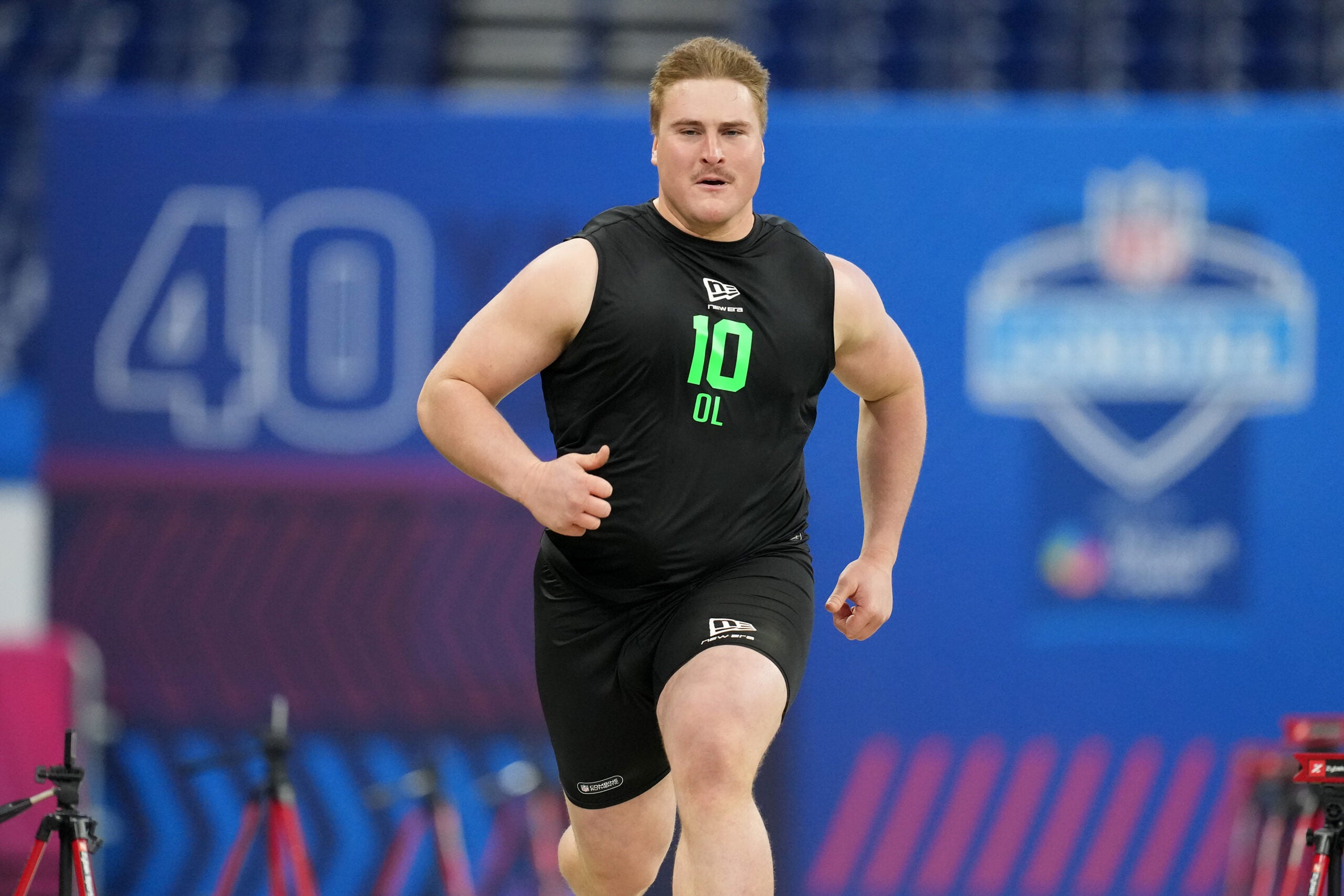
The Green Bay Packers have gone through an assertive draft process, solving need after need without big surprises. Keeping that trend, the Packers selected Kentucky center Jager Burton with the 153rd pick in the draft, a fifth-round selection acquired in the Dontayvion Wicks’ trade.
The Packers had a huge need along the interior of the offensive line in terms of depth. The team extended center Sean Rhyan, but it’s a one-year contract in guarantees with two extra team options — with Burton in the mix, the team gains flexibility to move Rhyan to guard in the future, or to move on from him altogether.
“He’s really, truly versatile,” said Packers director of college scouting Matt Malaspina. “He played well at guard, he played well at center. It wasn’t that hard to figure out.”
Jager Burton’s Key Facts and Stats Ahead of the 2026 NFL Draft
- 1,097 snaps at left guard
- 976 snaps at center
- 477 snaps at right guard
- 12 pressures allowed in 2025
- 98.6% pass-block efficiency
- Moved to starting center in 2025
Jager Burton’s scouting profile
This is what The Athletic’s Dane Brugler wrote about him:
“A four-year starter at Kentucky, Burton lined up at center (right-handed snapper) in his final season in former offensive coordinator Bush Hamdan’s scheme. He bounced between positions as an underclassman, including center in 2023 — a short-lived stay because of his struggles there. After reps at both guard spots, he moved back to center for his senior season and changed the narrative with NFL scouts.
“Burton is a good-looking athlete for his size, with foot quickness as a pass blocker and range in the run game. However, he isn’t a true mauler who plays up to his size or knocks defenders back on contact. The biggest wild card for his NFL transition is the consistency of his confidence and calls/adjustments.” — Dane Brugler
Positional reasoning
The Packers have an established projected starting-five with Jordan Morgan, Aaron Banks, Sean Rhyan, Anthony Belton, and Zach Tom. But the only reliable backup on the roster was Darian Kinnard, so depth was a major need. More than that, Morgan and Belton are not necessarily long-term locks, Banks is an expensive free agent whose continuity in Green Bay depends on how he plays, and Rhyan signed a one-year-and-let’s-see type of contract to return. With so many uncertainties, it made total sense for the Packers to take an offensive lineman in the draft and create more competition.
“I feel really good about our whole group and the competition in that room,” general manager Brian Gutekunst said before the draft. “We’re always going to look to add to the offensive line. There are only so many big guys in the world that can play at a high level. But I feel good about it.”
Ultimately, even though the Packers have some talent in the room, this is a position group where things change fast, injuries happen, and Green Bay needed an improvement over what the group produced in 2025.
Grade: B-

