
Bengals Cap Space Update: Dexter Lawrence trade puts Cincinnati in unusual spot, but recent pay cut grants added flexibility
The Cincinnati Bengals have significantly less salary cap space than they had before trading for Dexter Lawrence, but a pay cut for Cody Ford grants a bit more room at the onset of the 2026 NFL Draft.


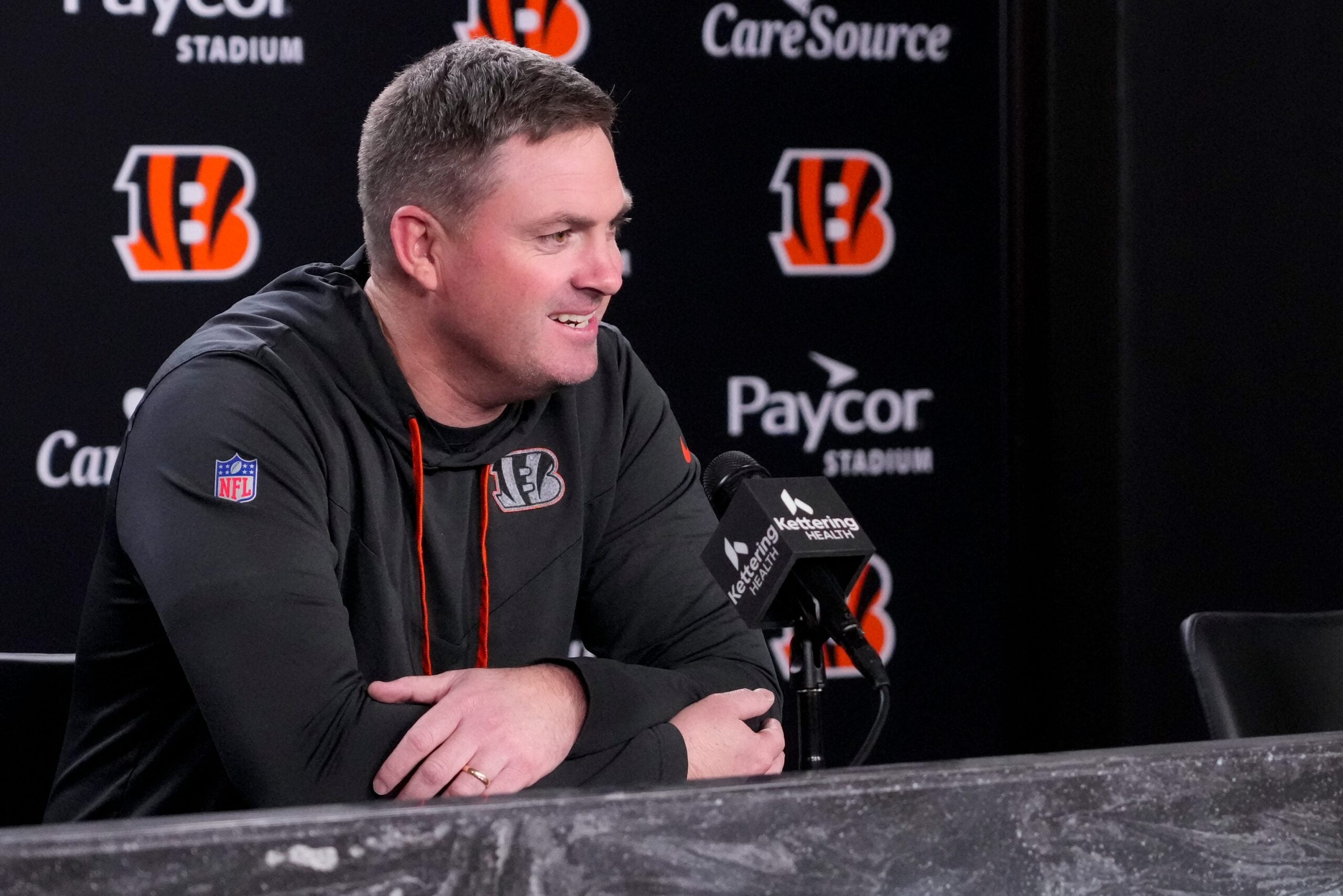
The Cincinnati Bengals trading for Dexter Lawrence has put them in a spot they rarely find themselves at around this time of year: Tight on salary cap space.
Cincinnati typically enters the NFL Draft with at least $15 million in offseason cap space, leaving plenty of wiggle room to sign the ensuing draft picks, undrafted free agents, and have millions left over for any additional moves to be made closer to the season.
That’s not the case as the 2026 draft is about to begin, but the Bengals still have room to make the rest of this week work in their favor.
Bengals’ remaining cap space
OverTheCap.com has Cincinnati’s cap space at $7,497,125, ranking 28th in the league.
Uncharted territory at this part of the calendar.
Lawrence’s cap hit for the 2026 season is set to be $15,333,333, the sixth-highest on the roster. It was only offset by $1,075,000 thanks to the offseason accounting rules in which only the top 51 cap hits count against the cap. Lawrence’s deal specifically bumped a minimum contract worth the aforementioned $1.075 million.
The top-51 rule is precisely how the Bengals can afford to sign seven draft picks and a normal-sized UDFA class.
Cap space for draft picks
If Cincinnati does not make any trades during the draft, then its seven picks will only cost them an estimated $2,299,459 in cap space. The seven picks combined would make a 2026 cap figure of $8,494,459, but $6,195,000 would be offset as minimum salaries would be pushed out of the top-51.
Signing all seven draft picks would move the Bengals down to $5,197,666 in space. UDFAs would bump it down ever so slightly as those 2026 cap hits would be hardly larger than minimum deals already on the team.
Recent pay cut created more space
Cincinnati also created a bit more space before the draft began. Backup offensive lineman Cody Ford’s 2026 salary dropped from $2.9 million to $1.3 million, saving the Bengals $1.6 million in space.
Pay cuts are far from new with this front office. Zack Moss, Geno Stone, and Cordell Volson all took pay cuts last offseason. Moss was eventually released at the start of training camp. Stone and Volson each left for different clubs in free agency last month.
All three of them were entering the last years of their contracts. Ford is also entering a contract year.
Trading for Lawrence was a big-time move, but not one so large that the Bengals have to make any drastic adjustments with their cap sheet. They’ll operate like business as usual during and following the draft.

