
Post draft intel confirms suspicion about Giants’ second-round outcome as tough break narrative starts to fall apart
The New York Giants selected cornerback Colton Hood in the second round, and that was their plan for the second round all along.

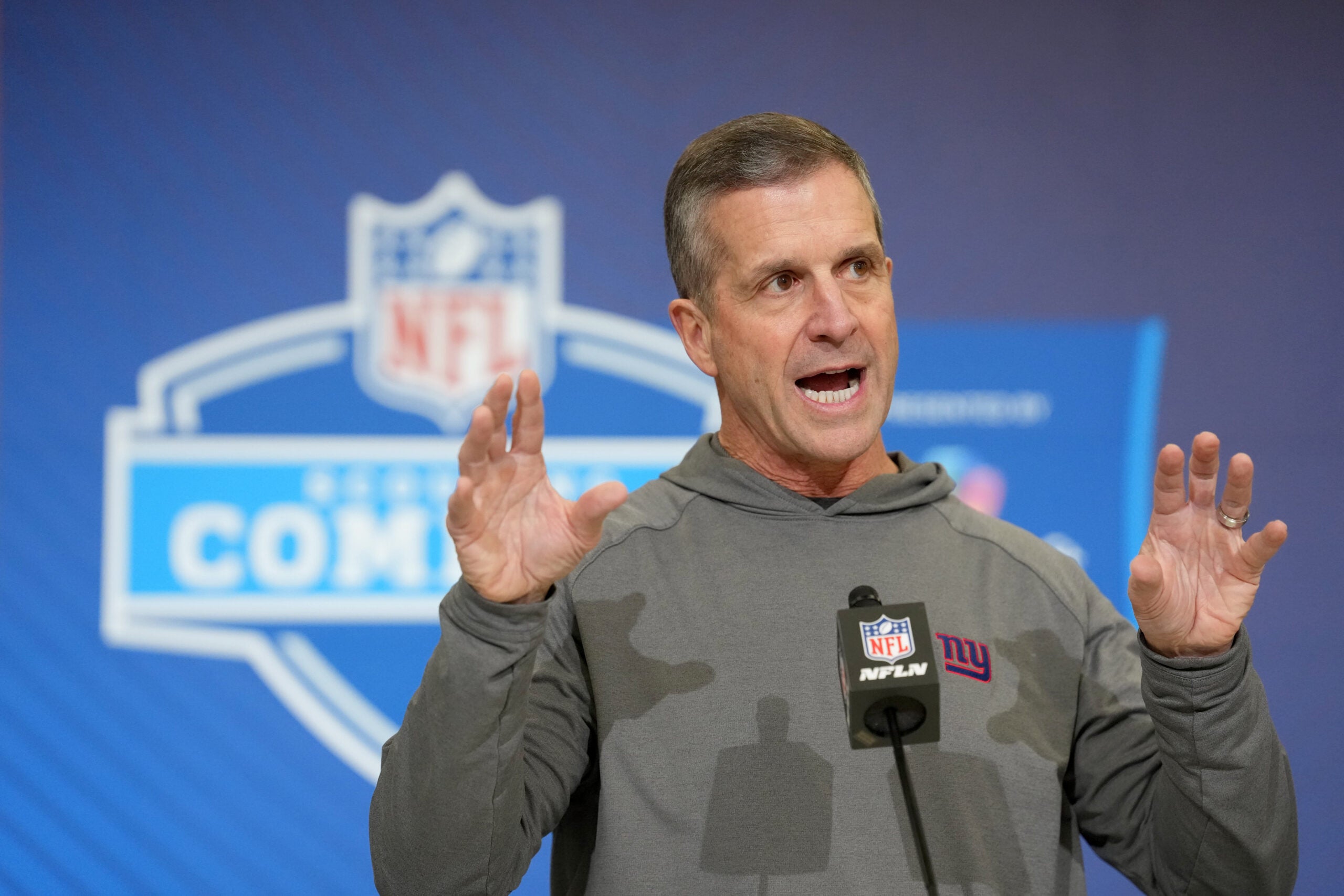
When the Houston Texans traded up from pick No. 38 to 36 just to leap the New York Giants, the initial reaction was that general manager Joe Schoen and head coach John Harbaugh had lost their guy. The Giants had a need at defensive tackle, and the Texans selected Kayden McDonald.
However, that’s not how things unfolded for the Giants — as expected. Internally, the plan already was to take cornerback Colton Hood early in the second round.
“No, Hood was our guy,” a team source told ESPN insider Jeremy Fowler for his post-draft intel article.
Positional approach
It’s harder to find solid cornerbacks in the market — even though the Giants have tried over the past two years, adding Paulson Adebo and Greg Newsome in free agency. Because of that, taking a flyer on Hood and addressing the interior of the defensive line need later made sense.
The Giants traded Dexter Lawrence ahead of the draft for the tenth overall pick to the Cincinnati Bengals. But since the draft, New York has signed Shelby Harris and Leki Fotu to fill the need along the defensive line. Schoen also selected Auburn defensive tackle Bobby Jamison-Travis in the sixth round. It’s still possible that the Giants also sign nose tackle DJ Reader, who visited New York a couple of weeks ago.
It may not be the most talented group on the roster, but the Giants are likely adding enough viable talent to operate, while investing in other premium positions — especially edge defender and cornerback.
Of the Giants’ seven draft picks this year, four were defensive players — beyond Hood and Jamison-Travis, the Giants also drafted linebackers Arvell Reese and Jack Kelly.
This was the first draft class with Joe Schoen and John Harbaugh working together. In terms of process, the partnership gave positive first steps. Now, it’s a matter of waiting to see if the returns on the field will follow — and which positions will demand a different approach in the future.
