
Packers already sent several important messages during the offseason, and the signals are hard to ignore
Green Bay made significant changes to the roster this year, and it’s a version the front office is confident about.


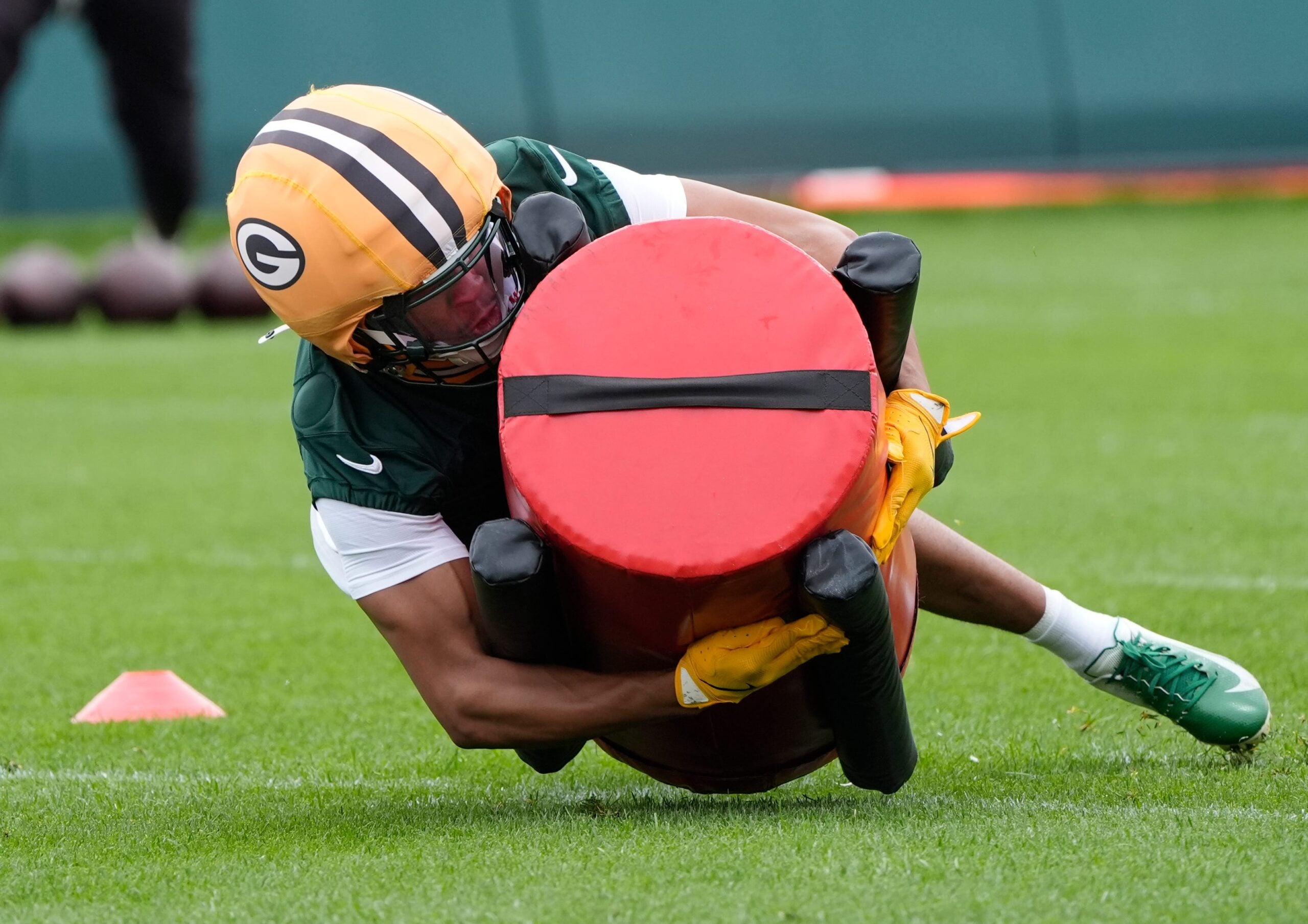
When a team shows you something, believe it. It’s not just words, after all. This offseason, the Green Bay Packers have gone through a significant roster update, so to speak. The front office made some tough decisions, moved on from impactful players from the past and added several new pieces to the group.
We’re in the middle of the offseason program. So, before training camp begins, let’s discuss what the Packers have told us about what they truly think of the state of the roster.
Overhaul in the CB room
The Packers admitted the cornerback situation from a year ago was unsustainable. So they released Nate Hobbs, acknowledging a mistake from last offseason, but also added multiple pieces. First, they signed Benjamin St-Juste in free agency. It’s a cheaper investment than Hobbs was, but he comes with the idea of adding depth and competing for playing time. Then, the Packers drafted two players at the position. Brandon Cisse arrived in the second round, the team’s first pick in the draft, then Domani Jackson was selected in the sixth.
Maybe the Packers will still take some time to figure their CB room out. Cisse and Jackson in particular are raw, developmental players. But at least the front office has a long-term view in place.
Defense needed an influx of talent
Yes, we’ve already talked about the CB room above. But that wasn’t the only area of the defense to receive reinforcements. The Packers lost defensive coordinator Jeff Hafley, replaced him with Jonathan Gannon, but the most important message is that they acknowledged the unit needed more pieces.
In the draft, four of the team’s six picks are defensive players (Brandon Cisse, Chris McClellan, Dani Dennis-Sutton, and Domani Jackson). In free agency, the two most expensive additions were also for the defensive side (Javon Hargrave and Benjamin St-Juste). They even traded for a defender when acquiring veteran off-ball linebacker Zaire Franklin (even though they sent defensive tackle Colby Wooden in the deal).
If you compare those investments to what they did on offense (Skyy Moore and Tyrod Taylor in free agency, Jager Burton in the draft), it’s a massive difference. And an obvious indication of what the front office wanted to prioritize.
They want their top WRs to shine
The Packers allowed Romeo Doubs to hit free agency and sign with the New England Patriots. They traded Dontayvion Wicks away to the Philadelphia Eagles. The additions to the room were Skyy Moore, signed essentially because of his abilities as a returner, and developmental players like Brenden Rice and undrafted rookie J. Michael Sturdivant.
Losing depth is a side effect, but the main idea is to give their most talented players more snaps and targets. The Packers want to see Christian Watson, Jayden Reed, and Matthew Golden more, they want to see them produce more, and the days of insane rotations and hyper-specific gameplans with multiple wide receivers may be in the past.
