
Packers acknowledge one growing concern that refuses to go away, but the franchise already has a plan to stay competitive
Packers CEO/president Ed Policy admits growing financial concern as the publicly owned franchise faces unique revenue challenges.


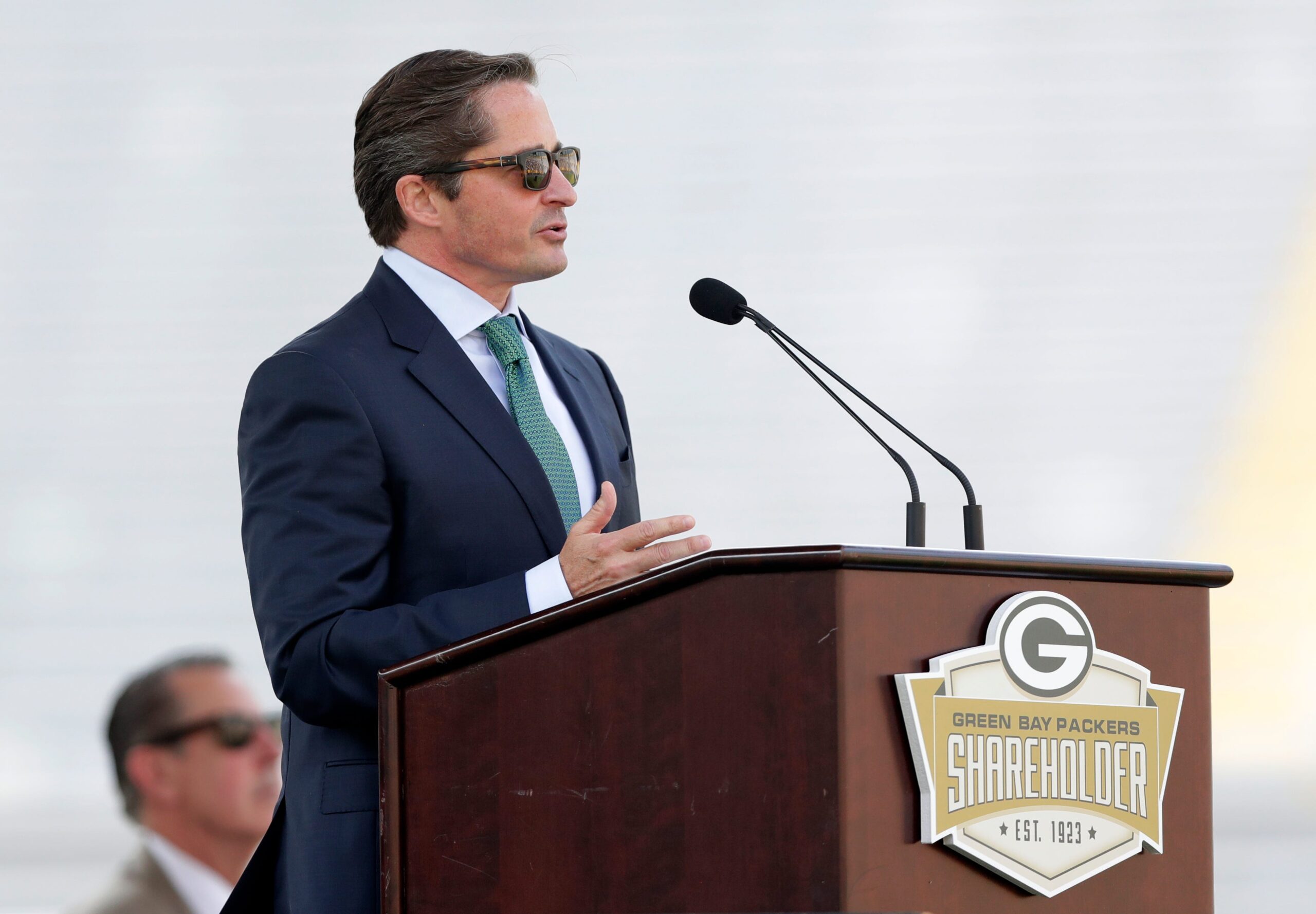
The Green Bay Packers reported their first operating loss in a non-pandemic year since the 1990 fiscal year, and CEO/President Ed Policy acknowledged the franchise must find new ways to generate revenue to keep pace with the rest of the NFL. Because the Packers are the only publicly owned team in the league, they cannot sell equity stakes or tap into private investment funds the way other franchises can. That financial reality is creating long-term concerns for Green Bay, even as the team’s overall net income rose 54.8% in the latest fiscal year.
Policy spoke to Green Bay media on Friday after the Packers released their annual financial report, a requirement of their public ownership structure. The report revealed the Packers received $453.2 million in national revenue from the NFL last season, meaning the league distributed roughly $14.5 billion across all 32 teams.
Operating loss raises red flags
In terms of operating costs, the Packers reported $753 million in revenues but $754.1 million in expenses. Revenues increased 4.7%, but expenses jumped 18.7%. The resulting $1.1 million operating loss marked the first time Green Bay posted a loss outside of a pandemic year since 1990.
The team’s overall financial picture looked healthier, though, because of gains outside football operations. Green Bay reported $132.5 million in net income for the fiscal year. That figure included $133.6 million in non-operating income from net investment gains (both local and national) and the NFL’s sale of NFL Network to ESPN.
The higher operational costs stemmed from a combination of player acquisition expenses and roster departures, creating what Policy described as an uncommon situation for the franchise.
Policy sounds the alarm on long-term competitiveness
Ed Policy was direct about the need for the Packers to find additional revenue streams. He pointed to the financial advantages other ownership structures provide.
“We’re going to have to be more aggressive with revenue generation going forward,” Policy said. “We all know the cost of competing in the NFL is going up, and the other teams have access to capital sources that we just don’t have.”
He elaborated on how other franchises can use their ownership stakes in ways the Packers simply cannot.
“For example, a team can sell 5 to 10% of their equity without giving up any controlling interest in the team, and they could raise more money than we have in our capital reserve fund in just a matter of months,” Policy added.
Confidence in the short and medium term
Despite the financial gap between Green Bay and privately owned franchises, Policy expressed confidence in the Packers’ current position while stressing the importance of monitoring long-term trends.
“I feel very good about the Packers’ financial strength and condition in the medium term and the short term, certainly,” Policy explained. “But we are keeping a very close eye on some of these long-term trends, looking at how they impact us and our financial health in the long term. We do have to make sure that we’re always in a position where we can continue to invest wisely in whatever it takes to field a championship-caliber team, whether that’s player costs, football staff, or facilities.”
Policy also emphasized the importance of maintaining Lambeau Field as both a revenue driver and a cultural landmark.
“It’s critical to have a long-term plan in conjunction with the city, county, state, and stadium district board to keep Lambeau Field both iconic and state-of-the-art,” Policy said.
Football operations remain fully funded
The financial report and Policy’s comments paint a picture of a franchise caught between two realities. On one hand, the Packers remain financially stable and profitable when accounting for non-operating income. On the other, the operating loss signals that the cost of competing is outpacing revenue growth at a rate that demands attention.
Policy made clear the current situation has not affected the football side.
“The NFL is more competitive and more expensive than ever,” Policy pointed out. “We want to ensure our football leadership has every tool in the toolbox to build a competitive roster, and we do.”
That assurance matters for a franchise entering a critical stretch with quarterback Jordan Love, edge defender Micah Parsons, and a young core. The Packers’ public ownership model remains a point of pride, but Policy’s candid acknowledgment of its financial limitations suggests the leadership structure is already working to close the gap before it becomes a competitive disadvantage on the field.
