
The hidden cost behind the Philadelphia Eagles’ Cam Jurgens trade is just as important as the obvious return
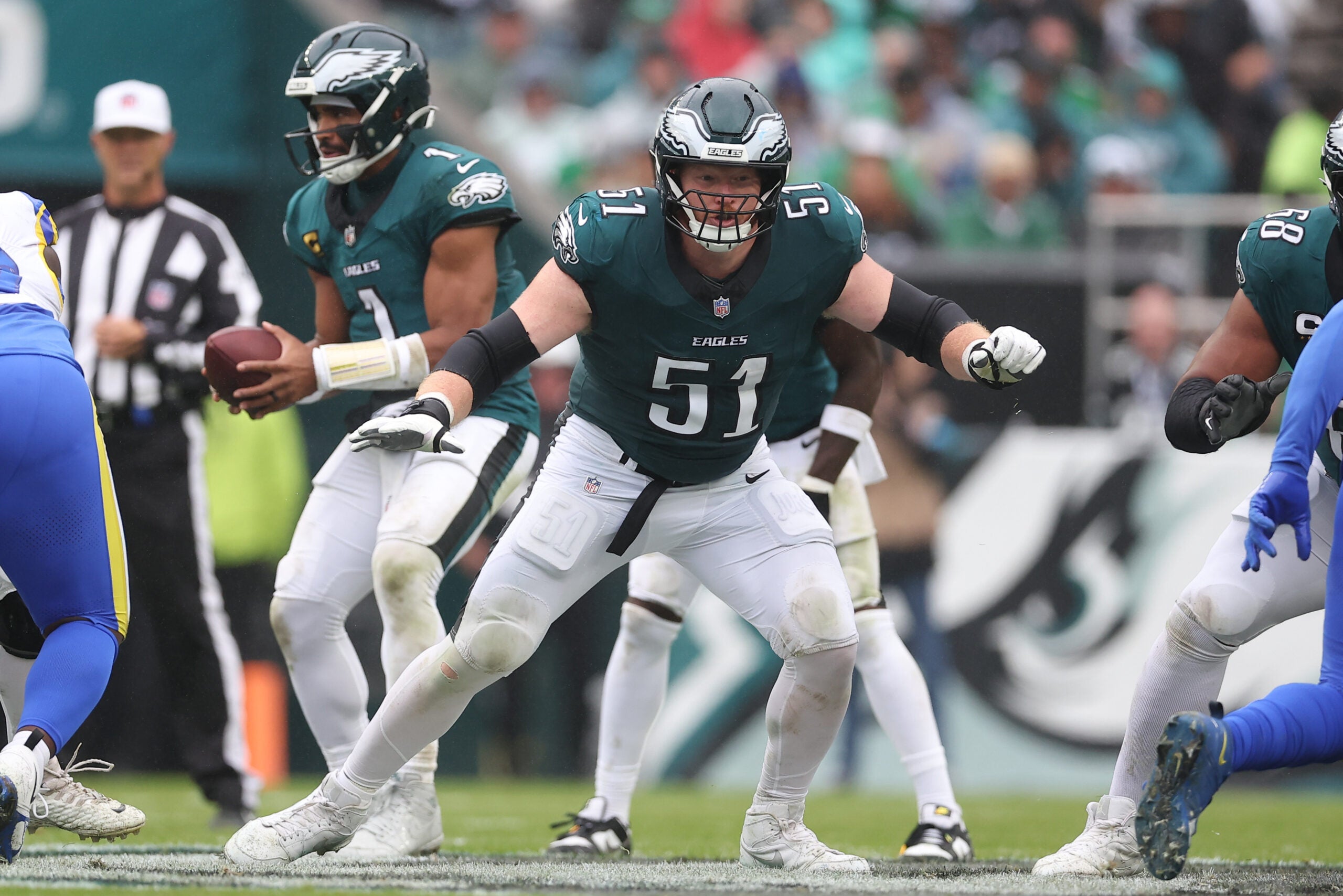
Cam Jurgens has been traded to the Baltimore Ravens. As the Philadelphia Eagles watch their offensive line change by the day, it’s worth acknowledging the hidden cost behind the trade.


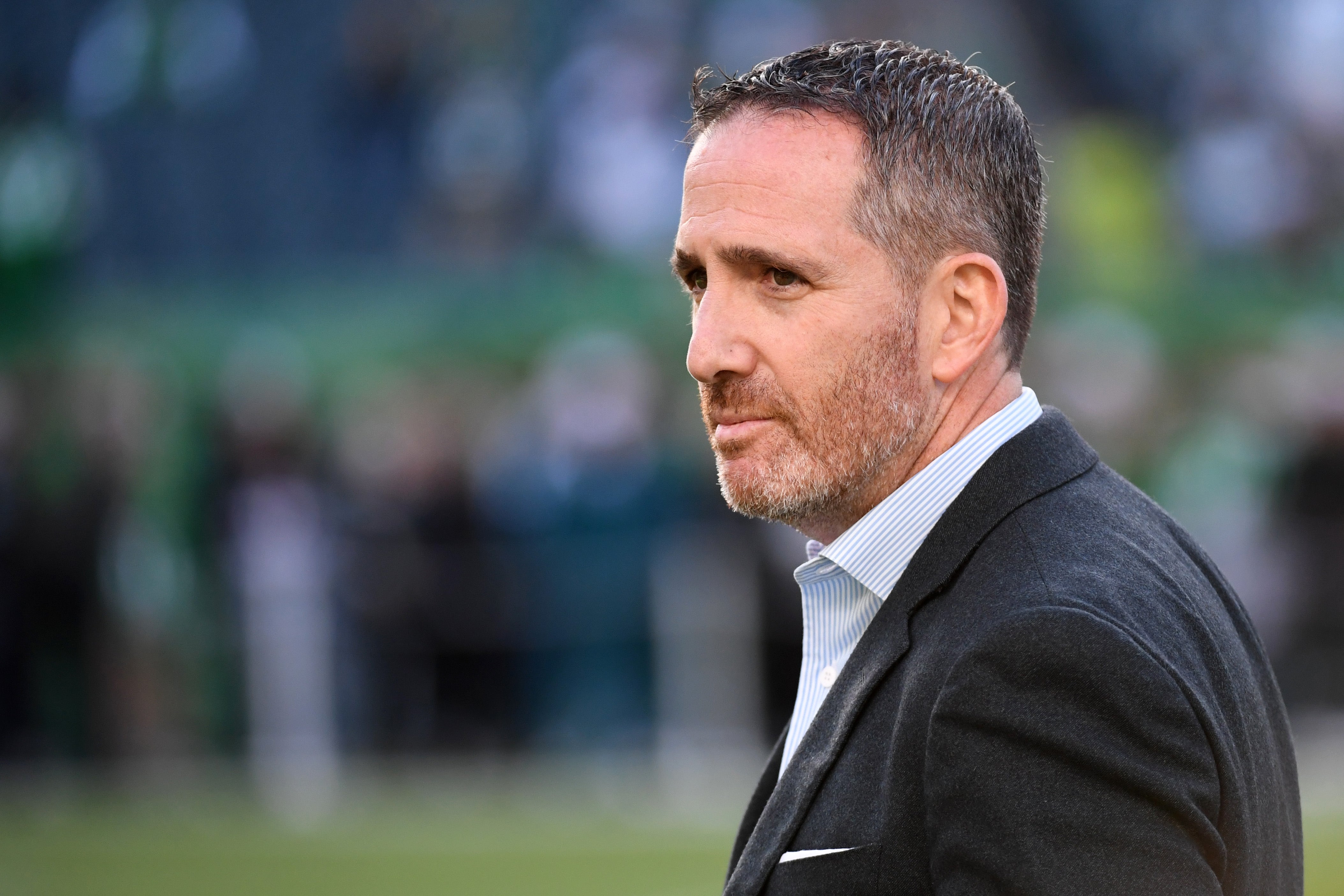
The Philadelphia Eagles saw their offensive line dramatically shaken up this week with the abrupt retirement of future Hall of Fame tackle Lane Johnson. Howie Roseman just shook it up some more.
The Eagles sent center Cam Jurgens to the Baltimore Ravens in a major trade. Roseman netted the Eagles a 2027 fifth-round pick and a 2028 second-round pick in the process. There’s plenty of focus on the picks, and rightfully so. But let’s not overlook the other cost of this deal, either. Because it is arguably just as important.
The Philadelphia Eagles’ salary cap books are going to take a major shift amid the Cam Jurgens trade
As Michael Ginnitti of Spotrac outlines, the Eagles are facing a dead cap cap charge in 2027 that is $6.1 million higher than what it was originally on the books for next season. There’s no rebate on the bonus Jurgens received as the lump sum of his 2026 compensation, either — although the Ravens being able to pay him next to nothing for the rest of the year surely helped fuel getting a 2028 second-round pick back in the deal.
But let’s take this a step further. Jurgens had option bonuses of $14.49 million in 2027, $15.445 million in 2028, and $14.315 million in 2029. Those will all be coming off of the books and, promptly, handed to the Ravens. Cutting that cash flow off also allows the rolling salary cap debt to be taken in one shot.
So yes, Jurgens’ dead cap charge in 2027 will be $15.3M, more than $6 million more than what it was originally scheduled to be. But Philly will now save $11.7 million in 2028 cap. And $15.7 million in 2029 cap. And forgo north of $20 million in void year money in 2030, too.
This is what it looks like to take your cap medicine in the NFL. And if you’re going to ship out players to start a roster transition, do it with players you can collect top-64 picks from to help build the future. So consider this short-term pain for long-term gain for the Philadelphia Eagles. It’s a part of this deal. But Howie’s been here before and successfully come out the other side. So embrace it for what it is — and let’s start to wonder who could be next.

Philadelphia Eagles News