
Penn State football’s biggest concerns heading into 2026: Matt Campbell’s transition from Iowa State raises real questions
The Penn State Nittany Lions head into the 2026 CFB season with a ton of intrigue. Just how good will HC Matt Campbell’s squad be?


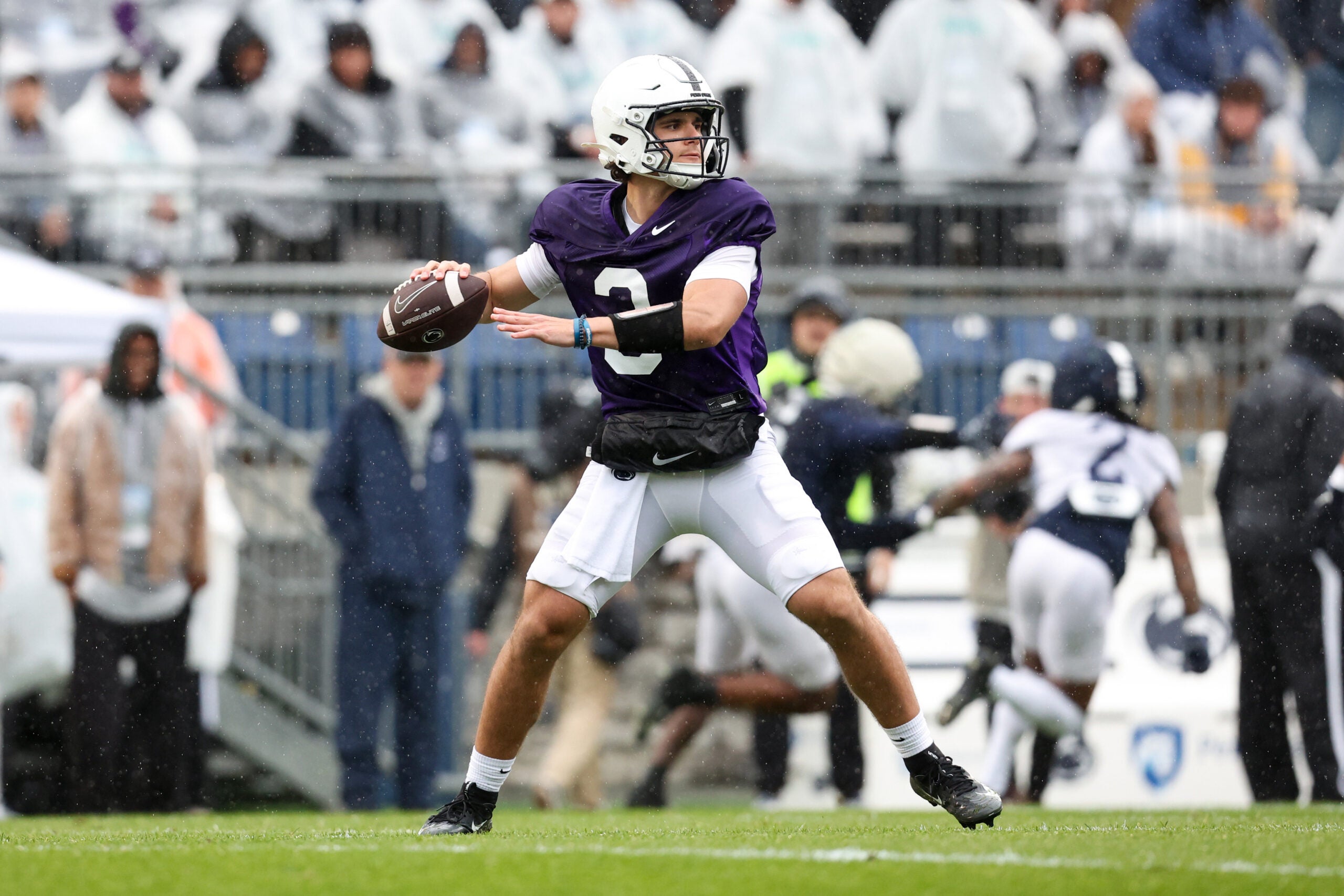
Penn State football enters the 2026 college football season as one of the bigger enigmas in the Big Ten Conference. Head coach Matt Campbell and the Nittany Lions have talent to work with, both from the existing roster in Happy Valley and from the players Campbell brought with him from Iowa State. But just how smooth a transition this will be remains a complete question mark.
There are several concerns that Penn State will need to address early if this team is going to have any semblance of success. From the passing game to the defensive line to the broader philosophical question of transplanting an Iowa State roster into the Big Ten, the Nittany Lions have a lot to prove.
The passing game is the biggest offensive concern
It starts with quarterback Rocco Becht, who was a solid player for Iowa State over multiple seasons. The question is how well his game will translate to the Big Ten. Becht was productive in the Big 12, but asking him to perform at the same level against a different caliber of defense is fair and understandable.
Campbell also brought several former Iowa State pass catchers with him, including Chase Sowell, to try to jumpstart the passing attack. Penn State also has a young player like Koby Howard, who was already on campus. The talent is there on paper, but will this group be able to generate consistent, explosive plays through the air?
The bigger question mark is whether Becht will take care of the football and avoid putting this team in a hole. I have real concerns about how effective this Penn State passing attack will be in Campbell’s first season. The ceiling could be fine, but the floor is worrisome.
Defensive line turnover creates a real vulnerability
On the other side of the ball, Penn State said goodbye to several talented defensive linemen from the previous group. That included Dani Dennis-Sutton, Zane Durant, and Chaz Coleman, who transferred to Tennessee this offseason. Those are significant losses up front.
The interior defensive line is now almost entirely made up of transfer portal additions. Nobody knows for certain whether this group will be able to generate consistent pressure and create negatives behind the line of scrimmage. Until we see it on the field, there is reason to question whether this defensive front can hold up against the better offensive lines in the Big Ten.
The Iowa State-to-Big Ten transition is the elephant in the room
The last major concern is the broader philosophical one. Iowa State was a good team in the Big 12, but there was a clear intention from Campbell to raise the floor of this roster by bringing a large number of former Cyclones to Happy Valley. That ideology has worked for some coaches in the past. Curt Cignetti had success with the Indiana Hoosiers after coming over from James Madison, for example.
Still, there has to be a real question about how well that approach translates from the Big 12 to the Big Ten. The talent gap between a good Iowa State team and a Big Ten contender is meaningful. Campbell is banking on his culture and system to bridge that gap, but it remains to be seen whether that will be enough.
The good news for Penn State is that the schedule is manageable. The Nittany Lions don’t have the hardest slate in the Big Ten next season, so they could conceivably reach nine or 10 wins. But whether this team is a legitimate threat to make a run in the conference is a different conversation entirely.
With so many question marks surrounding both the roster transition and the overall talent at various spots, it is hard to believe that Penn State will be a serious contender in 2026. Campbell has proven he can build something over time, and the long-term outlook may be brighter.
For now, though, the season itself will have to provide the answers.
