
Final 2026 NFL Draft Wide Receiver Rankings: The annual tradition of Day 2 starts is in good hands once again this year
Kyle Crabbs’ final 2026 NFL Draft wide receiver rankings dives into more than a dozen of the top wide receiver prospects and ranks nearly 50 pass catchers eligible for this year’s event.


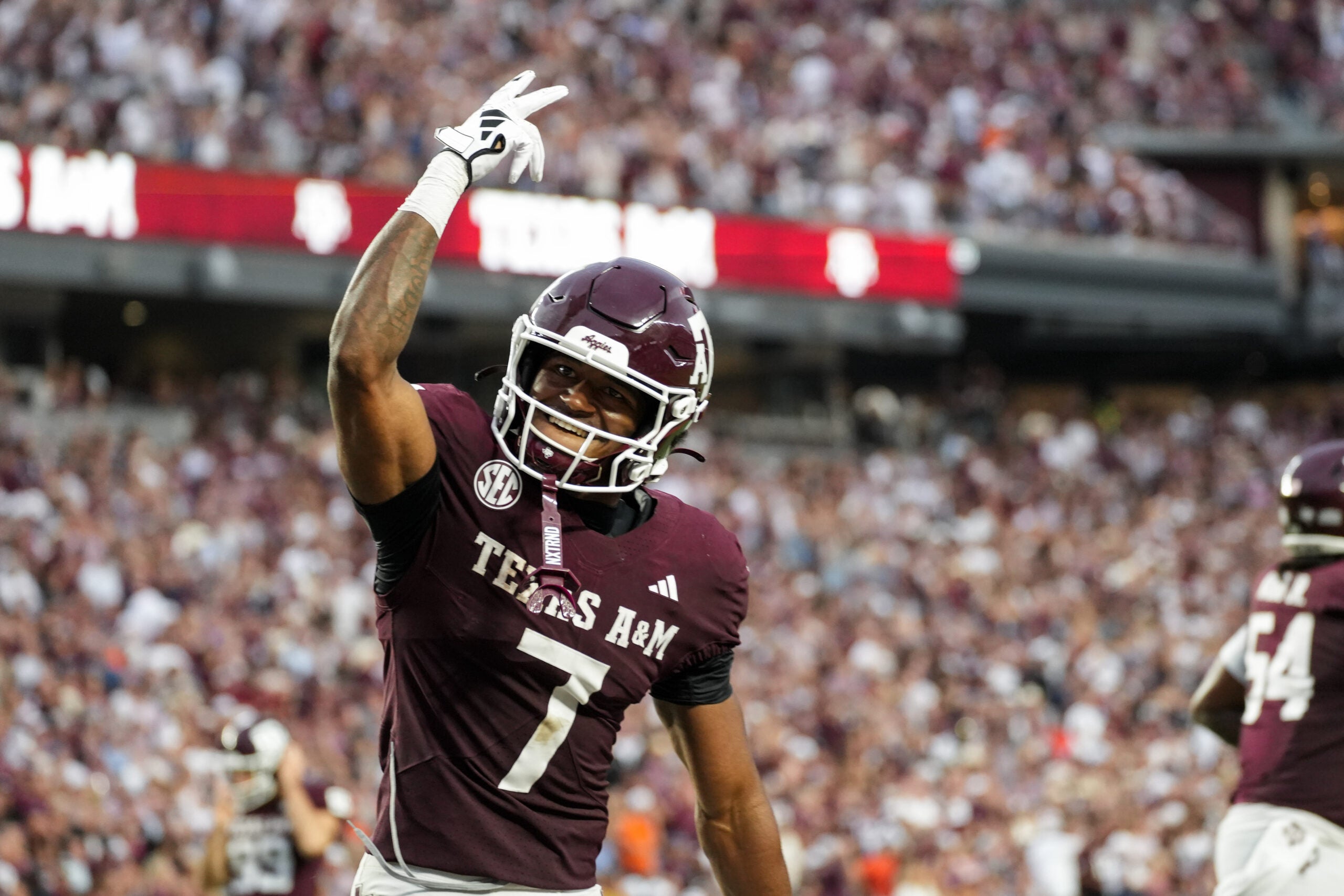
The NFL Draft has several annual traditions. One is the yearly influx of wide receivers into the league — many of which become prominent starters despite not being drafted at the top of the draft. This week’s 2026 NFL Draft is going to be no exception. The 2026 NFL Draft wide receiver rankings will illustrate exactly that: there are starters to be found on Day 2 and beyond once again.
Here are my 2026 NFL Draft wide receiver rankings in full — with 43 total pass catchers ranked from this year’s group.
Kyle Crabbs’ Final 2026 NFL Draft Wide Receiver Rankings
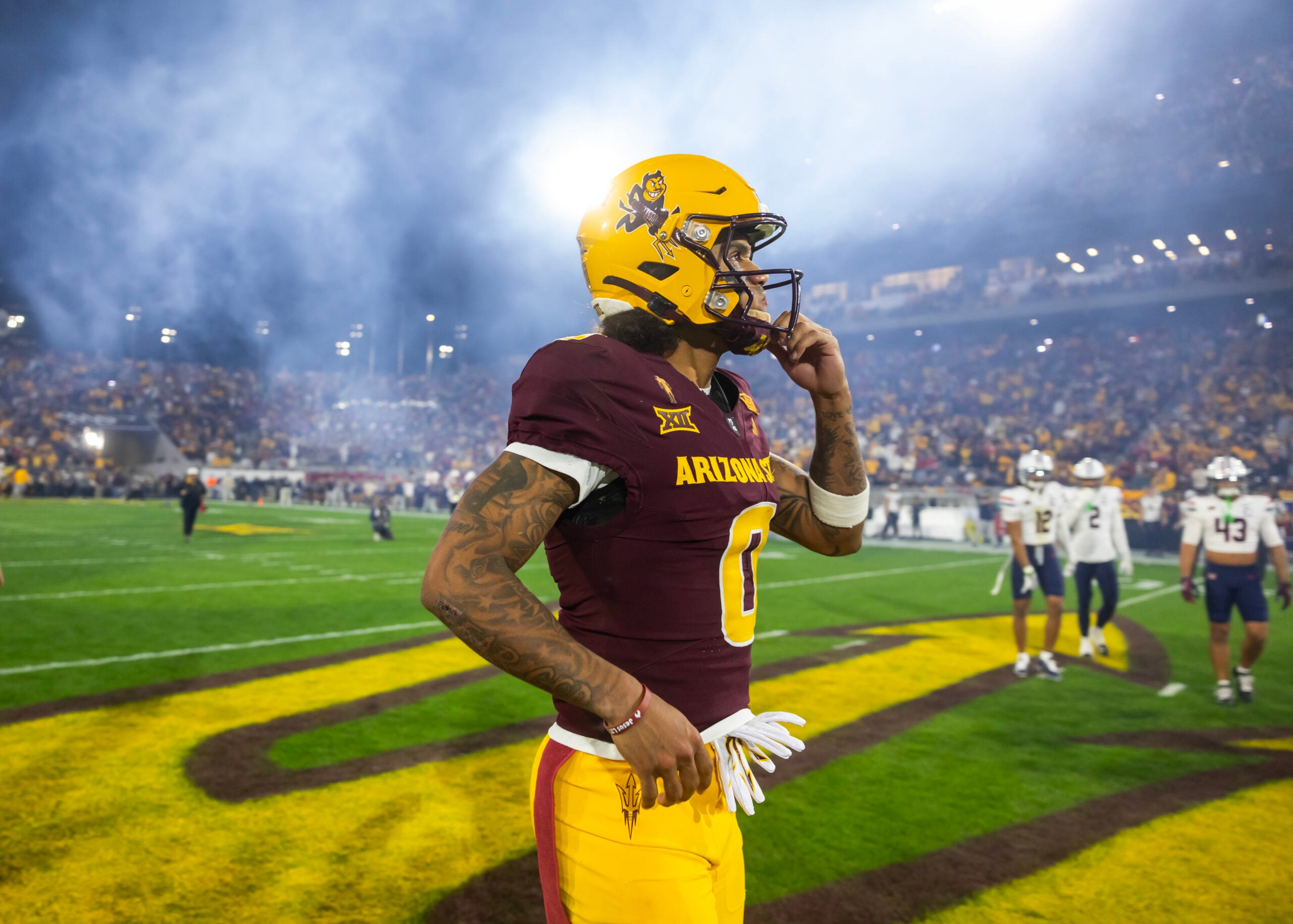
1. Jordyn Tyson, Arizona State Sun Devils: 84.00/100 (First Round Grade)
The 2024 season happened. And it was, in my opinion, the best wide receiver film we’ve seen from a receiver this season. Tyson’s got an immaculate blend of body control, after-catch ability, route running, and big-play ability. I understand the concerns about his durability — and if he doesn’t go as early, this will likely be the big reason why. A collarbone, major knee injury, and long-term hamstring issue combined offers enough concern to fade him versus similarly graded receiving options. But I believe he’s the most talented.
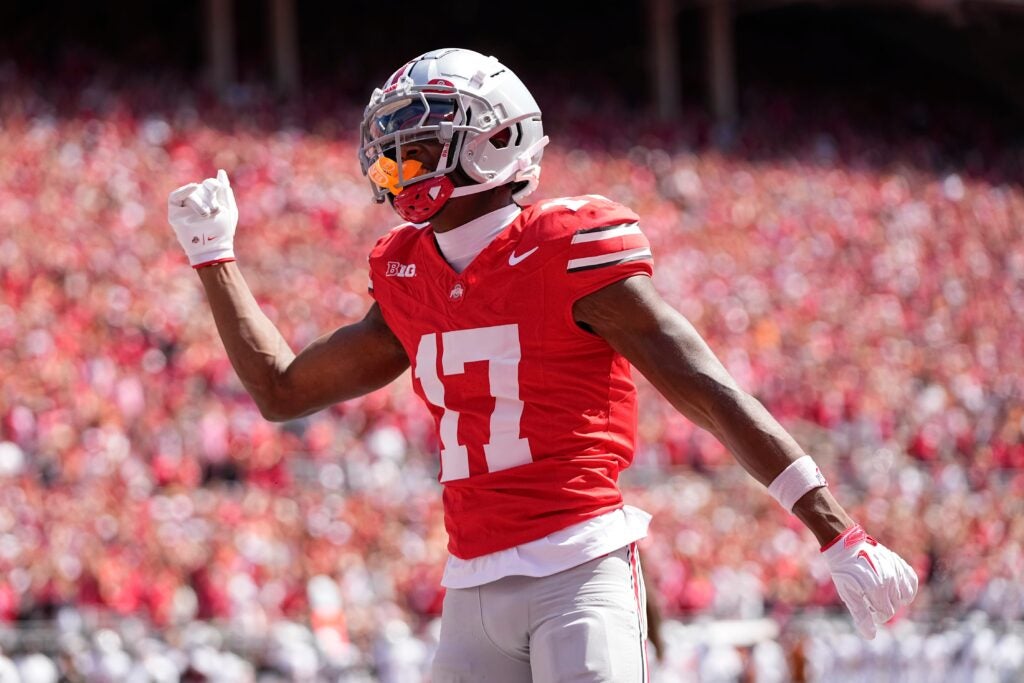
2. Carnell Tate, Ohio State Buckeyes: 83.50/100 (First Round Grade)
Tate was excellent for the Buckeyes this past season. He excels down the field and above the rim — I believe he could eventually thrive as an X-receiver in isolation to play with physicality and route running. Tate, from the jump, feels best served as a vertical plane target who can help create coverage stress and explosive plays.
Late First Round Grades
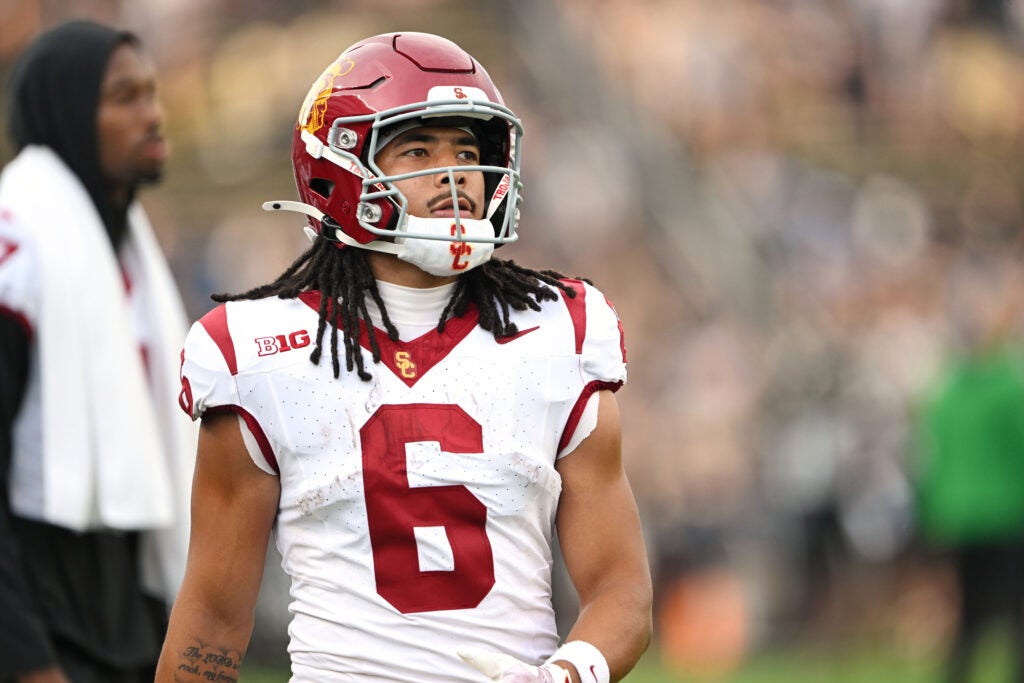
3. Makai Lemon, USC Trojans: 82.50/100 (Late First Round Grade)
Lemon’s production is undeniable. He’s a tough, intelligent receiver with good ball skills despite a smaller catch radius and sub 9″ hands. Lemon has got “enough” in most of the required traits: enough speed, enough mass, enough agility. He’s best served in the slot but offenses that use a lot of motion can get him a lot of action as a Z receiver and layer his routes to the passing strength. Lemon punches above his weight class as a blocker and a ball carrier, too.
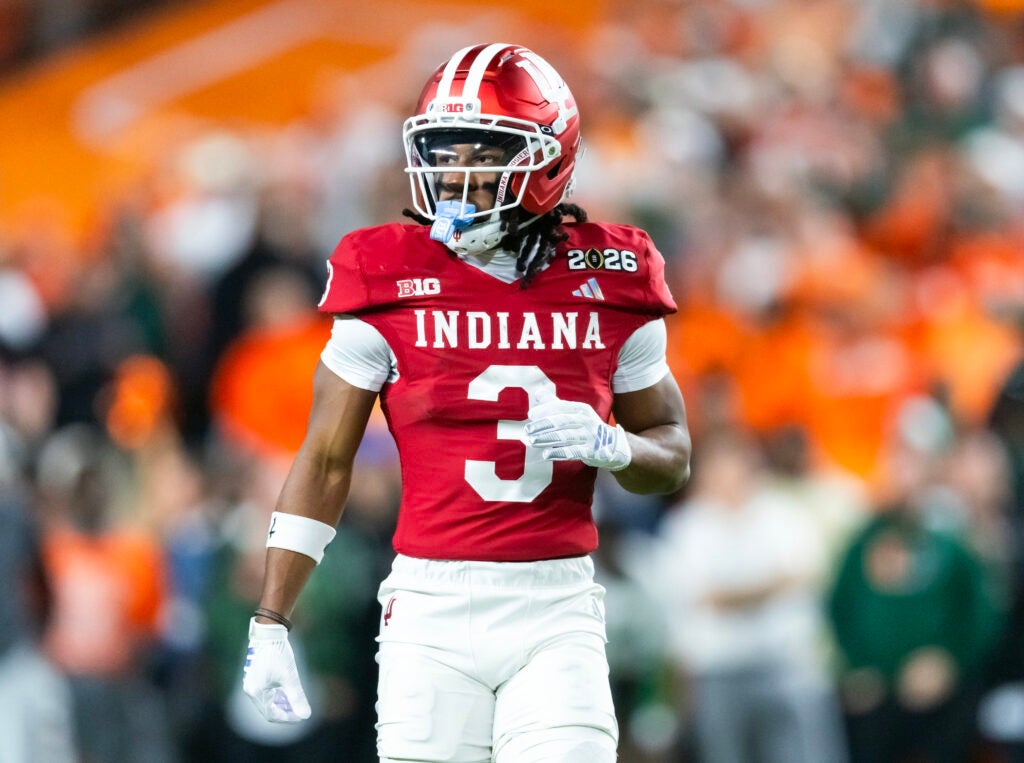
4. Omar Cooper Jr., Indiana Hoosiers: 82.00/100 (Late First Round Grade)
Cooper Jr. has become a productive standout for the Hoosiers over the last two seasons. I don’t believe he’s a system product, though. He’s big (6-foot, 200 pounds), fast (4.42s 40 time), and slippery after the catch. He plays like a bully with the ball in his hands — I suspect that will continue in the NFL. His perimeter receiver play is a bit more of a projection than his work inside in the slot. But Cooper Jr. has the profile of someone who can get there. Start him in the slot and build his game out from there.
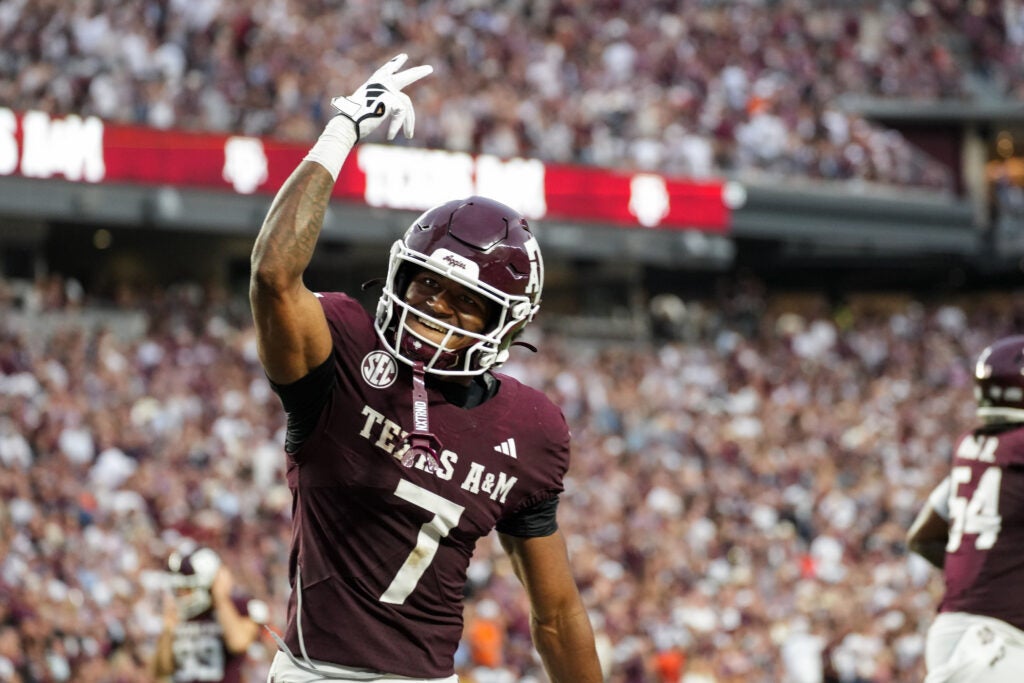
5. KC Concepcion, Texas A&M Aggies: 81.50/100 (Late First Round Grade)
Concepcion is lightning in a bottle. He’s got a prolific special teams profile as a returner and was the recipient of schemed touches at both NC State and Texas A&M. Concepcion needs to grow with his receiving work in the middle of the field to become more of a complete receiver but I see someone who can be a bucket-getter against man coverage on the perimeter. He’s a unique blend of traits but if you told me that Concepcion was among the most productive receivers from this class, I’d believe it.
Second Round Grades
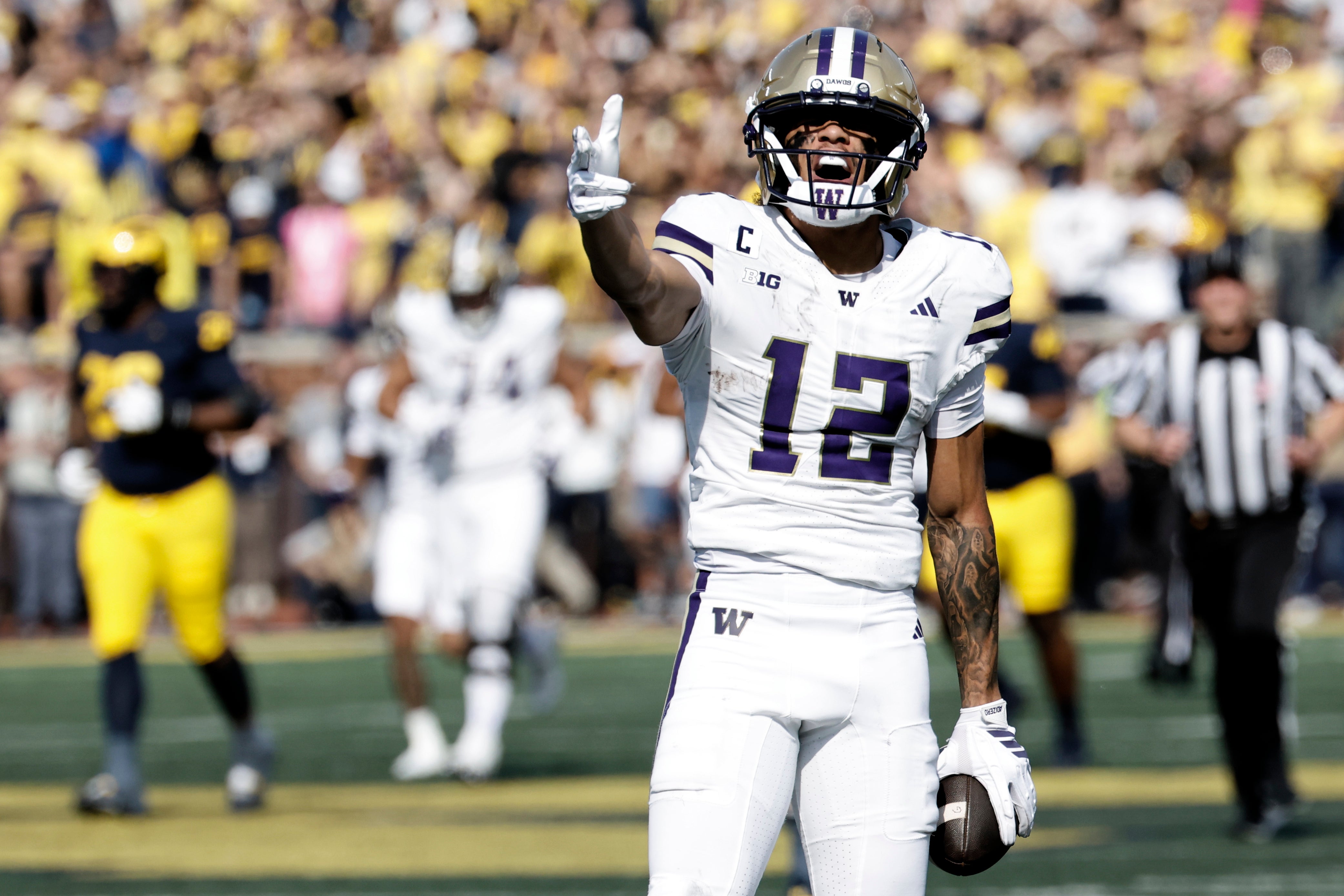
6. Denzel Boston, Washington Huskies: 79.00/100 (Second Round Grade)
Boston is a power receiver with great physicality both at the catch point and in the contact window. He’s aggressive at the catch point, although he doesn’t necessarily have the kind of bounce and elevation skills to transcend above the rim on high-point opportunities. The potential limit here will be how he develops amid a lack of dynamic explosiveness. He’s smooth, fluid, and offers a large catch radius for his quarterback — so I believe there’s a floor of production awaiting Boston in the NFL.
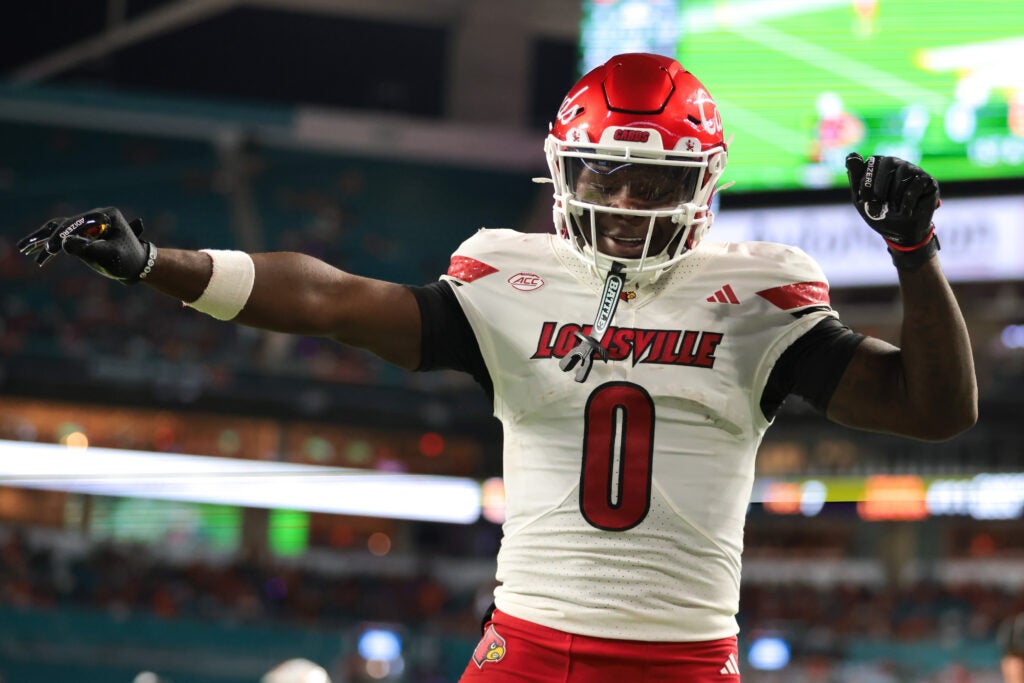
7. Chris Bell, Louisville Cardinals: 77.50/100 (Second Round Value)
I’m not sure Bell would rank any higher for me if he avoided a season-ending knee injury in 2025. He’s not the most developed route runner. But he is a freight train with the ball in his hands and has some jaw-dropping acceleration for a 222 pound wide receiver. Bell feels like a great flier for a team with a developmental window, where he can get fully healthy without the pressure of needing to play early before expanding his route tree.
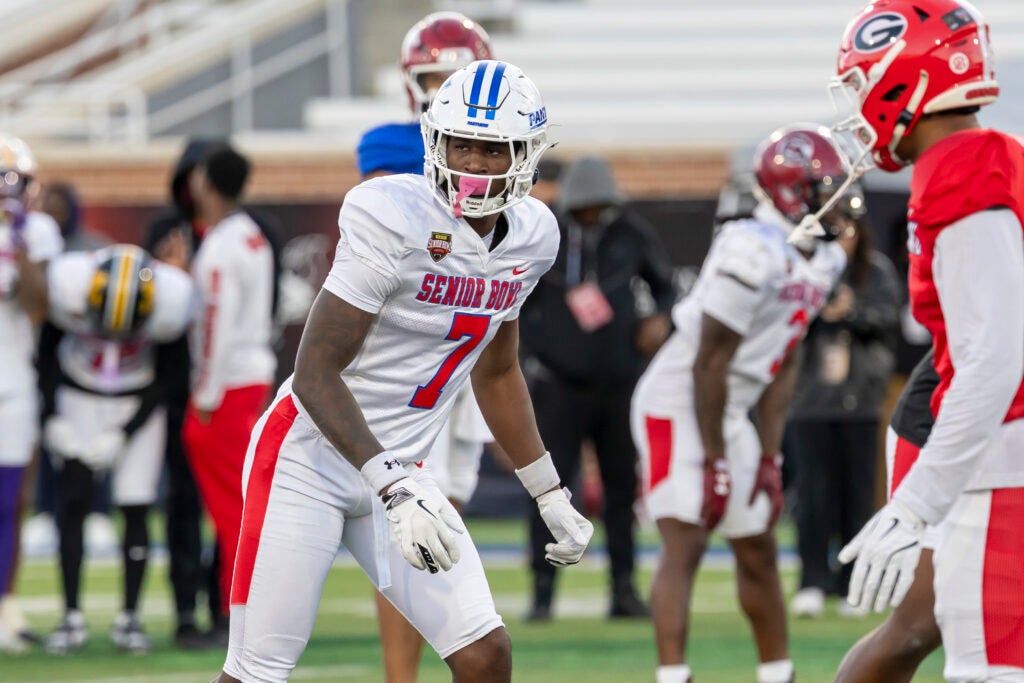
8. Ted Hurst, Georgia State Panthers: 77.00/100 (Second Round Value)
Hurst is one of the draft community darlings. Count me in. He’s got good run-after-catch abilities with plus side and a long frame. I am impressed with his ability to attack the football in the air as well; he boasts a 61% contested catch rate on 54 opportunities over the last two seasons. Drops are a bit of a pain point and he’s got room to fill out his frame to become more of a power presence. But I think he’s an eventual NFL starter.
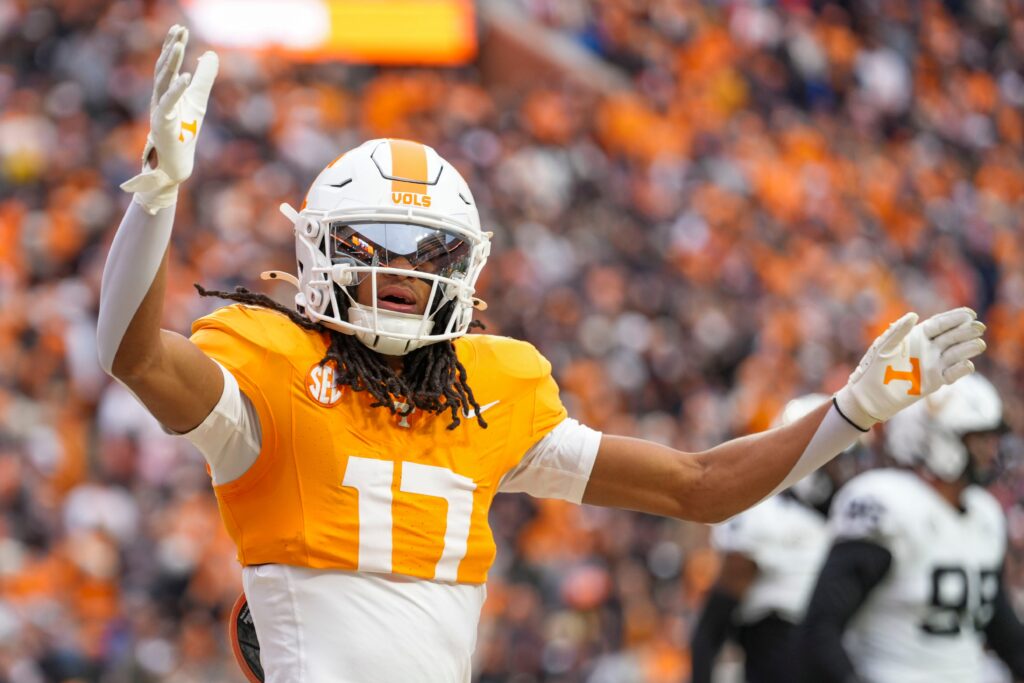
9. Chris Brazzell, Tennessee Volunteers: 77.00/100 (Second Round Value)
They say “don’t scout the helmet”. It’s hard with these Tennessee wide receivers, though. Brazzell is the latest height/weight/speed product to come through the pipeline. He does have opportunities on tape from his time at Tulane but the production has exploded the last two years. I think he’s a developmental receiver whose production profile doesn’t quite match his body type: he’s big and long but lacks contested catch success (40% rate) and missed tackles created (9 credited in four seasons). He’s predominantly a field-stretcher and low-volume target with explosive play ability.
Third Round Grades
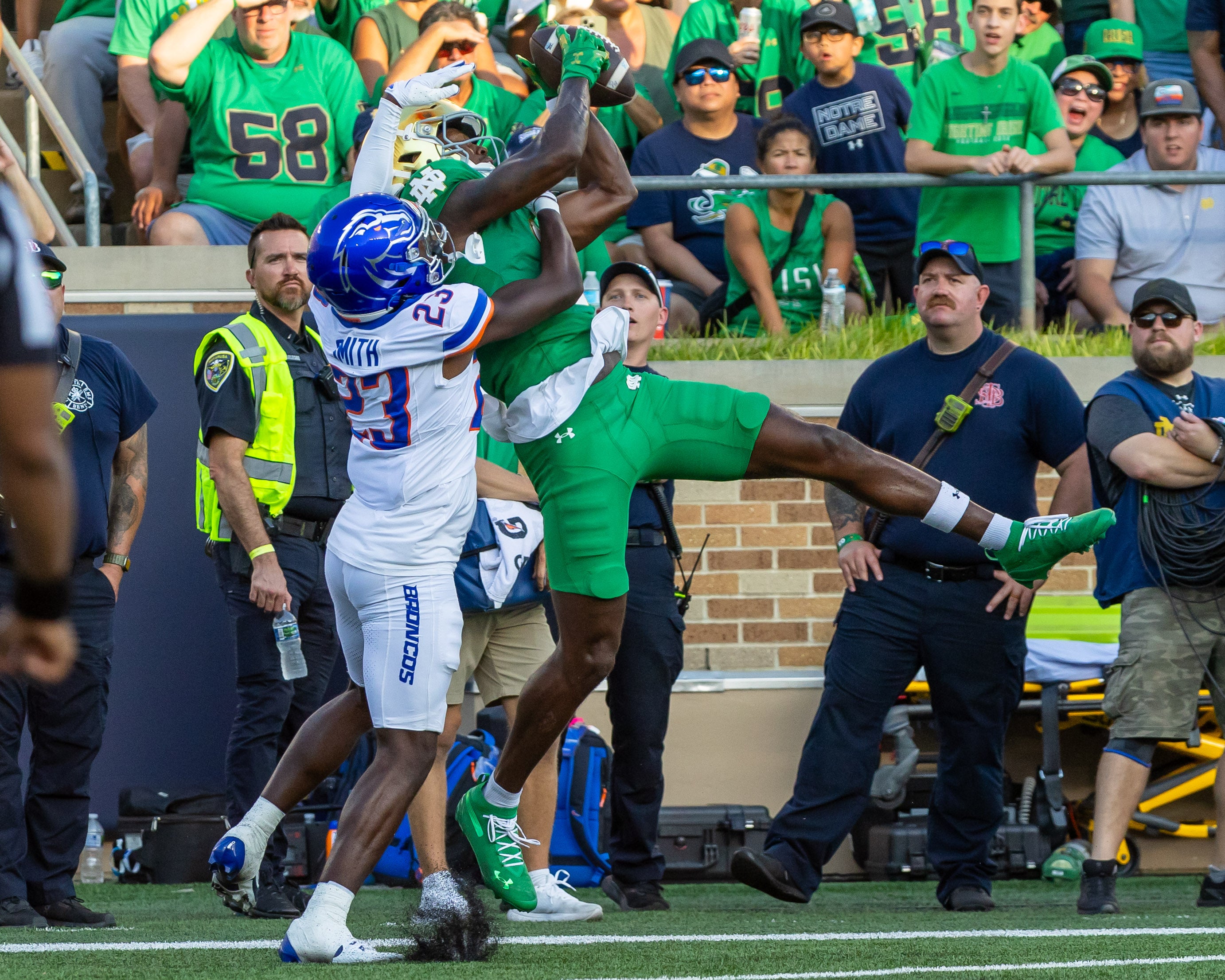
10. Malachi Fields, Notre Dame Fighting Irish: 76.00/100 (Third Round Value)
Perhaps the most physical receiver in the class. Fields has been consistently productive but will likely struggle with separation on the perimeter. He’s a bully at the catch point and as a run blocker for any team that covets size.

11. Skyler Bell, Connecticut Huskies: 75.00/100 (Third Round Value)
Bell isn’t a “sleeper” per se, but I do envision him being the best candidate to being a Day 2 star. He became a target hog in 2025 and saw his catch rate explode by 20% from the previous season. He accomplished this in part by cutting his drop rate from 15% to under 4%. Bell is twitchy and a successful run after catch target who averaged over 8 yards after the catch PER CATCH last season. But he had his breakout season as a redshirt senior while playing at UConn. Is it sustainable amid a leap to the NFL?
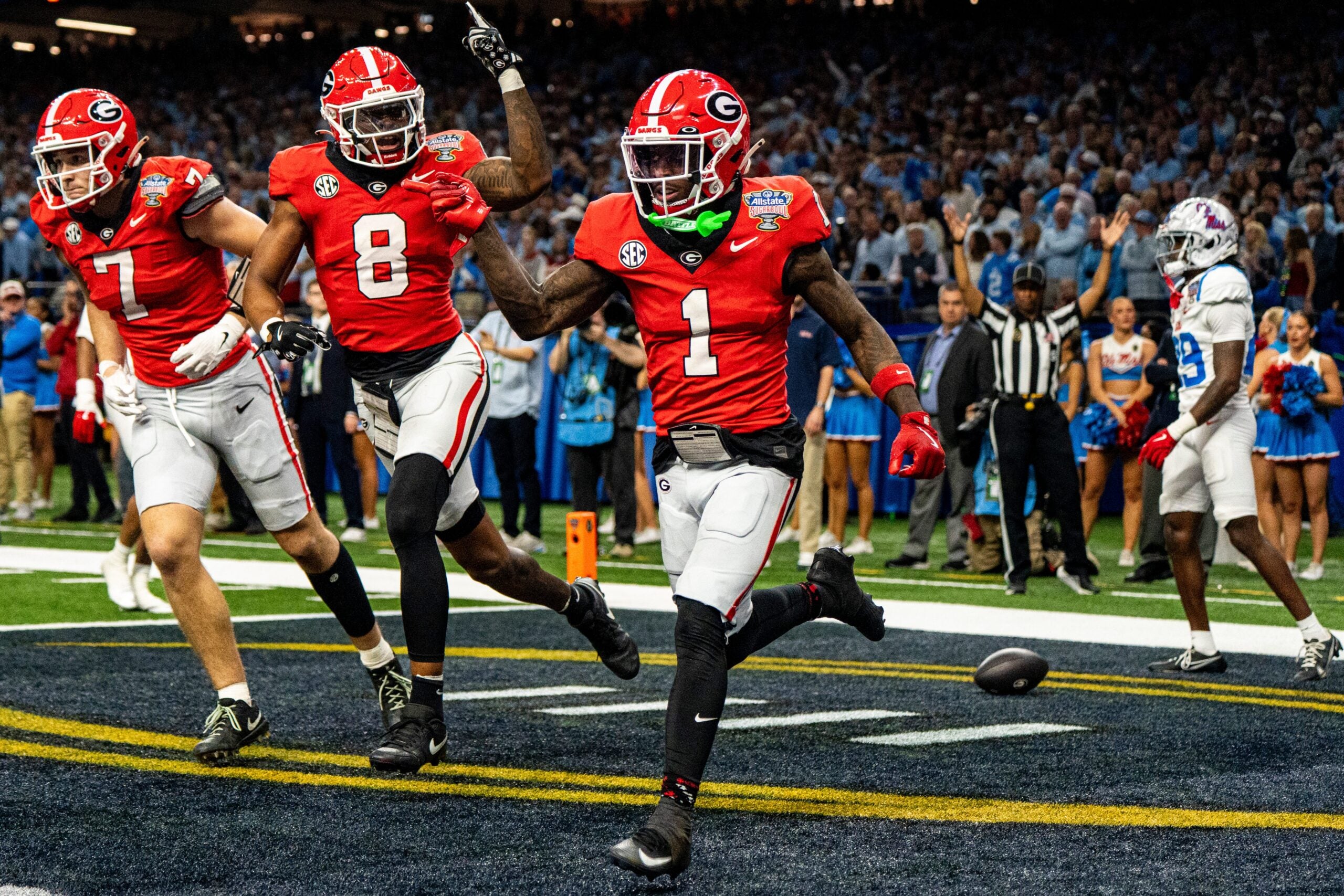
12. Zachariah Branch, Georgia Bulldogs: 75.00/100 (Third Round Grade)
You almost have to throw the tape in the trash on this one, as much as I hate saying it. The Branch role in the Georgia offense is a high school equivalent. A career average depth of target of 5.2 yards downfield on 211 targets! It was barely over 3.5 yards in 2025 alone off over 90 targets. He’s lightning in a bottle and explosive with the ball in his hands. But he’s very much a route-running projection and his resume right now reads as a schemed touch target and shallow run away option against man coverage.
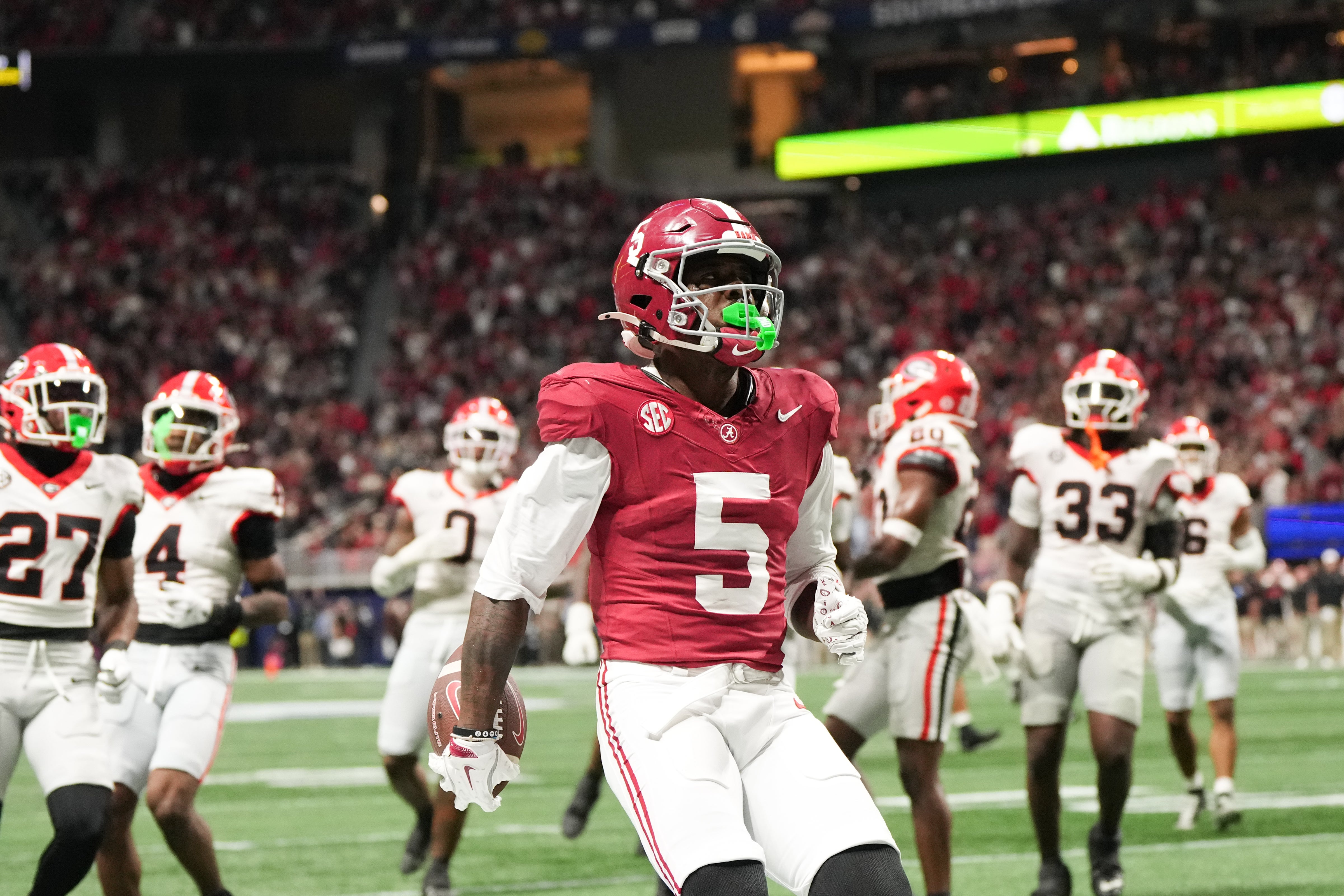
13. Germie Bernard, Alabama Crimson Tide: 74.50/100 (Third Round Grade)
Bernard does a lot of the “little things” well. He’s a tough, nasty run blocker, he makes tough catches. As a matter of fact, Bernard catches pretty much everything. He has four credited drops on 232 career targets. He’s got good size at 6-foot-1, 206 pounds — he feels destined for a WR2 role eventually in the NFL.

14. Bryce Lance, North Dakota State Bison: 74.00/100 (Third Round Grade)
There are shades of Christian Watson, another NDSU height/weight/speed target. But I believe he’s more rough around the edges. He’s going to need some time to marinate as a route runner but he’s got a prolific blend of speed (4.36s 40) to go with a 6-foot-4 frame and 208 pounds. If you want to bet on raw potential. Lance is going to be one of your guys this year. I would just suspect a quiet start as he acclimates to the pros.
The Best Of The Rest
| 15. | Deion Burks | Oklahoma | 73.50 (RD4) |
| 16. | Eric Mcalister | TCU | 73.50 (RD4) |
| 17. | Josh Cameron | Baylor | 73.50 (RD4) |
| 18. | Brenen Thompson | Mississippi State | 73.00 (RD4) |
| 19. | Antonio Williams | Clemson | 72.50 (RD4) |
| 20. | Ja’Kobi Lane | USC | 72.00 (RD4) |
| 21. | Malik Benson | Oregon | 72.00 (RD4) |
| 22. | De’Zhaun Stribling | Mississippi | 71.50 (RD5) |
| 23. | Elijah Sarratt | Indiana | 71.50 (RD5) |
| 24. | CJ Daniels | Miami | 71.50 (RD5) |
| 25. | Cyrus Allen | Cincinnati | 71.50 (RD5) |
| 26. | Kevin Coleman | Missouri | 70.50 (RD5) |
| 27. | Jeff Caldwell | Cincinnati | 70.50 (RD5) |
| 28. | J. Michael Sturdivant | Florida | 69.50 (RD6) |
| 29. | Lewis Bond | Boston College | 69.50 (RD6) |
| 30. | Romello Brinson | SMU | 69.00 (RD6) |
| 31. | Kaden Wetjen | Iowa | 69.00 (RD6) |
| 32. | Eric Rivers | Georgia Tech | 69.00 (RD6) |
| 33. | Kendrick Law | Kentucky | 68.50 (RD7) |
| 34. | Eli Heidenreich | Navy | 68.50 (RD7) |
| 35. | Chase Roberts | BYU | 68.50 (RD7) |
| 36. | Dillon Bell | Georgia | 68.50 (RD7) |
| 37. | Tyren Montgomery | John Carroll | 68.50 (RD7) |
| 38. | Caleb Douglas | Texas Tech | 68.00 (RD7) |
| 39. | Barion Brown | LSU | 68.00 (RD7) |
| 40. | Reggie Virgil | Texas Tech | 67.00 (UDFA) |
| 41. | Colbie Young | Georgia | 66.00 (UDFA) |
| 42. | Dane Key | Nebraska | 66.00 (UDFA) |
| 43. | Chris Hilton Jr. | LSU | 65.00 (UDFA) |
There’s a slew of my Day 3 grades that I would be completely unsurprised to see end up on Day 2. I get why there’s so much intrigue for Ole Miss WR De’Zhaun Stribling; although I simply have him scored as a little more developmental. Indiana’s Elijah Sarratt is a high IQ player and I can foresee a productive NFL career — I just don’t quite think his skill set has any distinguishing qualities.
The talent of someone like Eric Mcalister (TCU) is obvious but his journey to the pros has had several hiccups off the field. His physical ability is that of a starting receiver, in my opinion. There’s also skill-specific players littered throughout my Day 3 grades, like Antonio Williams (shifty slot), Brenen Thompson (field stretcher), Kaden Wetjen (return specialist), and Ja’Kobi Lane (developmental X).
These 2026 NFL Draft wide receiver rankings also have a slew of depth and role players — I’d expect this group will have a very fruitful collective impact on the NFL.

NFL Draft