
The Dallas Cowboys defense was so bad that it’s hard to bet on a one-year turnaround, but 3 things suggest it will
The Dallas Cowboys defense was one of the NFL’s worst in 2025. Can new defensive coordinator Christian Parker fix it in record time? There are reasons to believe the answer is yes.


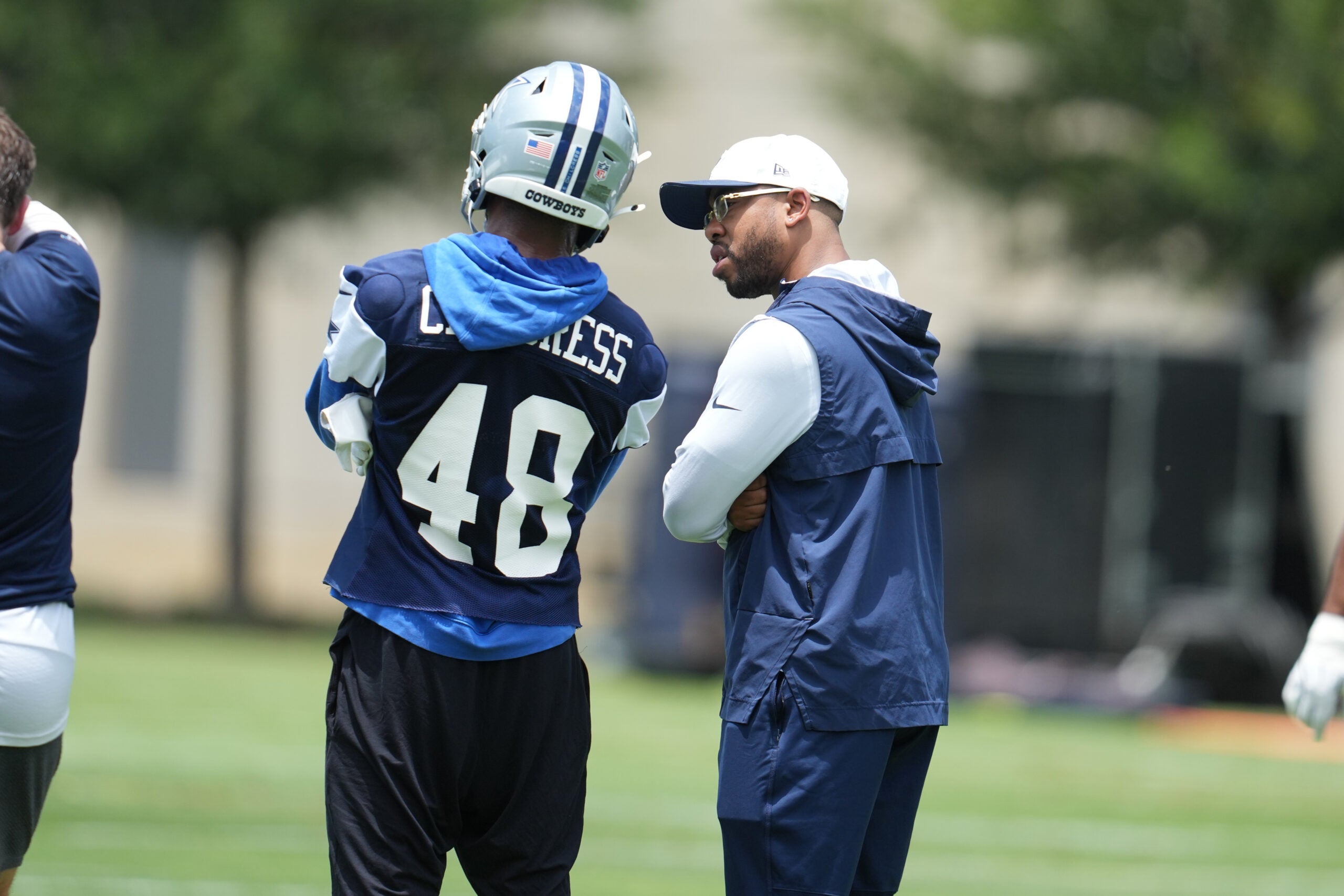
The Dallas Cowboys finished 2025 with the worst defense in the NFL. Dead last in points allowed, second worst in yards per play, and a bottom three unit in takeaways.
A defense so bad that skepticism about a one-year turnaround is completely fair. Sure, there is a lot of new talent in place and a new defensive coordinator in Christian Parker. But is it enough for such an underwhelming defense? Parker inherits a unit desperate for an identity change, and his résumé from Philadelphia’s Vic Fangio coaching tree has generated significant hype around the Cowboys’ defensive outlook heading into 2026.
But hype only goes so far. Here are three concrete reasons to believe Parker can make this work in Dallas.
Cowboys new scheme works around the NFL
This might be the most important factor of them all. Over the last few years, the Cowboys have cycled through very different defensive schemes. When Dan Quinn arrived in 2021, he brought a Cover 1/Cover 3 system built around single-high looks. Many argued Quinn’s defense worked because of the talent around it: a game-changing pass rusher in Micah Parsons and a man-coverage monster in Trevon Diggs during his 2021 season and later DaRon Bland in 2023.
Quinn got away with running a scheme that has grown somewhat outdated in the modern NFL. The most successful defenses today tend to operate out of a two-high shell, limit pre-snap information for the quarterback, and rely on post-snap rotation, disguise, and light-box run defense to combat explosive plays.
That is precisely the style Parker comes from. His background traces directly to the Fangio defensive tree, the same system that powered Philadelphia’s elite units over the last few seasons. Think of it this way: last offseason, Cowboys fans wanted the team to tap into the Sean McVay and Kyle Shanahan coaching tree on offense because those systems reflect what works in today’s league. Parker represents that same idea on the defensive side of the ball.
Players are locked in
This one falls into the category of offseason narratives that are hard to quantify. But the signals that came out of OTAS and mandatory minicamp are encouraging.
Cowboys head coach Brian Schottenheimer told reporters that players line up outside Parker’s office every day to talk to him. That level of engagement is telling. It stands in stark contrast to what happened in 2025 under previous coordinator Matt Eberflus. With the latter, players even complained about the coaching staff ignoring their input.
You could argue player buy-in should be the bare minimum in the NFL, and you would be correct. But the bare minimum was not met last year in Dallas. Now it appears to be, and that matters. Parker is only 34 years old, which naturally raised questions about how he would command authority in an NFL locker room for those unfamiliar with him. But so far, the communication and buy-in suggest he has that part under control. If not more than that.
Cowboys’ personnel fits the scheme
I don’t think anyone would argue the Cowboys have the best defensive roster in the league. But this group appears to be a better marriage between personnel and scheme than anything Dallas has fielded in recent years.
After Quinn left to become Washington’s head coach, Mike Zimmer inherited Quinn’s personnel and later admitted he was guilty of not changing enough from Quinn’s system out of fear his own scheme wouldn’t work with the existing talent. That created a clunky transition. Then the Cowboys brought in Eberflus, and the same mismatch persisted. Only this time, Parsons’ elite pass rushing to cover for the roster’s shortcomings was long gone.
Parker’s roster, though, looks built for his defense. Quinnen Williams is a foolproof defensive lineman who would thrive in any system. Caleb Downs brings the football IQ required to exploit the strengths of a Fangio-style scheme. The offseason additions of cornerback Cobie Durant and safety Jalen Thompson brought in smart, scheme-versatile players who can digest complicated assignments and communicate during live plays.
That communication piece is critical. Parker’s defense will be match-heavy, requiring players to make adjustments and relay information during the play itself. On the defensive line, Rashan Gary profiles as the bigger, more patient edge defender Parker wants, someone who can eat up blocks for the linebackers rather than just shooting through a gap.
