
Latest validation highlights one area where Packers continue to outperform much of the NFL and strengthen roster depth
It’s not realistic to expect every late-round pick to be a hit, but the Packers have had reasonable success finding good players on Day 3.


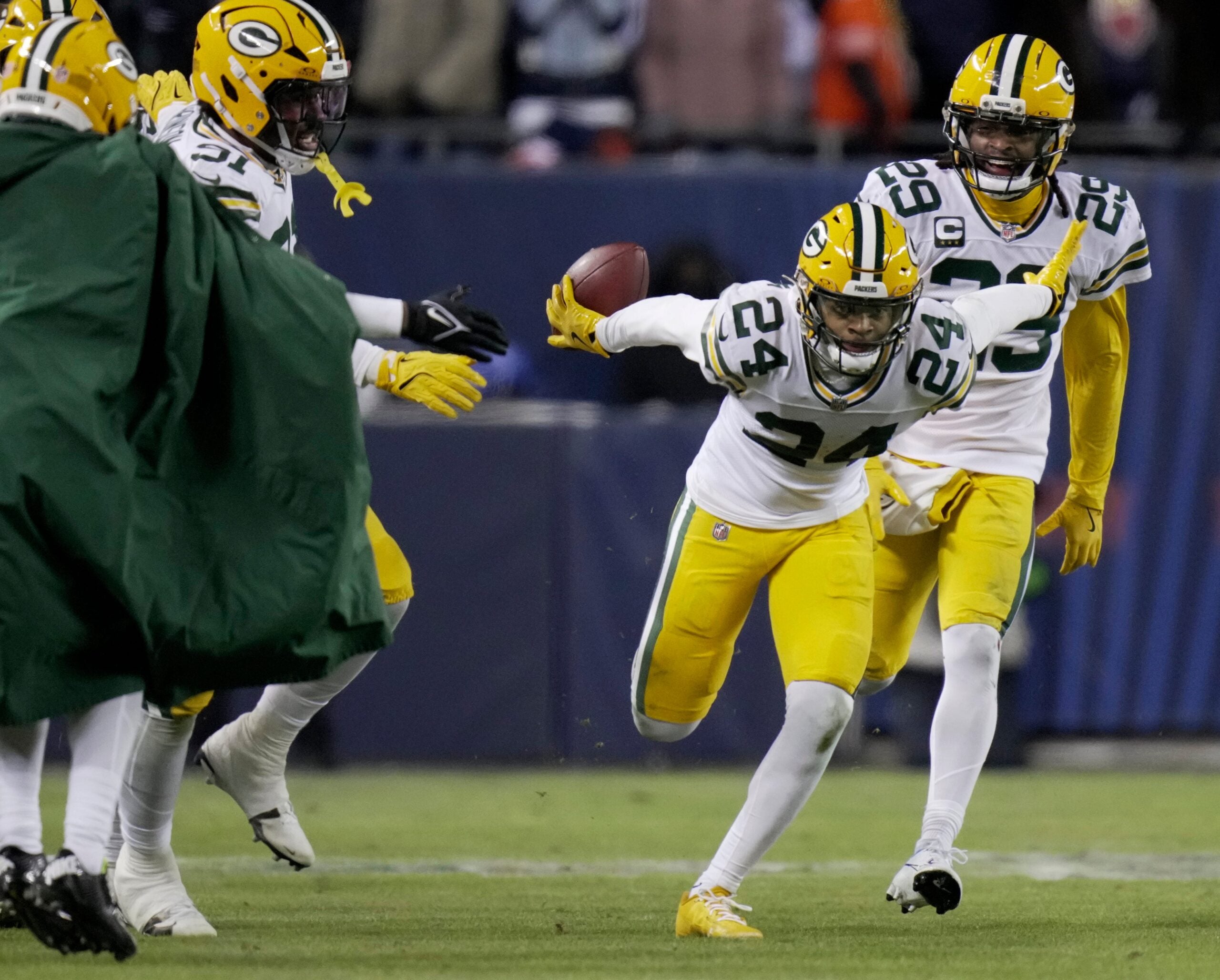
The Green Bay Packers have built a reputation for finding value across the entire NFL Draft, and their seventh-round strategy is finally getting the attention it deserves. PFF’s Daire Carragher constructed an all-seventh-round team featuring NFL contributors at every position, and the Packers placed two players on the list: Cornerback Carrington Valentine and linebacker Zaire Franklin.
Only one of them was drafted by Green Bay. But another player from a premium position that Brian Gutekunst took is also on the list, and it’s offensive tackle Rasheed Walker.
That type of surplus value at premium positions speaks to Green Bay’s ability to identify talent where other teams often stop looking.
Cheap capital, real production
PFF assembled the roster of seventh-round picks who have outplayed their draft stock, and Green Bay’s presence on the list stands out. Valentine remains on the Packers’ roster as a projected starter, while Walker signed with the Carolina Panthers this offseason after developing in Green Bay’s system.
A third player on the list, linebacker Zaire Franklin, wasn’t drafted by the Packers but now plays for them after a trade that sent defensive tackle Colby Wooden to the Indianapolis Colts.
The Packers leaned heavily into late-round selections for a sustained stretch. In 2022, general manager Brian Gutekunst’s class included four seventh-round picks, among them Walker and wide receiver Samori Toure. The 2023 class featured another four seventh-rounders, with Valentine among them. Green Bay added two more in each of the 2024 and 2025 drafts.
That volume was deliberate. Seventh-round picks represent cheap capital, often acquired through compensatory selections or trades back in the draft. Sometimes, seventh-round selections get fewer contract guarantees than undrafted players.
The cost of those picks is minimal, but the upside when one hits at a premium position is enormous. Finding a starting-caliber cornerback or left tackle in the final round of the draft creates the kind of roster surplus that allows a team to allocate resources elsewhere.
Valentine’s path forward
Carrington Valentine is entering the final year of his rookie contract, and Green Bay invested heavily in the cornerback room this offseason because the team wasn’t entirely satisfied with his production last year. The Packers added resources at the position, but Valentine has remained in the starting lineup throughout the offseason program, lining up on one side with Keisean Nixon on the other, and Javon Bullard working in the slot.
That alignment suggests Valentine still has the coaching staff’s confidence as a starter, even if the front office wanted more competition behind him. For a seventh-round pick to hold a starting role entering Year 4, the value proposition has already paid off regardless of what happens next.
Surplus value as a roster-building tool
Finding contributors in the seventh round is never a guarantee, and most late-round picks never carve out meaningful NFL roles. But the Packers’ hit rate during this stretch has been notable. Those results reflect a scouting process that treats late-round selections as genuine opportunities rather than afterthoughts. That’s particularly important for a team that hasn’t had as much success in the first round, for instance.
Franklin’s addition through trade adds another layer to the proposition. The Packers identified a seventh-round pick from the Indianapolis Colts, who had a similar scouting process under GM Chris Ballard. Franklin developed into a quality starter, and the Packers were able to acquire him at a reasonable cost.
That willingness to find value with these types of players, whether through the draft or the trade market, is a consistent thread in how Gutekunst builds rosters. And Green Bay’s ability to extract production from the cheapest draft capital available has been a quiet advantage for years.
