
The biggest change Robert Saleh is bringing Titans vets, rookies, and fans alike is something they haven’t experienced before now
You know Robert Saleh for his consistent defensive production, but his defensive line is the real calling card of this unit. And it’s going to look and feel different than everybody is used to.


The Tennessee Titans defensive line is undergoing a philosophical transformation under coach Robert Saleh, and the early returns from mandatory minicamp suggest the players are buying in. Saleh’s attack-style defense represents a stark departure from what Tennessee has run for years, and both the youngest and most tenured members of the Titans’ D-line expressed genuine enthusiasm about the change at the end of minicamp last week.
Saleh’s calling card has always been the way he operates his defensive line. He rotates bodies at a high clip, builds deep rooms, and sends fresh pass rushers at the opposing offensive line in waves designed to wear them down as the game progresses. His scheme asks defenders to pin their ears back, get off the ball, and attack. That’s a fundamentally different ask from what the Titans have been running in Nashville for years, a hold-and-contain approach rooted in gap integrity, absorbing double teams at the line of scrimmage, and picking spots to rush the passer.
Saleh’s approach is the inverse. He wants his guys playing on the other side of the line of scrimmage, not at it. If that means occasionally getting a step behind the play, so be it, because the tradeoff is relentless pressure on the quarterback.
Keldric Faulk already feels the difference
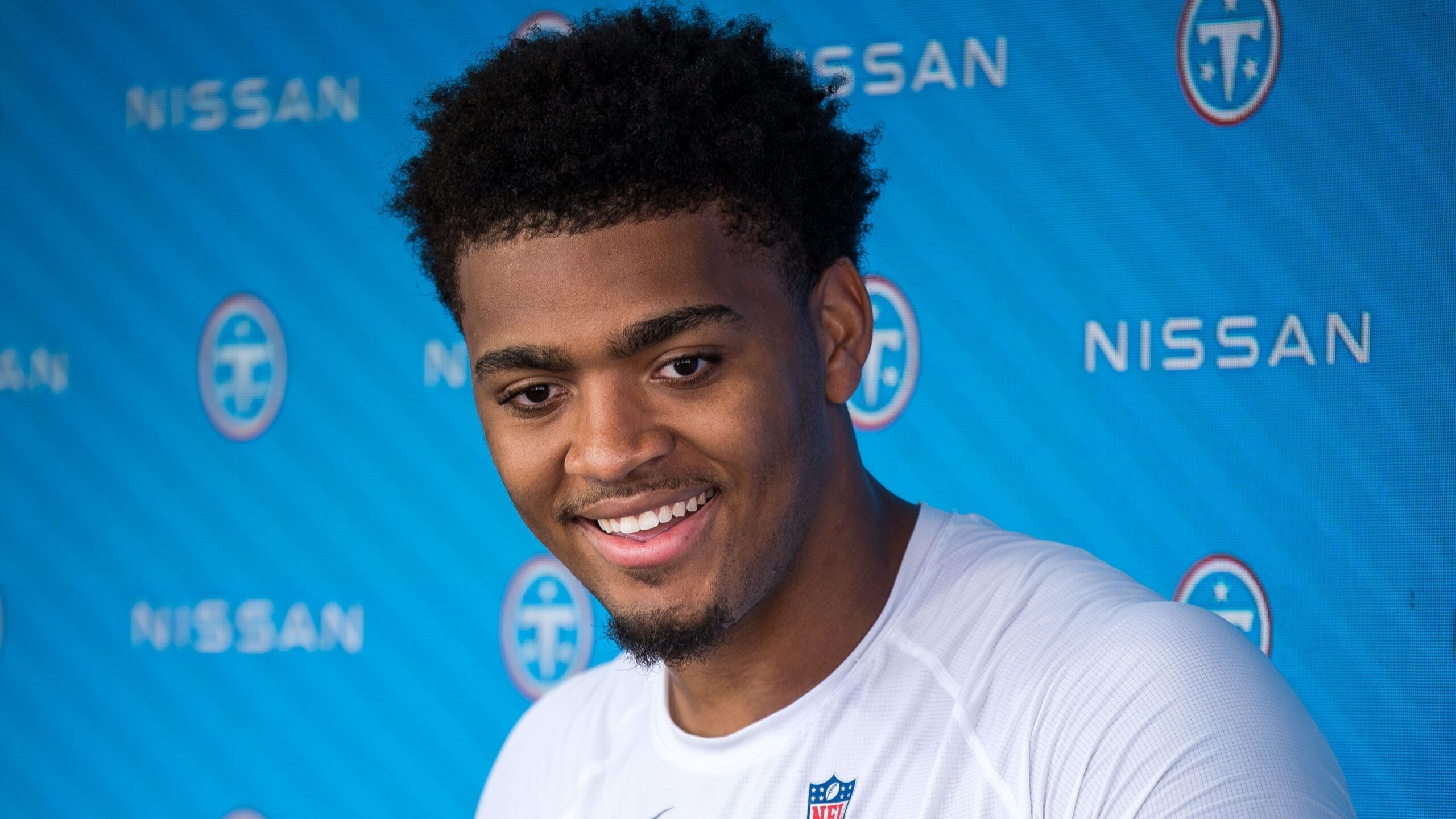
Rookie first-round pick Keldric Faulk came to the podium at the end of minicamp and talked about how dramatically different he feels compared to when he first arrived. The adjustment was real, but it didn’t take long.
“As far as how we play stuff up here, it was totally different from what I was doing in college,” Faulk said. “So like, I really had to start from ground zero and just get the fundamentals of how we got off the ball, especially in the attack front that we are in. I felt like it took me a week, maybe two, to get that part down. But once I got that part down, everything else came a little easier.”
He went further, expressing the kind of enthusiasm you don’t often hear from a rookie still getting his feet wet in the NFL.
“That’s what I like,” Faulk said. “That’s what I wish, you know, really I could have done in college. Now, I didn’t even love what I did in college, but if I could just get off the rock like I am now, man, it would have been a really, really fun year. Like, it would have been a really fun couple years. It was still fun. But I really love playing in this type of defense.”
A first-round pick who played well enough at Auburn to hear his name called early in the 2026 NFL Draft, and he’s already more excited about what he’s doing now than what he did in college. That tells you something about how liberating this scheme can feel for a pass rusher.
Jeffery Simmons adjusting after years of a different approach
If Faulk’s excitement is encouraging, hearing the same sentiment from Jeffery Simmons is even more notable. Simmons is entering year 8 with the Titans. He’s been here longer than just about anyone on the roster. He spent the bulk of his career in a system that asked him to hold ground at the line of scrimmage, absorb double teams, and maintain gap discipline. Now defensive line coach Aaron Whitecotton is asking him to do something different entirely.
“It’s kind of my first year playing in this attack defense,” Simmons said. “A lot of the last couple years they’ve just been playing true technique, right? The line of scrimmage, holding on to a double team. I mean, my first time going out there on the field with [defensive line coach] Whitecotton, I’m used to playing doubles. You know, when I get on, I feel a double team. I’m sitting at the line of scrimmage. I’m kind of holding my ground. And he showed it in the meeting room and said, this is not how we play. You know, just not how this defense plays. We attack up the field.”
“I love this type of defense to be able to be on the other side of the line of scrimmage each and every play. It demands you to make plays. It demands you to stay in shape because everything is get off with your first two steps. No matter what, you have to play on the other side of the line of scrimmage. So I love this philosophy. I think it helps me make a lot more plays in the backfield and it’ll help this team for sure.”
The bottom line for the Titans’ new defense
Playing on the other side of the line of scrimmage instead of at it. That’s the simplest way to describe how this Tennessee defense will look different when the Titans take the field in the fall. The buy-in from both a 22-year-old rookie and a 28-year-old franchise cornerstone suggests Saleh and Whitecotton are getting the message across. Now comes the hard part: translating minicamp enthusiasm into regular-season production.
