
Former Ohio State star basketball player calls out the OHSAA with a major point that he isn’t wrong about
Recruiting is constantly evolving in the world of college sports, and in this era of NIL (Name, Image, and Likeness) and revenue sharing, some college athletes are making serious money. Some players are signing major NIL deals before they even step on campus—and in some cases, while still in high school. However, Ohio currently does […]

Recruiting is constantly evolving in the world of college sports, and in this era of NIL (Name, Image, and Likeness) and revenue sharing, some college athletes are making serious money.
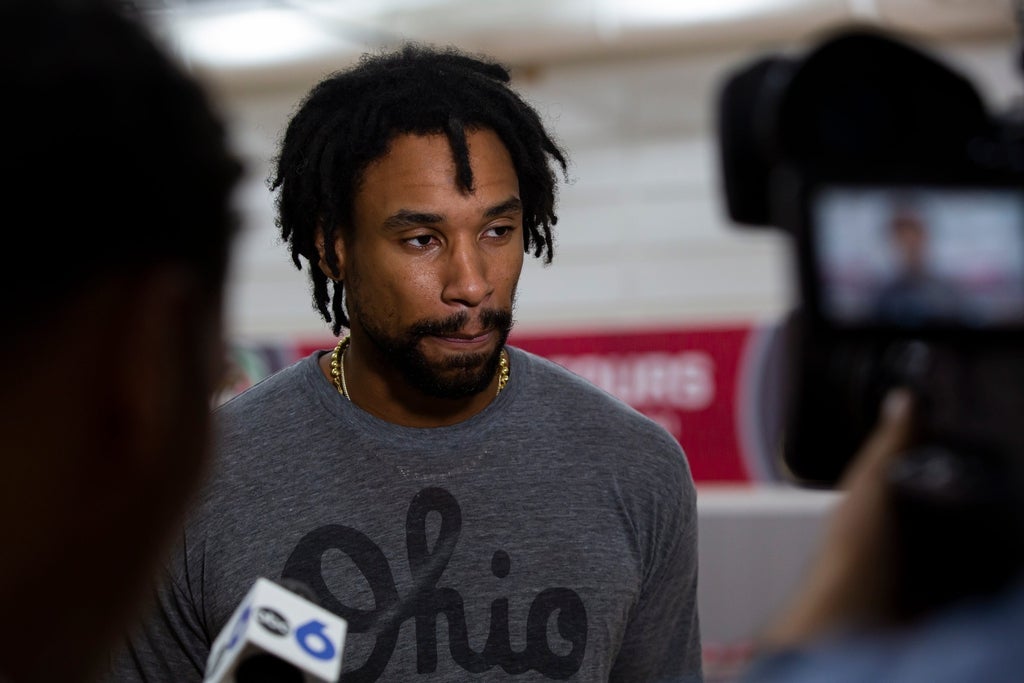
Some players are signing major NIL deals before they even step on campus—and in some cases, while still in high school. However, Ohio currently does not allow high school student-athletes to profit from their name, image, and likeness. That’s something one former Ohio State Buckeye wants to see change.
Former Ohio State star Jared Sullinger took to X (formerly Twitter) to voice his frustration with the OHSAA:
“OHSAA needs to wake up. Our top high school athletes are leaving Ohio because they can’t get paid. NIL is the future—if we don’t adapt, we’ll keep losing our best talent across state lines. Keep our stars home.”
Top recruits sometimes leave Ohio to play football for programs like IMG Academy or join elite prep basketball schools across the country. For example, Daryn Peterson, the No. 1 player in the class of 2025, is originally from Ohio but most recently played at Prolific Prep in California. This is just one example of Ohio losing top-tier talent to other states. Chris Henry played his freshman season of football in the Cincinnati area before leaving for the west coast.
At some point, Ohio will likely adapt to the changing landscape. But right now, this seems like a simple problem with a straightforward solution.
