
'The more you look at it, the more it makes some sense' – It's time for Tennessee to make a big change to the football program
Earlier this month, I suggested that the Nico Iamaleava transfer drama exposed an issue with the Tennessee Vols football program that needs to be fixed. Tennessee, unlike many Power-4 programs, doesn't currently have a general manager in place (some programs, like UCLA, have a general manager and an assistant general manager). That's a position I […]

Earlier this month, I suggested that the Nico Iamaleava transfer drama exposed an issue with the Tennessee Vols football program that needs to be fixed.
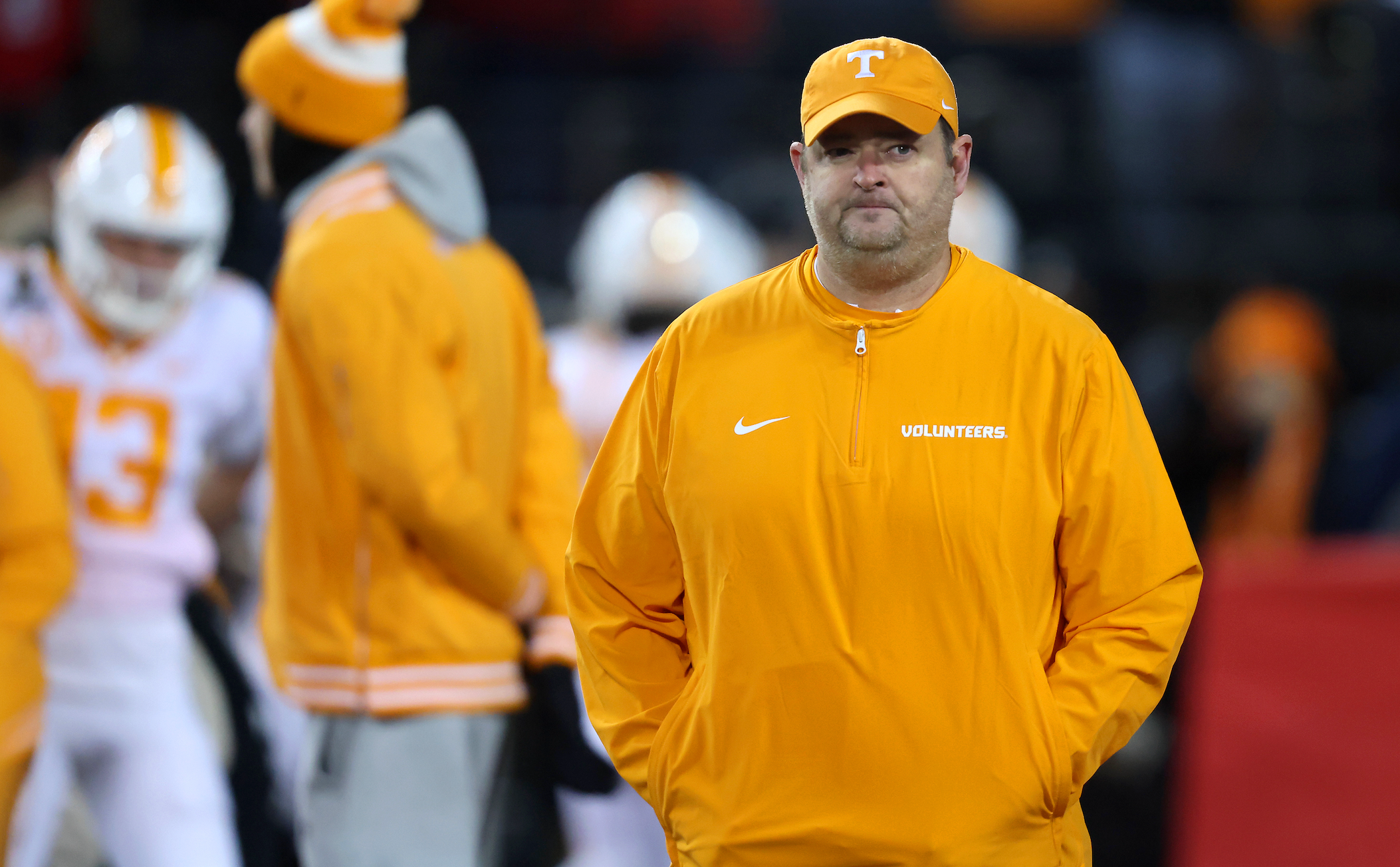
Tennessee, unlike many Power-4 programs, doesn't currently have a general manager in place (some programs, like UCLA, have a general manager and an assistant general manager). That's a position I think Tennessee needs to create to avoid unnecessary transfer portal/NIL issues. It wouldn't completely eliminate those issues, but it could help the program manage whatever situations pop up more effectively and efficiently.
The feedback to that column, to my surprise, was mostly negative, with numerous comments suggesting that Tennessee already has the right structure in place (though sources have told A to Z Sports that some Power-4 player personnel departments around the country think Tennessee is lacking in that area).
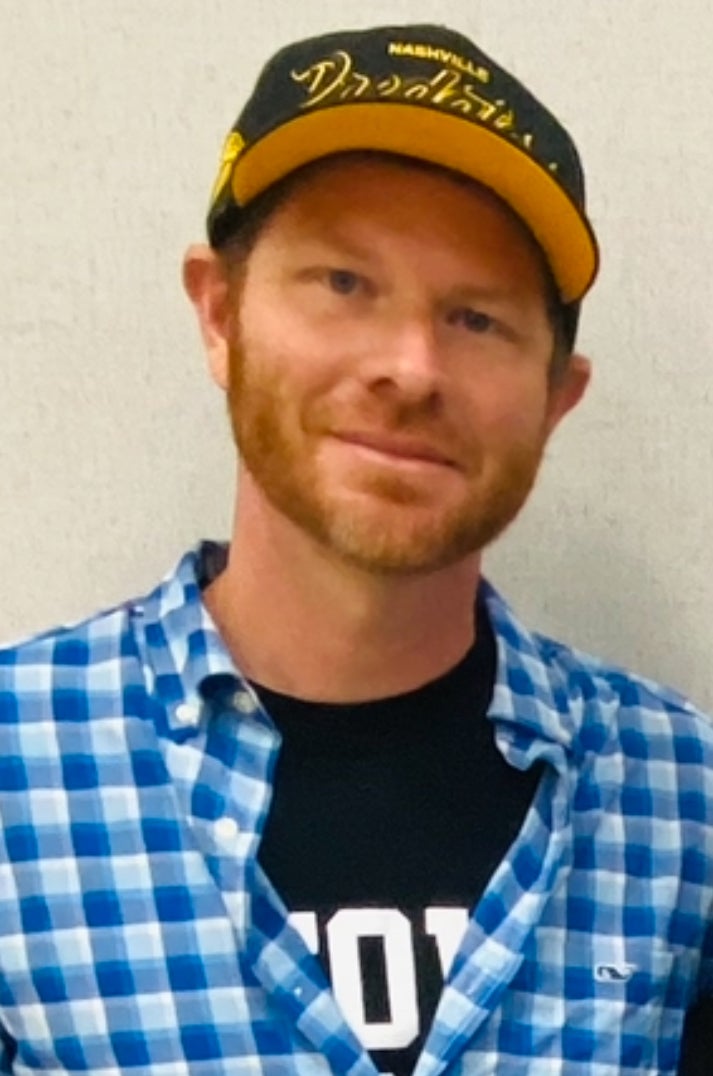
On Friday, VolQuest's Brent Hubbs joined 104.5 The Zone's Ramon, Kayla, and Will and he was asked about his thoughts on whether Tennessee needs a general manager.
"For the longest time, I said no," said Hubbs when asked if he thinks it's necessary for Tennessee to hire a general manager. "And I think you can do it without having a GM title. But I think the more you look at it, the more it makes some sense. And here's why: I think you're going to see it more and more around the country. It's not necessarily about the title, but it's about having someone who is firmly in charge that creates the organization that you need. That's the bigger thing that you have to have. Whether it's a title, whether it's two guys, however you lay it out, the organizational part of it has to be paramount, and the communication of it has to be paramount.
"And what I mean by the organization part is what I was saying earlier, you have to work it (the roster) year round. Roster management is not okay, we're at the end of the year, what are we going to do with player X if he comes and asks for more money? You better already have that thought laid out. Think about it — in the NFL [Draft] last night, think about how long the scouting department went about putting together last night for their first round pick. How many man hours they put into that — not just in the last three [months]. I mean, they didn't just do this based off the combine and visits to franchises. This was scouting for the last couple of years. So you have to have that part of it. The other thing, from a communication standpoint, is you can't get lost in talking to four or five people and then making a decision on it. This stuff happens really fast in real time, so you better be organized and you better be communicating. This can't be, hey, we'll deal with that in the morning. In the morning may be too late. The next hour may be too late. So I think the organization and the communication part, by however means you lay it out, are the most important things that we're seeing in roster management."
No one is suggesting that the Nico situation would've played out any differently had there been a general manager in place at Tennessee (though maybe it would've). But I think that situation, and there's a lot of different stories from both sides on what really went down, showed that the communication at Tennessee when it comes to NIL deals and transfer decisions isn't where it needs to be (my opinion, based on multiple conversations with folks close to the situation, is that a lack of clear and direct communication between Tennessee, Tennessee's NIL collective, and Nico's camp was the biggest reason that the whole situation went sideways).
College football, much like the NFL, is a copycat sport. It's time for Tennessee to follow the lead of others and find a better roster management structure that fits the rapidly changing world of college athletics.
