
Jets and Steelers switched QBs in Rodgers and Fields this offseason, and numbers quietly point to who may have come out on top
In Week 1 last season, Aaron Rodgers started for the New York Jets. And while Russell Wilson was hurt, Justin Fields was QB1 for the Pittsburgh Steelers. When the Jets and Steelers face in Week 1 in 2025, at MetLife Stadium, the roles will be reversed.Back in March, the Jets gave Fields a two-year, $40 […]


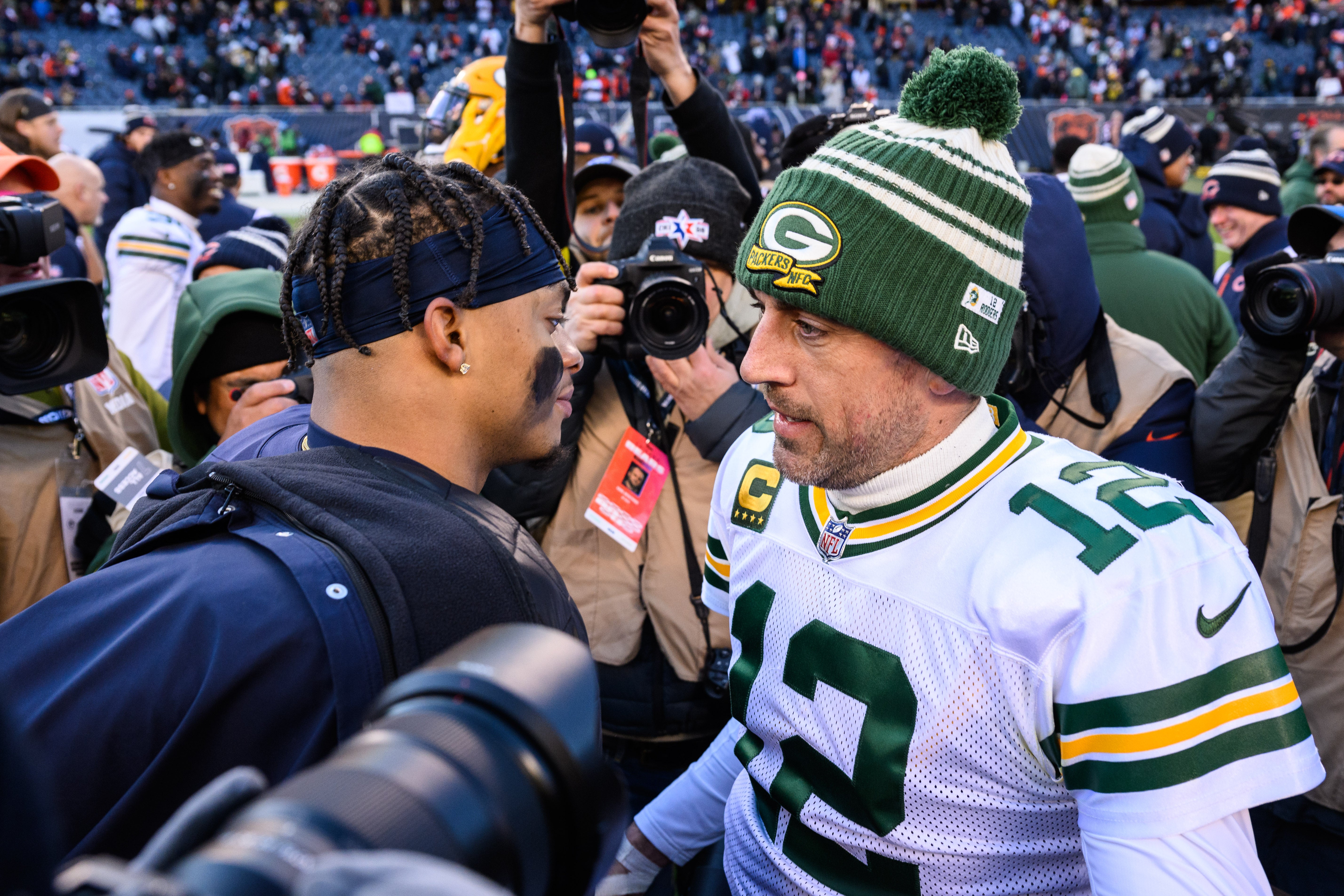
In Week 1 last season, Aaron Rodgers started for the New York Jets. And while Russell Wilson was hurt, Justin Fields was QB1 for the Pittsburgh Steelers. When the Jets and Steelers face in Week 1 in 2025, at MetLife Stadium, the roles will be reversed.
Back in March, the Jets gave Fields a two-year, $40 million contract. On Thursday, Rodgers finally decided to sign with the Steelers after an offseason saga. For both sides, it's valuable to compare what they had and what they expect from their new quarterbacks.
What Rodgers did better
Big-time throw rate:
Aaron Rodgers: 4.2%
Justin Fields: 3.4%
Turnover-worthy play rate:
Aaron Rodgers: 1.8%
Justin Fields: 2.8%
Time to throw:
Aaron Rodgers: 2.65
Justin Fields: 3.08
What Fields did better
Average depth of target:
Justin Fields: 7.8
Aaron Rodgers: 7.3
Pressure to sack rate:
Justin Fields: 20.5%
Aaron Rodgers: 22.5%
Passer rating:
Justin Fields: 93.3
Aaron Rodgers: 90.5
EPA/play:
Justin Fields: 0.107
Aaron Rodgers: 0.057
Success rate:
Justin Fields: 47.0%
Aaron Rodgers: 44.3%
What these numbers say
As Rodgers has been throughout his entire career, he was pretty good on the Jets to create big plays and avoid mistakes, so it's no surprise that he was better than Fields in each of these categories. The new Jets QB is also known for how much he holds the ball.
On the other hand, and despite all that, Fields was in fact more efficient and productive in a smaller sample size last season. He threw the ball longer, and had better numbers than Rodgers both in average explosiveness and play-by-play success.
It's fair to consider that Rodgers was coming back from an Achilles injury, and 17 of his 30 fastest top-speed plays came in Week 13 or later, per NFL Next Gen Stats. That indicates the veteran quarterback was getting more explosive (and possibly healthier) down the stretch. The fact that Rodgers is getting older doesn't help here, but it's realistic to imagine that he might progress two years removed from the serious injury.
Meanwhile, Fields started only six games, so it's a limited sample size. When he had to be a full-time starter for the Chicago Bears, he never was a consistent passer — and he missed games every year due to injuries.
However, Fields is 15 years younger than Rodgers. With similar production and presumably a similar yearly salary average, it's easy to understand why both teams prioritized Justin Fields — even though Rodgers brings a higher ceiling if he can eventually regain the form he hasn't shown since 2021, his most recent MVP season.
