
How technology is shaping the future of officiating and player reality in the NFL
More than one hundred years have gone since a meeting in Canton created the National Football League. When the Kansas City Chiefs and Philadelphia Eagles step on the field in New Orleans on Sunday, for the 59th edition of Super Bowl, differences in how technology has transformed the sport exemplify how society in general changed […]


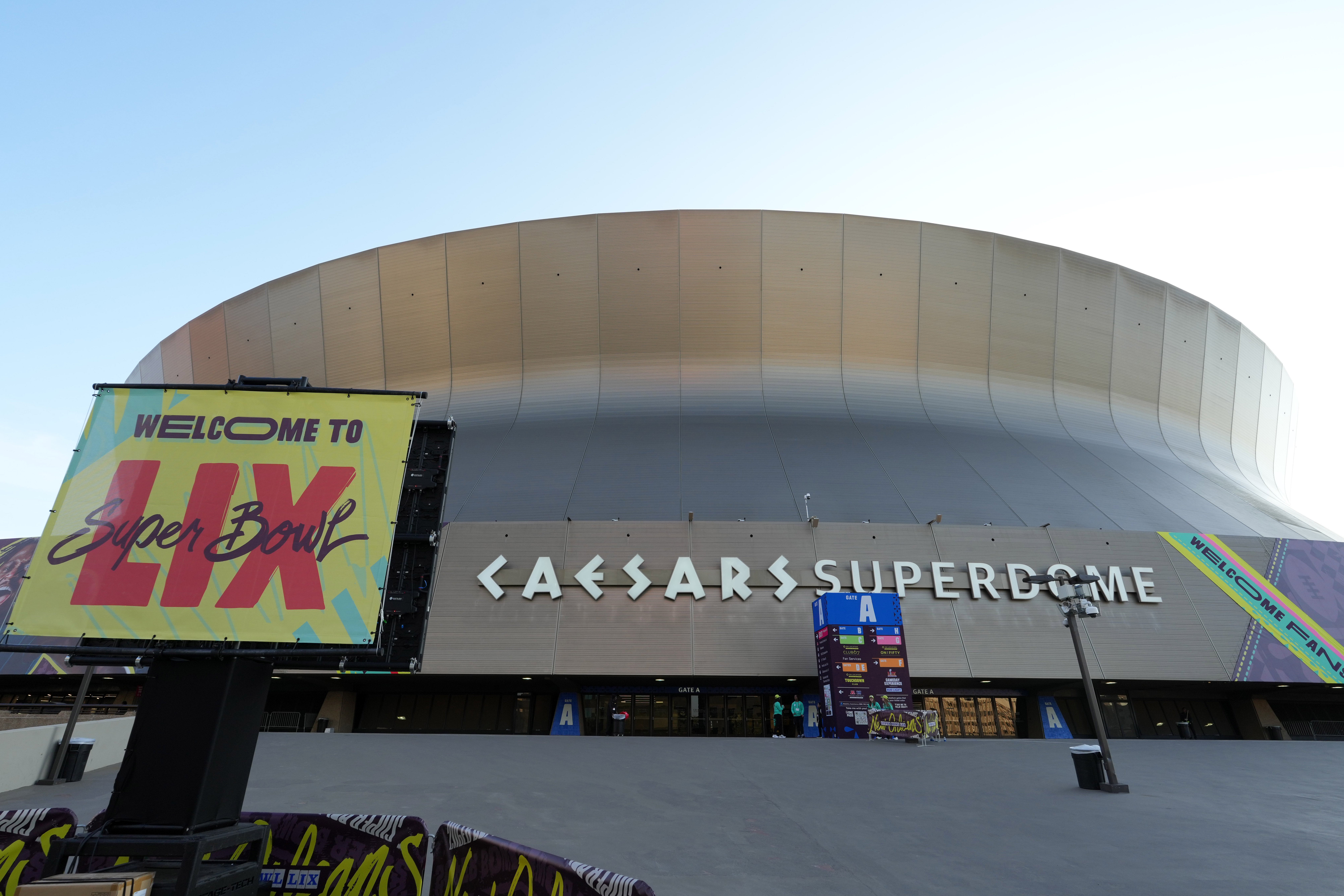
More than one hundred years have gone since a meeting in Canton created the National Football League. When the Kansas City Chiefs and Philadelphia Eagles step on the field in New Orleans on Sunday, for the 59th edition of Super Bowl, differences in how technology has transformed the sport exemplify how society in general changed over the past century.
The first signs of technology in the NFL appeared during the 1950s. There were rudimentary attempts to have some type of advantage, and it has evolved into one of the sports that rely on technology the most around the world.
In 1956, Paul Brown developed a system to communicate with the quarterback during the game. A radio device was secretly placed inside the quarterback's helmet. After several attempts to create isolated systems, the NFL finally approved a league-wide version of it in 1994.
Officiating
Nowadays, when fans talk about technology in the game, how it helps the officials is probably the most frequent and remembered aspect. Play reviews and rule changes have made it easier for officials to make decisions, even though the NFL is yet to fully embrace it.
The league tested replay review for the first time in the 1978 preseason, but only adopted some form of it in 1986 for regular season games.
However, the project was canceled in 1992 because games were too long. It only returned in 1999, when a more advanced technology allowed reviews and communication to be easier and faster.
Since 2014, the Art McNally GameDay Central is the place where the league monitors games and evaluates its officials, besides executing the instant replay system that assists officials.
Player communication, development and security
In 2014, the NFL introduced to the sidelines two Microsoft products, Surface tablets and the Sideline Viewing System. Coaches and players are allowed to view photos of the game in real time, even though vídeos are not permitted. Teams cannot access the Internet or install anything that might give them a competitive advantage.
Over the years, teams have used more technology on their daily operations. With a limited number of practices because of the CBA, teams have leaned into virtual reality to give quarterbacks more reps, for example. Cognilize is a German company that develops the system, and estimations indicate that quarterbacks are able to read defenses 80% faster after making the sessions.
Player security is also a big part of the development. Do you remembre those giant pads over the 1990s? Pads are much smaller and safer now, just like the game surface. The most impactful difference is with helmets, a big point of emphasis in the NFL since concussion became a well-known issue.
Next steps
While technology has helped fans watching the game on TV, like a digital marker for the first down, there are still steps for the future. An obvious one is a digital measurement to avoid human mistakes and the old chain model. A chip inside the ball, like soccer has, would help with positioning the football and with scoring plays when the view angle isn't enough.
But the NFL still wants the drama, because it generates money after all.
"Yes, [chain measurement] is subject to human error, just like anything else is," said John Mara, New York Giants President and CEO, and member of the Competition Committee. "But I think it's one of the traditions that we have in the game, and I don't think any of us have felt a real compelling need to make a change."
Eventually, though, the evolution of the game will require changes. And they will keep coming.
