
The debate over NFL taunting penalties and why players are frustrated
In a sport where really large and fast humans collide into one another every 40 seconds, there are penalties for celebrating one's success a little too extravagantly in another's face. A 15-yard penalty, more specifically. Taunting in the NFL has been a hot-button topic for a few years now. A recent emphasis on a rule that's […]


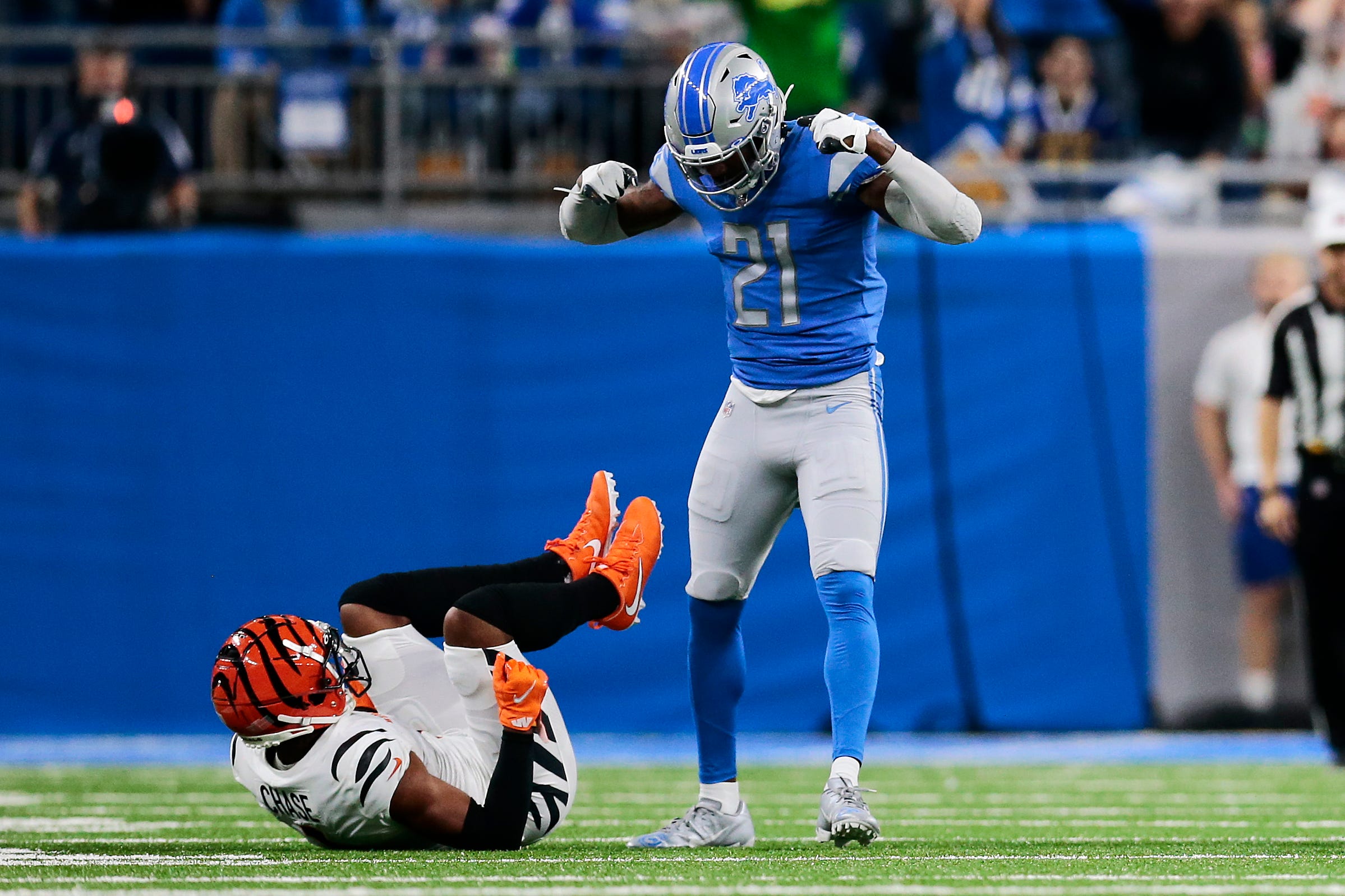
In a sport where really large and fast humans collide into one another every 40 seconds, there are penalties for celebrating one's success a little too extravagantly in another's face.
A 15-yard penalty, more specifically.
Taunting in the NFL has been a hot-button topic for a few years now. A recent emphasis on a rule that's existed for years has made both players and fans more conscious of expecting a flag whenever anything deemed even slightly unsportsmanlike occurs during or after a play.
The NFL's renewed focus on taunting
Prior to the 2021 regular season, the NFL's competition committee made the league aware of how officials will start enforcing rules against taunting.
“That’s something we discuss every year in the competition committee,” New York Giants owner and competition committee member John Mara said in August of 2021. “We get kind of sick and tired of the taunting that does go on from time to time on the field. We tried to balance the sportsmanship with allowing the players to have fun and there’s always a fine line there, but none of us like to see that. It’s just a question of whether you can have rules that can be enforced and without taking the fun out of the game too, but nobody wants to see a player taunting another player. I know, I certainly don’t. I think the rest of the members of the competition committee feel the same way, too.”
The moment that helped spark this was Tampa Bay Buccaneers safety Antoine Winfield Jr. using Kansas City Chiefs Tyreek Hill's signature peace sign against him in Super Bowl LV in February of that year. Winfield was flagged for taunting on the biggest stage in the sport for the entire world to witness, though the flag was meaningless in a game that was about to be over anyways.
What ensued was 61 total taunting penalties during the 2021 season, per EPSN's Kevin Seifert, and over 90% were deemed legitimate by the guidelines the competition committee provided. The ones the league wanted to let slide involved words being exchanged between opposing players.
"We're not looking for that," NFL executive vice president of football operations Troy Vincent said. "The referee can inject, separate them, give them an opportunity [to keep playing]. 'Celebrate with your teammates' was a phrase that was pretty clear. Don't go back toward your opponent."
Three seasons have passed and while we haven't experienced that many taunting penalties in any year since, there have been other key moments when flags have appeared.
Ramifications of increased taunting awareness
During last year's AFC Championship Game between the Chiefs and Baltimore Ravens, Zay Flowers hauled in a deep pass from Lamar Jackson late in the third quarter. Baltimore's offense had been suffocated by Kansas City for most of the game leading up to this play, and Flowers let his emotions free after finishing the 54-yard play.
Taunting. 15 yards backwards.
Flowers fumbled at the one-yard line a few plays later. The Chiefs recovered and won the game by a touchdown.
This play specifically got Cincinnati Bengals quarterback Joe Burrow to do something he rarely does: Post on X/Twitter. Burrow supported Flowers immediately after the flag was thrown.
Burrow was further asked about his stance on taunting during an appearance on New Heights with Jason and Travis Kelce a few months later.
“Yeah, I’m pro taunting," Burrow said. "We’re all grown adults that work really hard at what we do. And sometimes we’d like to show it. I’m not gonna get my feelings hurt if somebody sacks me and taunts me like you made a play. I get it. Like good for you.”
Burrow clarified his stance a few months later on Pardon My Take, stating that professionals should have the green light to let loose.
"I think if you're getting paid to play football, you can taunt," Burrow said. "I'm all for not taunting in college and high school, but once you get paid to play, I think we should be able to taunt."
In 2024, a total of 20 taunting penalties were called by officials, but many more were later assessed after the fact in the form of fines. The most recent example involved Kelce, who was docked $11,255 for taunting Damar Hamlin despite not being flagged for it in the moment.
$11,255 is listed as the NFL's fine amount for a player's first taunting offense. It rises to $16,883 for a repeated offense. The league handed out a total of 48 taunting fines this season despite officials recognizing it approximately 42% of the time on the field.
In a matter of a few years, the re-emphasis of taunting has slowly faded from diluting the on-field product to simply hitting the player's wallets after the fact, but players should still on aware that the 15-yard infraction could happen if they let express their emotions like the thousands of fans cheering them on.
