
Ravens HC ends up as the Bills' MVP in Week 4 win
The NFL has changed so much over the last decade, it's hard to keep up if you don't pay close attention. One such change involves the usage of analytics in games. There are plenty of coaches in today's game that base a lot of their decisions off what the advanced numbers say in certain situations. […]


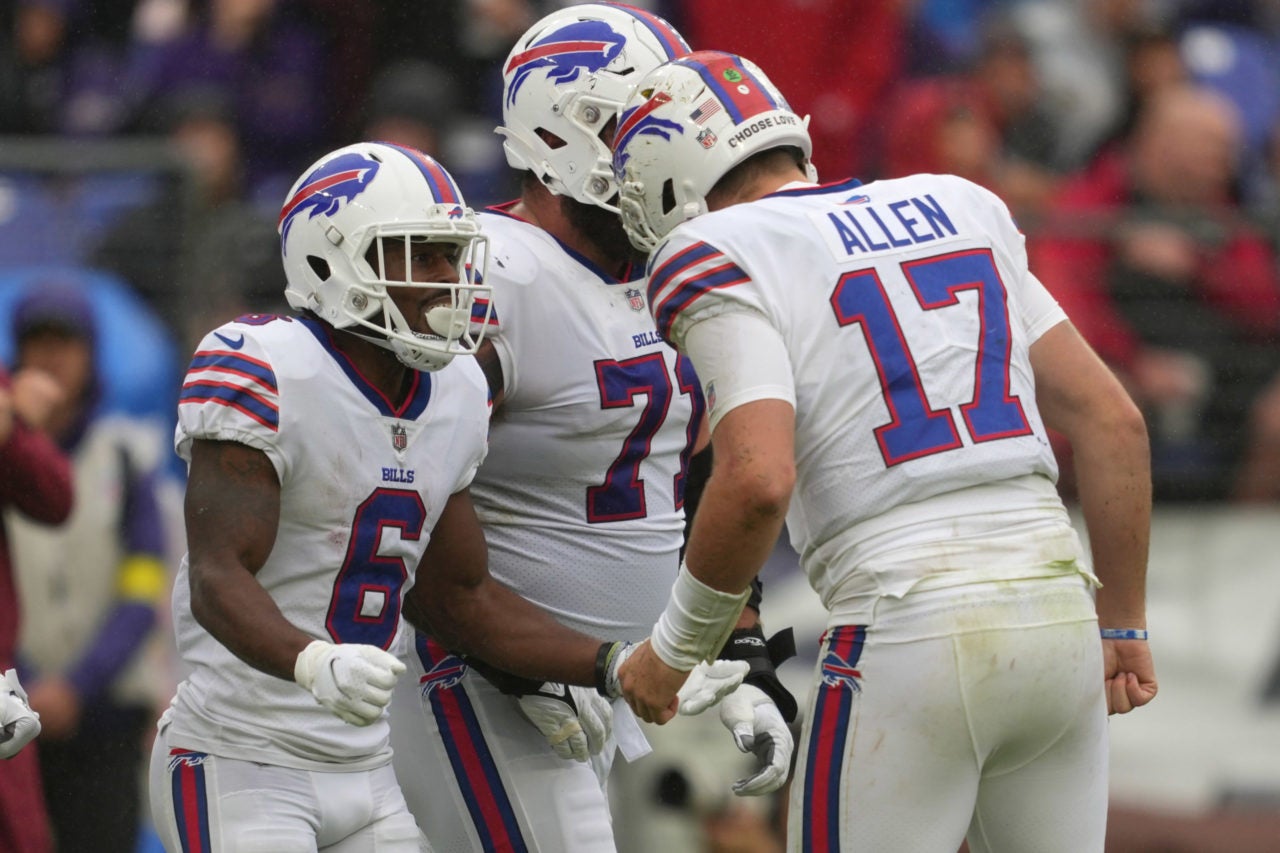
The NFL has changed so much over the last decade, it's hard to keep up if you don't pay close attention.
One such change involves the usage of analytics in games. There are plenty of coaches in today's game that base a lot of their decisions off what the advanced numbers say in certain situations.
One of those coaches is the Baltimore Ravens' own John Harbaugh. He is one of the bigger advocates of analytics and has based plenty of big decisions off what they say.
He did it during Sunday's matchup with the Buffalo Bills and this time, it cost him the game. The Bills tied the Ravens, 20-20, late in the third quarter after being down 20-3 earlier in the game. Both teams were fighting to break the tie, but it was the Ravens that eventually found themselves in the best position to take the lead.
The Ravens faced a 4th and goal from the Bills 2 with a little more than four minutes left in the game. Instead of opting to go with the gimme-field goal (which by the way, would've been kicked by arguably the greatest kicker to ever play in Justin Tucker), Harbaugh decided to go for it.
Lamar Jackson couldn't find an open man and was eventually pressured to the point where he had to heave the ball into the end zone out of desperation. The end result was Jordan Poyer's third interception of the season and the Bills took over at their own 20.
The Bills then proceeded to go on a 12-play, 77-yard drive that ended with a game-winning 21-yard field goal attempt by Tyler Bass.
It was an awful decision by Harbaugh. You take the points, here, and break the tie. Take the lead.
It's a no-brainer. Sure, a seven-point lead is great, but any lead is great in the NFL and the Ravens defense played Josh Allen pretty well up until this point. And speaking of defense, yes, going for it is a sign of confidence in the defense and you have to admire the ballsiness behind everything, but call a run play or a play that extends the defense – not a play that's a straight dropback.
The play call is what set up the interception. Calling a run or some kind of stretch play has a far lesser chance of ending up as a play that allows the Bills to start at their own 20, like the pass was.
And, instead of starting at their own 20, the Bills would've been at their own 2.
And that makes a huge difference.
Just like three points would have.
Harbaugh explained why he made the decision after the game.
"Hindsight, you take the points," Harbaugh said after the game. "But, if you look at it analytically, you understand why we did it.
"[It was] just a strategic decision."
Overall, the numbers agreed. But only slightly. And in a game of inches, you take the points that are given to you. Especially if it gives you a one-score lead.
Either way, the one number that should've mattered the most was the score. Harbaugh had three points in his hands and he simply threw them away.
"We're doing the best we can to score more points," Harbaugh ironically said.
At the end of the day, the game was decided on that call. Bills Mafia should be writing Harbaugh thank you letters all week long.
Featured image via Mitch Stringer-USA TODAY Sports