
Big 12 could be on the verge of a massive mistake chasing $1 billion private equity investment
The world of college sports continues to evolve in the aftermath of Ed O'Bannon's class-action lawsuit. The Fair Play Act has led to the development of Name, Image, and Likeness (NIL), massive conference realignment, and now, possible private equity investments. The Big 12 is now considering allowing up to 20 percent investments from private equity […]


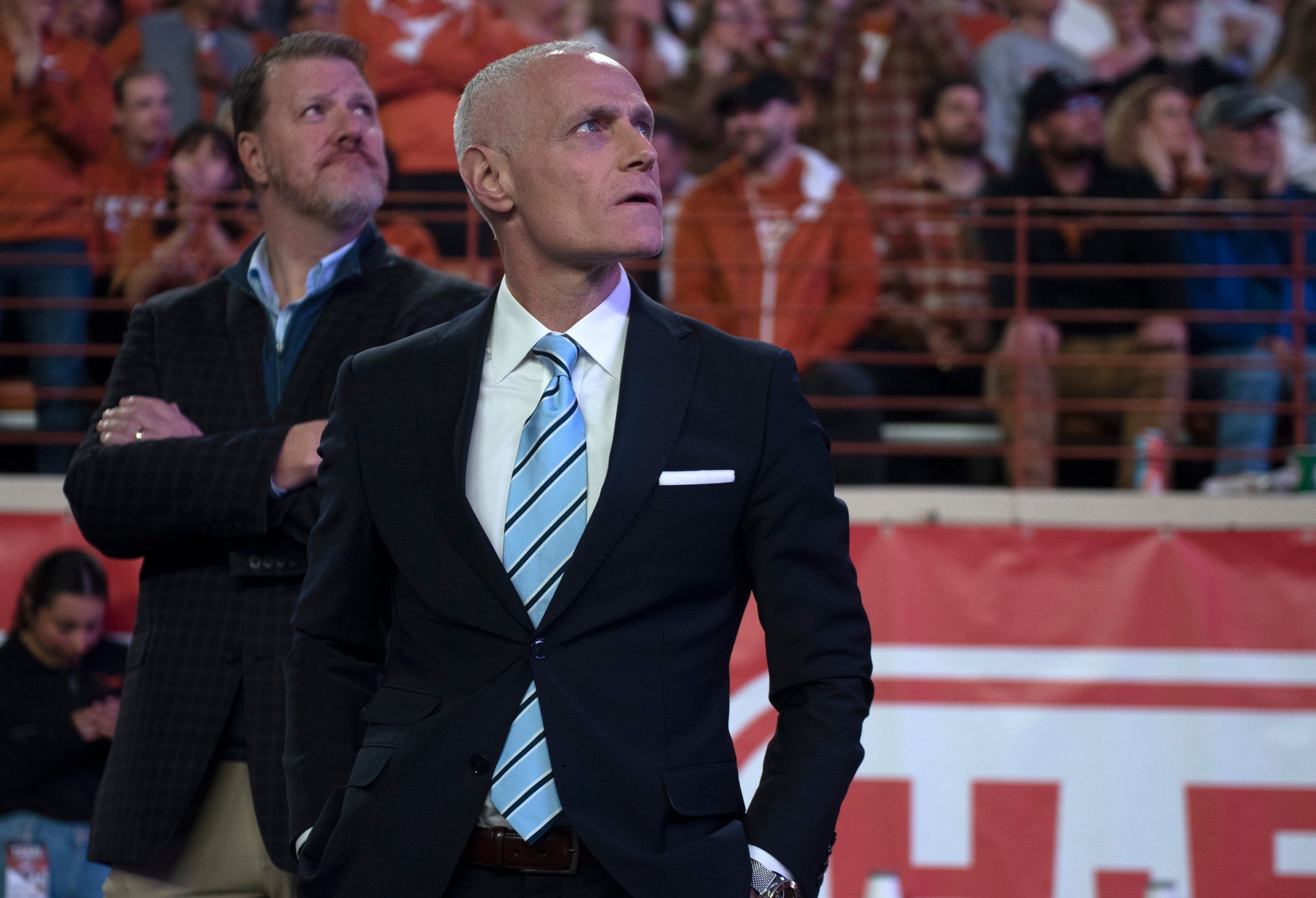
The world of college sports continues to evolve in the aftermath of Ed O'Bannon's class-action lawsuit. The Fair Play Act has led to the development of Name, Image, and Likeness (NIL), massive conference realignment, and now, possible private equity investments.
The Big 12 is now considering allowing up to 20 percent investments from private equity groups. While an influx of $1 billion into the Big 12 must be attractive, we dive more into this slippery slope.
Big 12 Considering $1 Billion in Private Equity Investment
What could possibly go wrong with an entire conference running as a corporation? Well, with student-athletes and employees working at public institutions, the concept simply doesn't work unless the private equity firm has no interest in what happens with its money. If it seems far-fetched that any equity group wouldn't care about how its $1 billion is invested and the return on it, then we're in the same boat.
Despite this, Dennis Dodd of CBS Sports has reported the Big 12 is considering a deal with a Luxembourg-based firm to bring in a gigantic pool of money to the conference. This is unprecedented in collegiate sports, which is quickly catching up to professional leagues with its chase of funding.
Per Dodd: "On the table is a possible cash infusion of $800 million to $1 billion from Luxembourg-based CVC Capital Partners in exchange for a 15% to 20% stake in the league, those sources said. A portion of the money would go directly to the 16 conference members, and the partnership would give the conference access to CVC's investment services and clients."
College sports fans deserve to be free of worry that wealthy, uncaring appointees are making financial decisions about their favorite programs. The conflict of private funding and government-appointed figures is as blatant as it seems at face value. Also, how these investments are allocated throughout each program should bring significant concern for boosters and fans, as the line of discrimination is sure to become an issue.
How Private Equity Investment Effects Big 12
Revenue sharing with players is coming after last month's House vs. NCAA settlement being reached. In the wake of this, all leagues are in the arm's race for funding. Growing TV deals after conference realignments will only continue to swell, and the possible private equity deals brings more money to players and programs.
Florida State athletic director Mike Alford predicted this would happen, saying the future includes private equity. Of course, FSU has already partnered with a global equity group already as they try to increase the program's value so the SEC or Big Ten pick them up.
None of this is what's best for the collegiate landscape, tradition, history, or stakeholders below C-suite-level positions within programs. Sure, players make more money as the sport maximizes revenue, but the potential fallout once things flatline a bit or a power-wielding firm loses money could be catastrophic.
Then, there's also the dilemma of the ethical concerns of where the money is coming from. The NFL has flirted with opening the door for foreign investments into franchises, and it seems inevitable every sports league will one day embrace the monetary value of letting Saudi Arabia specifically enter the market.
Saudi Arabia has bought its way throughout soccer and golf, and America's other sport leagues will surely be the eye of their funds should the opportunity arise. Again, some won't care since the rich get richer, but this is the tip of an iceberg that can quickly grow rot.
College Football Media Rights Earnings
The current media rights deal for Big 12 teams with Fox and ESPN will bring them $31.7 million each until 2031. When you factor in the financial support from private equity, these combined revenue streams could bring the Big 12 much closer to the media rights deal garnered by the Big Ten.
According to Dodd, the Big Ten is currently at the top, with its member schools expected to earn around $75 million annually under a new media rights agreement with Fox, CBS, and NBC. (Oregon and Washington will not receive full shares initially as they join the league on July 1.)
