
Josh Heupel and former Vols OC Alex Golesh have same view of potential new NCAA rule and how it could impact offenses
College football is expected to soon allow in-helmet communications from the coaching staff to players on the field. The idea is that allowing coaches to communicate with a designated player on the field (presumably the quarterback on offense and whoever makes the calls on the field on defense) will cut down on programs stealing signals […]

College football is expected to soon allow in-helmet communications from the coaching staff to players on the field.
The idea is that allowing coaches to communicate with a designated player on the field (presumably the quarterback on offense and whoever makes the calls on the field on defense) will cut down on programs stealing signals from opponents.
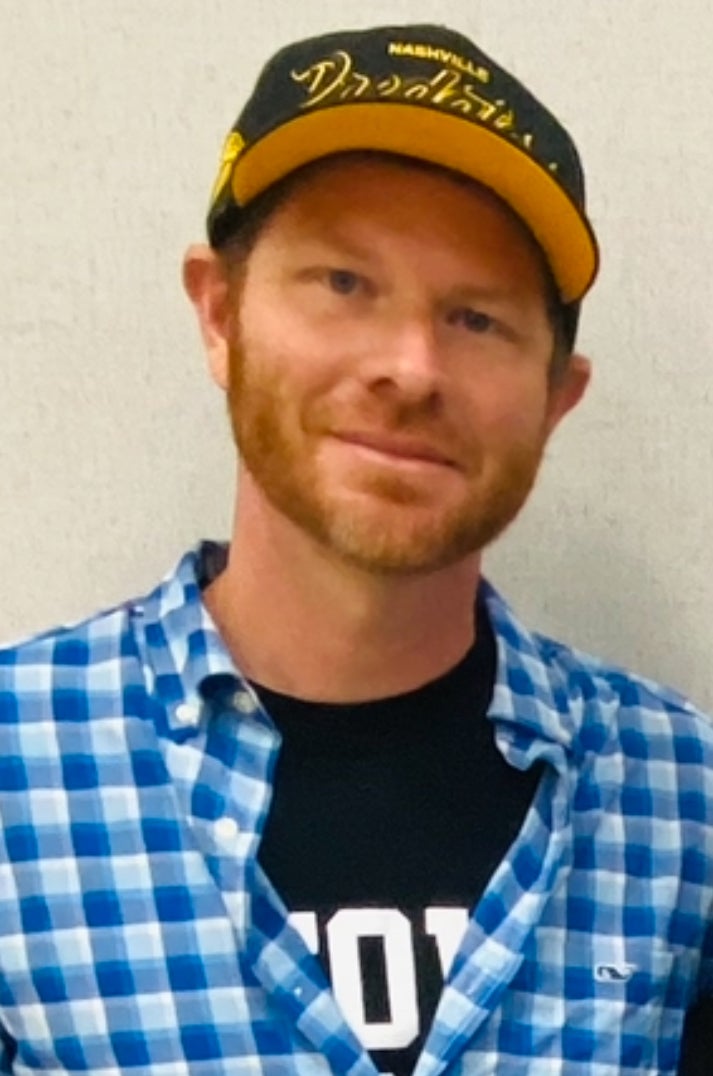
Former Tennessee Vols offensive coordinator Alex Golesh, who is now the head coach at USF, recently joined McElroy and Cubelic In The Morning and he was asked if in-helmet communications can help college football teams that run an up-tempo offense (like the offense Golesh runs at USF and what Tennessee runs under Josh Heupel).
"There are certainly ways you can use it to help," said Golesh. "I think we're all going through the same thing this spring where we're trying to figure out the best way to do it. I think it's one of those things that it's so new — and I think guys in our profession are honestly trying to keep everything guarded in terms of 'how are we going to use it'?"
"I think certainly defensively it can help in a huge way," continued Golesh. "Because you can reduce the amount of signaling going on. Offensively, my biggest fear is slowing us down. And so we're going to toy with it. We're going to play and see if we've got a way to speed it up. If we can go even faster I would certainly take advantage of it."
Heupel and the Vols will essentially be going through the same thing that Golesh and USF will be going through this spring — trying to figure out if it's worth ditching sideline signals for in-helmet communications.
Having just one player on the field that's able to communicate with the coaches doesn't really help teams that run an up-tempo offense. In fact, it would likely just slow things down because the quarterback would then have to relay the call to the rest of the team — instead of everyone getting the signal from the sideline at the same time.
I'm sure Golesh and Heupel, and the other teams that run tempo, will find a way to utilize the in-helmet communications to talk with the quarterback on the field to explain what they might be seeing from the press box. But otherwise, it seems unlikely that teams that run tempo will use the in-helmet communications to call plays (except in some unique situations).
Update:
On Thursday, Heupel joined On3's The Hard Count with JD Pickell and he was asked about using the in-helmet communications.
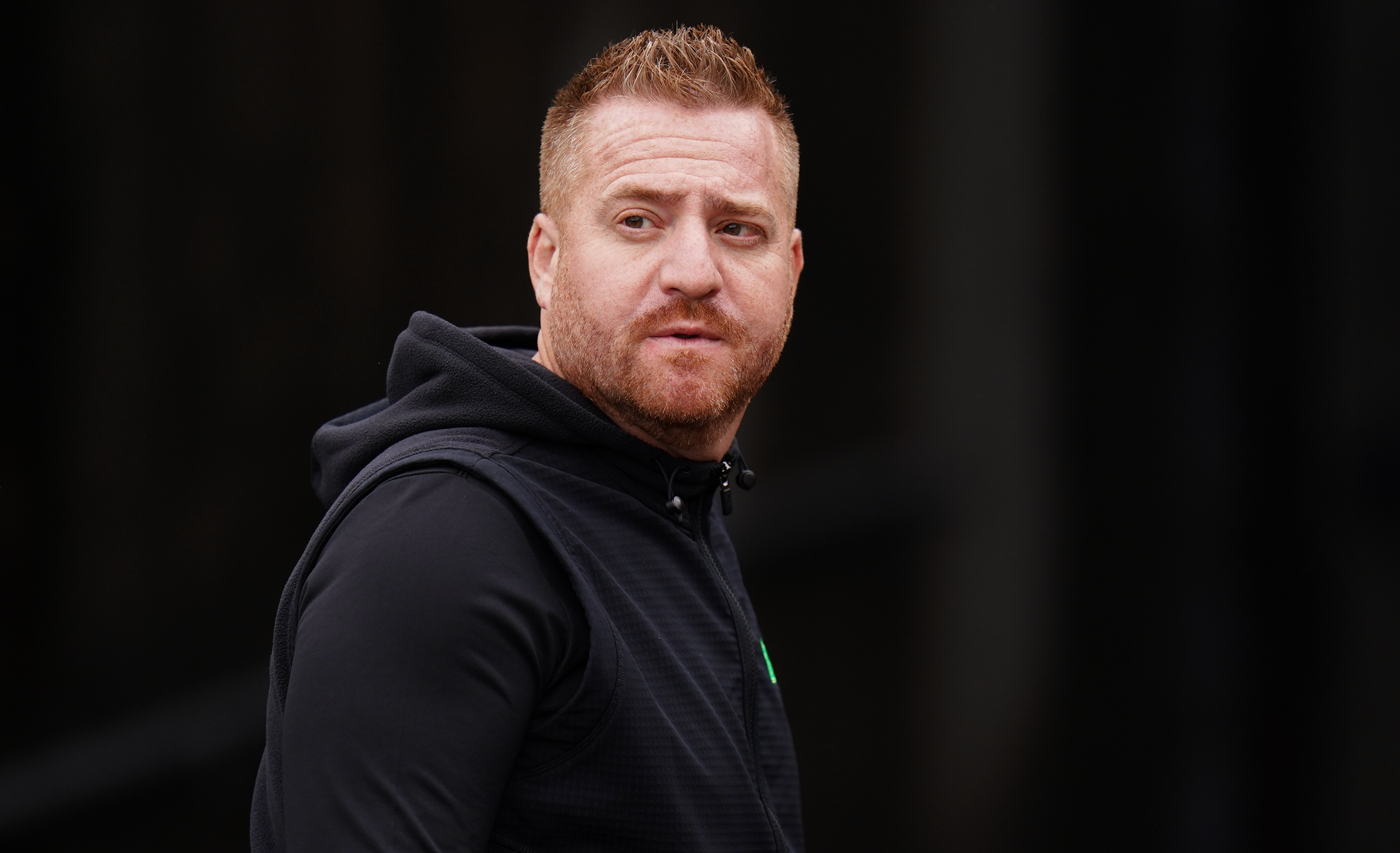
Heupel essentially had the same take as Golesh — it's something that the Vols will experiment with in the spring. But operating quickly and efficiently will still be the main goal for Tennessee, which means the Vols will likely utilize whichever play calling system allows them to operate the quickest and most efficient.
“That’s something I think we are going to experiment with through the course of spring," said Heupel. "And find out how to best operate and function within that direct communication with the quarterback, your skill players being able to communicate and get lined up quickly. At the end of the day, we always want to play efficiently. It’s not necessary a set target of when we want to snap the ball — it’s making sure we are operating as efficiently as we can between plays as we are in our tempo so we can apply pressure to the defense.”
