
Recent college football news suggests that Tennessee narrowly avoided disaster earlier this summer
When the Tennessee Vols learned earlier this summer that they wouldn't be hit with a postseason ban as a result of the recruiting violations that occurred under former head coach Jeremy Pruitt, there was a sense of relief from the UT fan base. A bowl ban wasn't expected for the Vols, but the wildcard nature […]


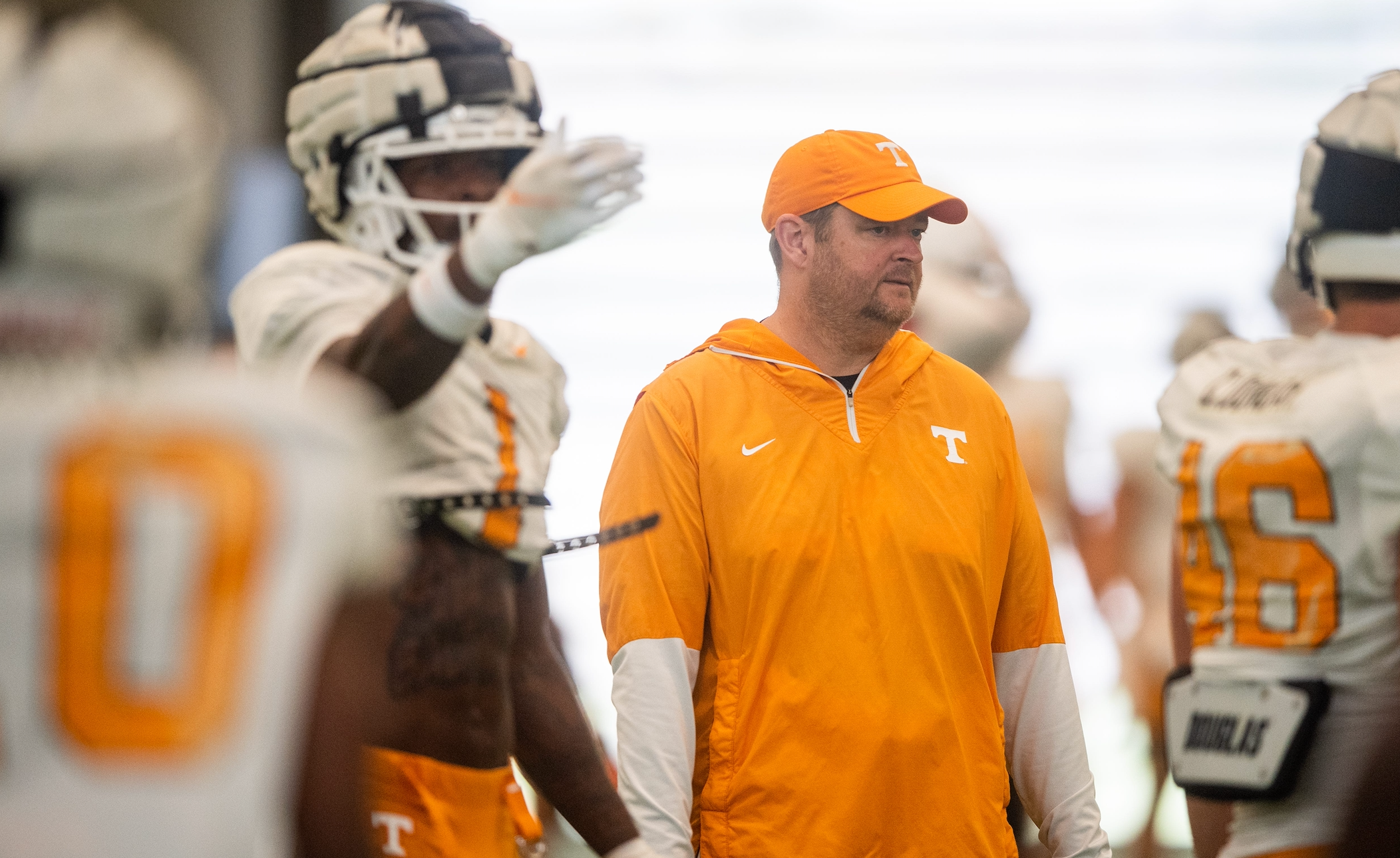
When the Tennessee Vols learned earlier this summer that they wouldn't be hit with a postseason ban as a result of the recruiting violations that occurred under former head coach Jeremy Pruitt, there was a sense of relief from the UT fan base.
A bowl ban wasn't expected for the Vols, but the wildcard nature of the NCAA had fans at least a bit concerned.
After the penalties were announced, a narrative seemed to form that this is the NCAA's new way of doing business (not punishing student-athletes with a bowl ban who had nothing to do with violations).
That narrative essentially cheapened the hard work that Tennessee athletic director Danny White and the rest of UT's administration — specifically chancellor Donde Plowman, who is ultimately responsible for how UT handled the violations with the NCAA — did to ensure that the Vols wouldn't be hit with a postseason ban.
Major college football news that went down earlier this month, however, shows that Tennessee's hard work was absolutely necessary to avoid a bowl ban.
On Sunday, ESPN's Pete Thamel reported that Arizona State is self-imposing a one-year bowl ban as a result of recruiting violations that occurred under former head coach Herm Edwards.
Many of the violations, such as recruiting during the COVID dead period, were similar to the violations that occurred at UT under Pruitt.
Arizona State is expected to face additional penalties from the NCAA.
From ESPN: The fairness of punishing those not connected to the alleged violations has emerged as a hot-button issue. Arizona State's decision to self-impose this punishment hints at the severity of what is expected to be alleged by NCAA enforcement. There is expected to be additional punishment coming for the Sun Devils — whose nine major NCAA violations exceed that of any other major conference school — and the individual coaches who are under investigation.
Thamel noted in his story that Arizona State's athletic department doesn't have the same financial resources as Tennessee. That's relevant because UT was hit with an $8 million fine in lieu of a bowl ban.
The speculation is that Arizona State is taking the bowl ban because they can't afford a fine similar to the one that Tennessee received.
It's clear that the NCAA is still using their power to punish innocent student-athletes. The fact that Tennessee was able to avoid a bowl ban isn't because of a more lenient approach from the NCAA. Instead, it's because the folks in charge at Tennessee perfectly handled a tough situation
Did the press conference admitting to violations help?
There was some debate about the press conference announcing Pruitt's dismissal that Plowman held in early 2021 and whether it helped or harmed Tennessee's case.
After seeing what's happening at Arizona State, I think it's obvious that it helped. Quickly owning up to the mistakes publicly, firing Pruitt, and making an effort to work with the NCAA is the key reason why Tennessee didn't receive what would've been a disastrous postseason ban.
Without the quick action from Plowman, maybe Tennessee is sitting in the same position as Arizona State. There's obviously no way to know for sure, but one thing we do know is that the Vols can play in a bowl game this winter while the Sun Devils can't, despite committing similar violations.

Featured image via Caitie McMekin/News Sentinel / USA TODAY NETWORK