
The SEC just made college football tougher — a big-time schedule shakeup is coming in 2026
On Thursday, the presidents from the Southeastern Conference voted into effect a groundbreaking change for 2026. The country’s toughest and deepest league has decided to implement a nine-game conference schedule starting next season. And yes, it will remain a single-standings, non-divisional structure.After years of debate, the SEC is set to expand its league slate, ensuring […]


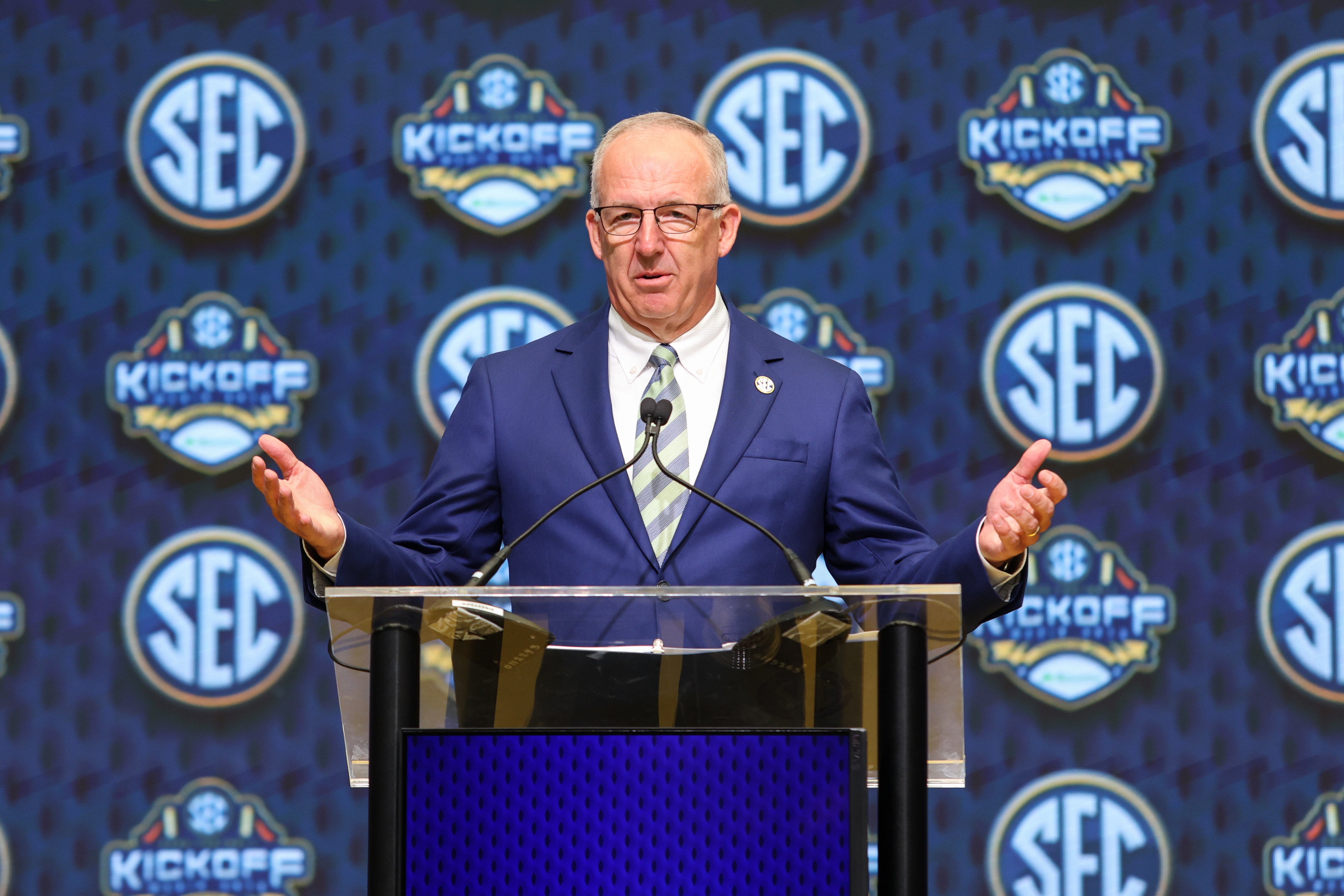
On Thursday, the presidents from the Southeastern Conference voted into effect a groundbreaking change for 2026. The country’s toughest and deepest league has decided to implement a nine-game conference schedule starting next season. And yes, it will remain a single-standings, non-divisional structure.
After years of debate, the SEC is set to expand its league slate, ensuring even more marquee matchups and raising the stakes across college football’s most powerful league. The change means every team in the SEC will now play nine league opponents per season instead of the current eight. Furthermore, teams will now be required to schedule at least one additional high quality non-conference game from the ACC, Big Ten, Big 12, or Notre Dame each season.
On the surface, it seems like a small tweak, but the ripple effects could be massive. For one, fans can expect to see more high-profile games every single season, year in, year out. Matchups which once rotated once every six or seven years will now come around much more frequently. That means Alabama and Florida, or Georgia and Texas, will collide on a regular basis instead of waiting nearly a decade for those showdowns.
For the SEC, this move is about keeping pace with the evolving landscape of college football.
With the College Football Playoff expanding to 12 teams, strength of schedule is paramount when the selection committee sits down to pick the field. Adding an extra league game provides teams with yet another opportunity to build a postseason résumé while also increasing the entertainment value every Saturday.
Of course, the nine-game model isn’t perfect. Some coaches have raised concerns about roster fatigue and the grind of facing yet another SEC opponent. Unlike other leagues, there are no “easy” weeks in this conference due to the high level of play and depth of elite programs and growing brands who are on the cusp of turning the corner.
Every program, from the powerhouse programs like Georgia and Alabama to the rising contenders like Ole Miss and Missouri, understands an additional conference game could mean the difference between making the CFP or missing it entirely.

The SEC also stands to benefit financially.
More conference games means more must-watch television matchups, higher ticket demand, and even higher stakes for fan engagement. For programs, it’s a chance to showcase their brand on the biggest stages more often and in some of the best college towns in the country – helping small businesses, generating revenue for local economies, and bringing more tourist dollars.
For fans, though, even more so this is a dream come true. The addition of Texas and Oklahoma already promised to shake up the SEC’s traditional hierarchy, and now the nine-game schedule ensures even more fireworks. Saturdays in the SEC just became even more unpredictable, and in a league where “it just means more,” the competition level is about to rise to an all-time high.
Here’s the best news. Each program in the conference will play three annual opponents – focusing on maintaining current rivalries and traditions. Each school’s remaining six games will rotate among the remaining conference schools. And, each team will face every other SEC program at least once every two years and every opponent home and away in four years.
It just means more, indeed.
