
Five dark-horse candidates who could shake up Penn State’s coaching search
Penn State’s coaching search has centered on a handful of big-name favorites, but the real intrigue lives deeper down the list.


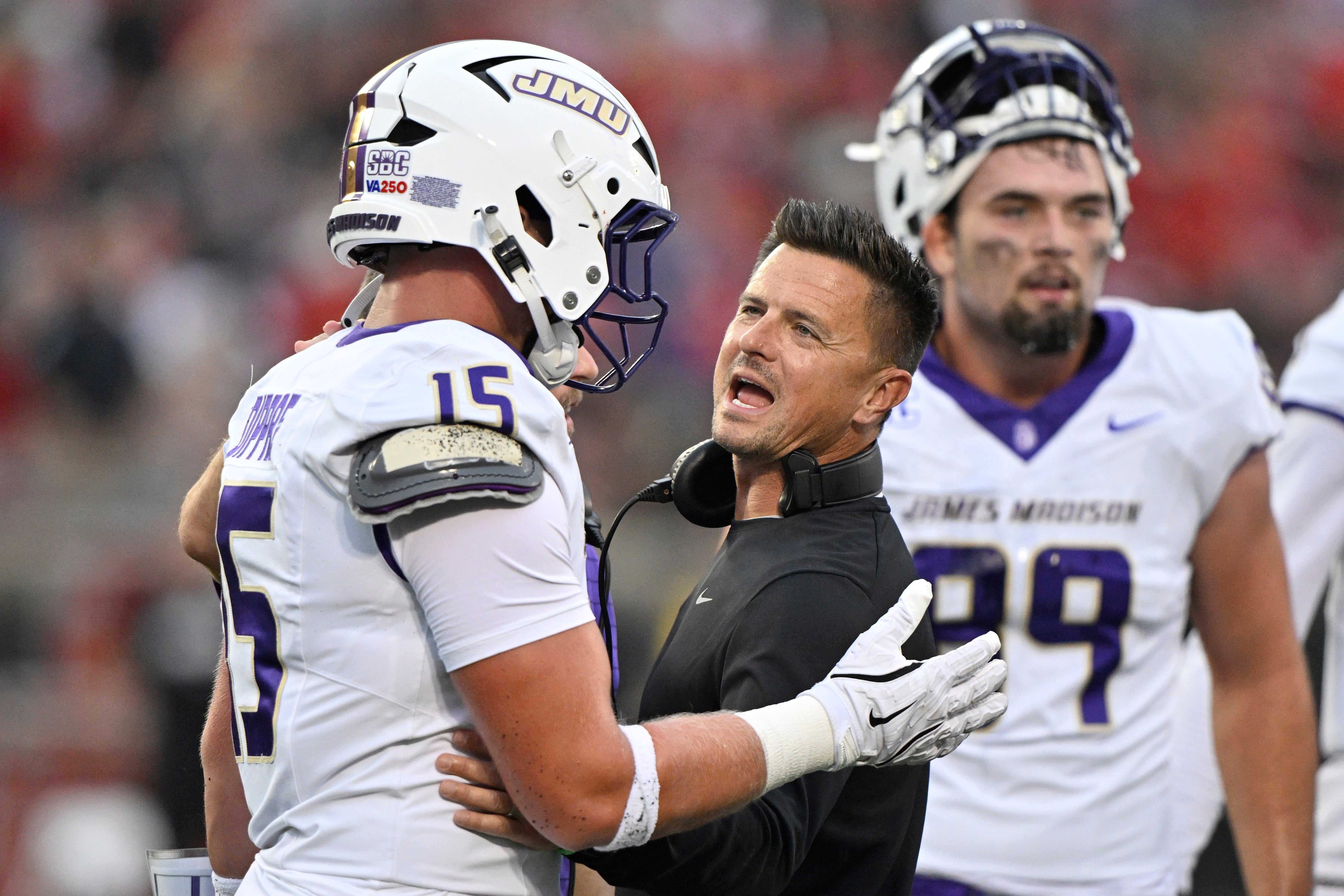
Since Penn State closed the James Franklin chapter of their program’s story, the vacancy in Happy Valley has represented far more than a routine hiring cycle—it’s been a tense moment that demands a coach who can reconstruct the program’s culture, eliminate the gap in elite-level victories, stabilize recruiting pipelines, and perform under relentless scrutiny. While the betting favorites dominate headlines and social media speculation, the dark-horse candidates often deliver the most transformative hires, as programs discover that the unexpected choice can generate greater impact than the consensus pick. Here are five names flying below the radar right now, each bringing a distinct competitive advantage that could make them the surprise architect of Penn State’s next era.
Who fits the sleeper profile
- Bob Chesney: A high-value gamble. Regional ties, program-building resume, and less salary baggage.
- Clark Lea: A coach who’s quietly elevated Vanderbilt; the fit and timeline look realistic if PSU wants immediate lift.
- Brent Key: Young, energetic, more accessible — could appeal to boosters looking for “the next wave.”
- Will Stein: A coordinator with Big Ten familiarity. Could be the staff move that becomes the head move.
- Alex Golesh: The high-ceiling play. Lesser known now, but if PSU envisions a longer build with big upside, he fits.
1. Bob Chesney (James Madison Dukes)
James Chesney is quietly emerging in Penn State coaching discussions as a high-upside option, according to Nittany Sports Now, bolstered by his regional familiarity with the Northeast and Mid-Atlantic that could unlock Pennsylvania recruiting pipelines while offering a more cost-effective alternative to marquee names and injecting fresh energy into the program. However, his Group of Five background presents inherent risk, as his success at that level remains unproven in the high-stakes environment of a historic Power Five program like Penn State, where expectations, resources, and competitive pressures operate on an entirely different scale that could expose gaps in his readiness for such a demanding position.
2. Clark Lea (Vanderbilt Commodores)
Clark Lea has been spotlighted by multiple outlets as an emerging candidate, with PFSN describing him as “quietly emerging as one of the nation’s top program builders,” and his appeal centers on proven ability to elevate programs, strong regional recruiting ties, and culture-building expertise that aligns with Penn State’s needs. However, the substantial risk lies in the contextual difference between his current role—constructing a competitive foundation at historically struggling Vanderbilt—and inheriting a program like Penn State that carries blue-blood expectations, existing infrastructure, and pressure to compete immediately for championships rather than simply showing incremental improvement over multiple seasons.
3. Brent Key (Georgia Tech Yellow Jackets)
Brent Key has emerged in blogs and Reddit discussions as a sleeper candidate, offering youthful energy, an appealing profile, and potentially more favorable terms regarding institutional buy-in and financial commitment compared to established coaching names. However, his limited track record at Georgia Tech raises concerns about whether he possesses the proven ability to sustain championship-level contention that Penn State demands, making him a higher-risk option for a program that needs immediate competitive results rather than a multi-year rebuilding project under an unproven leader at this tier of college football.
4. Will Stein (Oregon Ducks Offensive Coordinator)
Will Stein, Oregon’s offensive coordinator, has been identified in Sports Illustrated reports as a potential target if Penn State’s pursuit of marquee names falls through, bringing valuable Big Ten familiarity through Oregon’s conference schedule and personnel exposure along with demonstrated offensive creativity that could modernize the Nittany Lions’ attack. However, his complete absence of head-coaching experience presents the familiar risk of promoting a coordinator to lead a flagship program, as the transition requires mastering recruiting, program management, media responsibilities, and cultural leadership—dimensions that remain untested in his résumé and could make Penn State hesitant to entrust him with such a high-stakes position without prior proof he can handle the comprehensive demands beyond play-calling.
5. Alex Golesh (South Florida Bulls Head Coach)
Alex Golesh, currently leading South Florida, appears less frequently than candidates like Chesney or Lea but has gained traction in fan discussions and draft-board lists on Reddit as an intriguing option, offering the appeal of a younger coach with a rising profile who could represent a longer-term investment in Penn State’s future. However, his smaller profile and limited track record at this level make him more of a speculative “bet on future potential” than a “win now” hire, creating tension with Penn State’s immediate need for results and raising questions about whether the administration has the patience to allow a developmental coach to grow into the role while the program potentially struggles through a transitional period that fans and boosters may not tolerate.
What the dark horse hire would signal
Candidates like Drinkwitz and Hartline bring recognizable names, established pedigrees, and presumably substantial buyouts, but Penn State’s future may ultimately hinge on prioritizing value, coaching growth potential, and authentic culture fit over media-generated hype, as a dark horse hire could offer lower financial risk, faster institutional buy-in, and the fresh energy that a restless fanbase desperately craves. This approach signals a value-driven philosophy that emphasizes strategic investment over inflated spending, modernization through innovative schemes and agility in navigating NIL and transfer portal complexities, and a long-term vision focused not merely on immediate wins but on building sustainable competitive relevance that positions Penn State for consistent excellence rather than cyclical disappointment. The question becomes whether the administration possesses the courage to embrace a less obvious candidate whose upside potential and cultural alignment might ultimately deliver greater dividends than simply chasing the biggest name available on the market.
Don’t assume the next Penn State coach will arrive via tabloid splash and heavy odds. Sometimes the better story is the one you didn’t see coming. If PSU’s next hire comes from this dark horse class, it won’t be because they lacked options. It’ll be because they chose ambition over expectation — and value over headline.
