
Abdul Carter leads fascinating list of Year 2 NFL players who could explode during 2026 season
Players drafted in 2025 are massive for teams’ plays heading into this new season, and their performances could dictate who’s winning the Super Bowl.


NFL rosters have a massive turnover every year. With the necessity of generating surplus value in a salary-capped league, adding impactful players with a controlled cost is huge to create a complete team.
That’s why pieces who are not rookies anymore, but are still on their rookie contracts are so important. They have some level of NFL experience, but are still inexpensive enough to generate more surplus.
So, let’s discuss some players drafted in 2025 who can take significant leaps this year and help their teams reach new levels — even if not all of them have the potential to become a Super Bowl contender.
RT Armand Membou, New York Jets
Membou started at right tackle from the get go, playing 1,044 offensive snaps as a rookie. He was above average from the jump, allowing 33 pressures with a decent 96.6 pass-blocking efficiency. The rookie allowed eight sacks and had 11 penalties.
There are fair question marks over the coaching staff with new offensive coordinator Frank Reich, who didn’t maximize his units lately, and the Jets kept offensive line coach Steve Heiden. Nonetheless, the 6-4, 332-pound right tackle has the potential to take a leap and become a real All-Pro candidate in Year 2 due to his physical ability and body control. It’s not easy to start at tackle as a rookie, and the fact that Membou survived it (and more) is a clear indication of his potential.
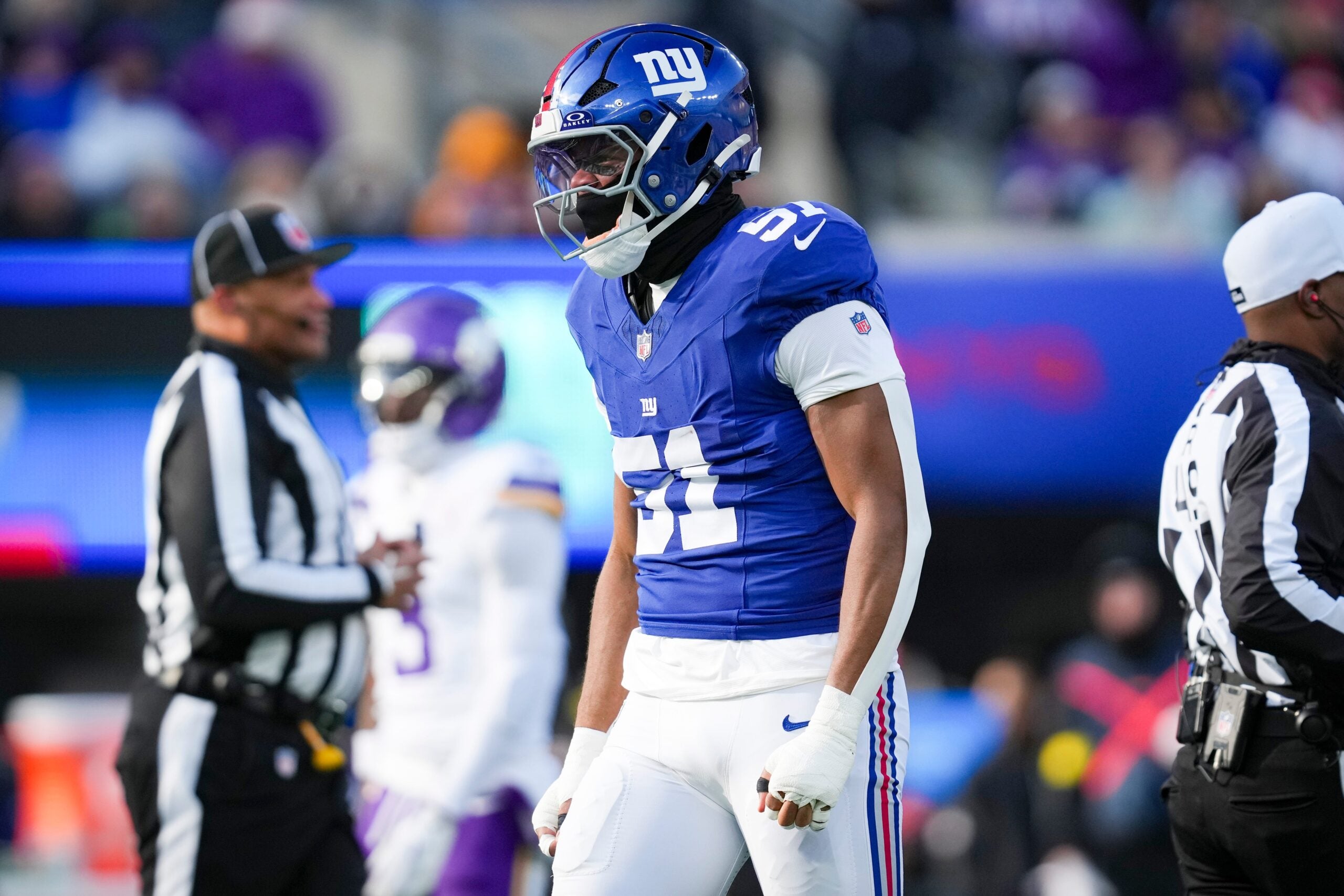
EDGE Abdul Carter, New York Giants
This may be cheating because Carter was always an elite prospect, but he played better than his raw numbers as a rookie would indicate. The edge defender generated 66 pressures but had only four sacks, an indication that he can become more impactful even with a similar performance level in 2026. Carter is only 22, he’ll be 23 by October, so you can obviously see where this is going.
TE Tyler Warren, Indianapolis Colts
There’s a perception that Warren can’t block, but he was an average blocker to say the least as a rookie. His PFF pass-block grade was 64.2, significantly better than Colston Loveland’s 46.0 — even though the Chicago Bears’ weapon was more efficient as a receiver, both surprising outcomes. Still, Warren was a high-level pass-catcher, with 817 yards, four touchdowns, 1.63 yards per route run, and a 98.7 passer rating when targeted.
Without Michael Pittman in the fold, Warren becomes even more impactful for the Colts’ passing game. Tight ends may take some time to fully develop as NFL players, and a leap in 2026 wouldn’t surprise.
WR Tre Harris, Los Angeles Chargers
Harris was perceived as a raw, developmental wide receiver in last year’s draft process. As a rookie, he was fine — 324 yards, 1,1 yards per route run, 89.7 passer rating when targeted, a receiving touchdown. But without Keenan Allen in the mix and keeping his development trajectory, Harris has the potential to become a primary weapon for Justin Herbert. With a great quarterback and new offensive coordinator Mike McDaniel in town, the 6-3, 210-pound receiver has an enticing ceiling.
RB Bhayshul Tuten, Jacksonville Jaguars
With Travis Etienne out of the equation after leaving in free agency, Tuten has a clear path to become a starting running back for the Jaguars. The team did sign Chris Rodriguez Jr. and Ameer Abdullah in free agency, but Tuten has the inside track to have more carries. As a rookie, Tuten had 3.22 yards after contact per attempt, above rookies like Quinshon Judkins, Ashton Jeanty, and Cam Skattebo. He didn’t add much as a receiver, but his role as a pure runner is enough to project value.
This offseason, the Jaguars added former Tampa Bay Buccaneers offensive line coach Brian Picucci as a run game coordinator, so hopefully for Jacksonville the rushing environment gets better.
