
Packers’ second-round cornerback gamble on Brandon Cisse backed by encouraging NFL Draft history over past decade
There’s a reasonable trend of solid cornerbacks in that range of the draft, and the ceiling is what the Packers are looking for.


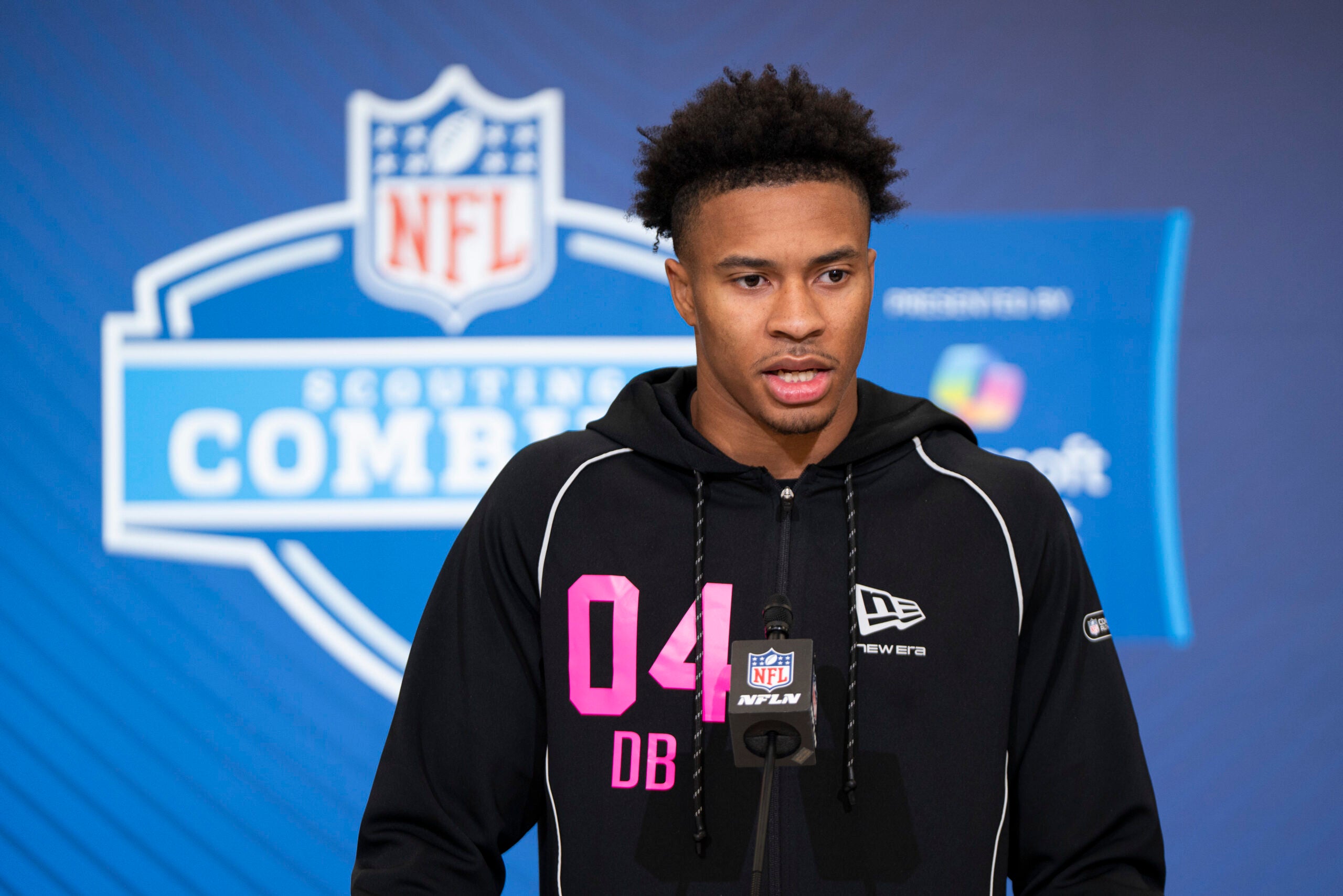
The Green Bay Packers selected cornerback Brandon Cisse in the second round of the 2026 NFL Draft, and the move raises a fair question about the value of drafting cornerbacks at that spot.
The Packers lacked a first-round pick after trading it to the Dallas Cowboys to acquire Micah Parsons, which meant Green Bay treated its second-round selection as a de facto first-rounder. The data from the past decade suggests the strategy has real merit, even if the Packers’ own history at the position in Round 2 has been rough.
The Packers’ past failures need context
Green Bay has two notable recent misses drafting cornerbacks in the second round: Kevin King in 2017 and Josh Jackson in 2018. But each case deserves its own explanation. King was selected in the final season of Ted Thompson as general manager, and the Packers had actually traded down from the first round to take him. He would have been the pick in Round 1 regardless. Jackson was a different proposition entirely. The Packers had already drafted Jaire Alexander in the first round that year, and Jackson was a value play on a player expected to go earlier who fell on draft night.
Those were different realities from what general manager Brian Gutekunst is running now, and lumping them together with the Cisse selection oversimplifies the comparison.
The second-round ceiling is real
Between 2016 and 2025, a total of 49 cornerbacks were drafted in the second round. Seven of them became Pro Bowlers, and the list of quality NFL starters is substantial: Xavien Howard, James Bradberry, Carlton Davis, Jaylon Johnson, Trevon Diggs, Joey Porter Jr., and Cooper DeJean. Several others became solid long-term starters, including Chidobe Awuzie, Byron Murphy, Tyson Campbell, Kyler Gordon, and others.
The ceiling for second-round cornerbacks is legitimately high. Players like Howard, Johnson, and Diggs all became CB1-caliber players during their NFL careers, with some earning All-Pro honors. That production comes at a fraction of the draft capital cost and salary cap commitment compared to first-round corners. Both in terms of draft investment and rookie contract value, the proposition is strong.
Talent drops off sharply after Round 2
Historical research shows the cornerback position quickly rebounds in talent after the first round, but then regresses significantly after the second. Finding viable cornerback play in the later rounds is genuinely difficult. The Packers have had some success there (Carrington Valentine became a starter as a seventh-round pick), but the team is actively trying to move on from him. The highest-ceiling players come in Round 1, a meaningful cluster of quality starters emerges in Round 2, and the hit rate drops considerably from the third round onward.
For a team without a first-round pick, grabbing a cornerback in the second round makes strategic sense because the chances of landing a viable or even high-level player remain significant.
The floor is lower, and that’s the trade-off
The biggest difference between first- and second-round cornerbacks is the floor. Second-round players fall for a reason. Sometimes teams draft for traits (size, speed, length, movement skills) without matching football production. Sometimes it’s the opposite, where the production is there but the physical tools are lacking. Because it’s often one or the other rather than both, those flaws get exposed at the NFL level.
The recent trend, however, is encouraging. Joey Porter Jr., Cooper DeJean, and Kamari Lassiter are all recent scouting successes from the second round, and Will Johnson from the Arizona Cardinals has shown promise when healthy, though it’s too early to draw conclusions there.
What this means for Cisse and the Packers
Cisse is only 20 years old, probably raw, but loaded with the physical tools to succeed in the NFL. That profile fits the Packers’ developmental approach perfectly. Gutekunst’s front office has consistently targeted players with elite traits and the intention of developing them over time. Cisse may not be an immediate contributor, and that’s fine. The Packers are banking on their scouting process and the historical data showing that second-round cornerbacks can become legitimate starters.
Green Bay has lacked high-end cornerback play since Jaire Alexander regressed, and the need is real. The floor carries risk, but the ceiling and the price tag make this a worthwhile gamble for a team building toward sustained contention.
