
Elite Alabama QB commit Elijah Haven just proved that the Crimson Tide might be playing a risky game regarding NIL and recruiting
Elite 2027 Alabama Crimson Tide quarterback commit Elijah Haven explained why he chose the Crimson Tide over others, and it proves that Alabama is playing a very different game when it comes to recruiting and NIL.


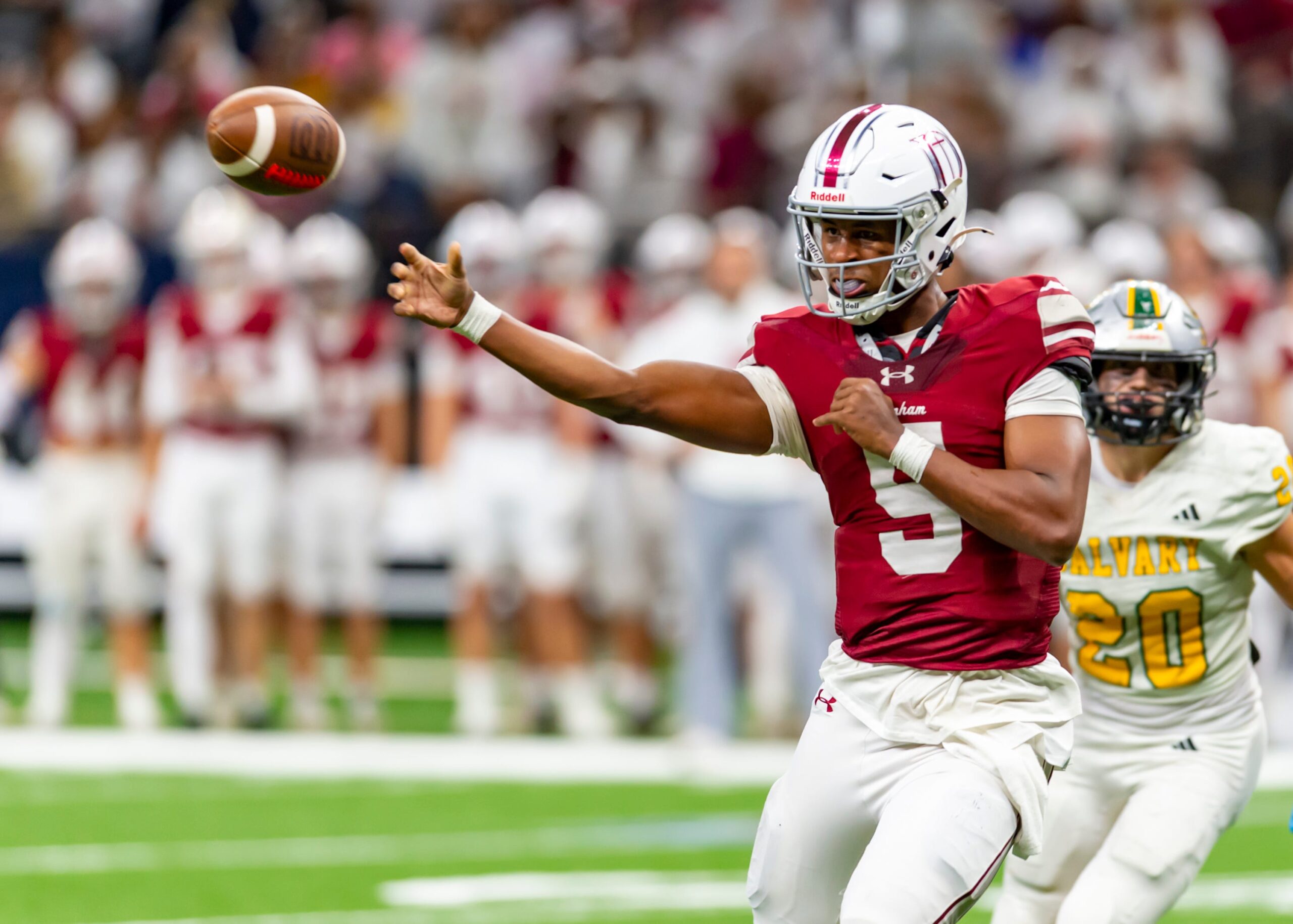
Alabama Crimson Tide 2027 quarterback commit Elijah Haven made something crystal clear with his recent comments: he didn’t choose Alabama because of NIL money. He chose the Crimson Tide because he believes Tuscaloosa is where he can develop best. And that one statement validates what we’ve known since Kalen DeBoer and director of recruiting Courtney Morgan took over the program. Alabama is not going to shell out the same NIL dollars as the other powerhouses in college football.
That’s a bold strategy, and it has generated plenty of discourse around the 2027 recruiting class.
Elijah Haven 2025 stats
- 73 total touchdowns.
- 72.3% completion percentage.
- 4,725 total yards.
Alabama is betting on itself
The truth is, some will argue the Crimson Tide simply don’t have the NIL war chest to compete with programs throwing massive bags at recruits. Others will argue Alabama is being extremely selective about who they’re willing to pay, both in the transfer portal and with high school prospects. The way I see it, it’s probably a combination of both.
Alabama will pay a premium for a 5-star quarterback like Haven. But Haven himself made it clear that the money wasn’t the deciding factor. He felt Alabama gave him the best path to reaching his ceiling as a signal-caller. From a quarterback development standpoint, he’s probably right.
Look at DeBoer’s track record. It stretches all the way back to Washington, where he developed Michael Penix Jr. into a Heisman finalist and top NFL Draft pick. Then he got to Alabama and worked with Jalen Milroe and Ty Simpson. Now the Crimson Tide are set to hand the keys to either Keelon Russell or Austin Mack. If you’re a quarterback looking for the best developmental environment in college football, Alabama has a legitimate case.
The risk shows up at other positions
The question becomes what Alabama is going to do at the other premium positions. We just covered the Monshun Sales situation, and the bottom line is this: if Alabama loses out on him, NIL money will be the reason. That’s the inherent tension in this approach.
Alabama is willing to bet on high-character players who want to be members of the Crimson Tide because they genuinely want to be there, not because of the size of the check. That philosophy sounds great in theory. It produces committed, culture-first rosters. But college football in 2026 and 2027 isn’t operating on theory. It’s operating on dollars, and programs with deeper NIL pockets are going to win some of these battles.
Will this strategy hold up long-term?
In my opinion, what Haven is saying represents exactly what Alabama should be looking for in most recruits. Players who are bought in, who chose the program for development and culture, tend to stick around and build something. The transfer portal has proven that players who chase money often chase it again when a bigger offer comes along.
However, there’s a difference between finding players who want to be at Alabama and losing out on elite talent because the financial package doesn’t measure up. DeBoer and Morgan are walking a tightrope. They need enough of those culture-first recruits to build a foundation, but they also can’t consistently lose top-tier prospects at skill positions to schools willing to write bigger checks.
It will take time to determine which strategy wins out. Alabama is playing a long game, and the 2027 class will be one of the first real measuring sticks for whether this approach can sustain championship-level recruiting in the modern NIL era.
