
The Detroit Lions are quietly changing everything, and four offseason shifts prove it
Detroit Lions are quietly reinventing themselves this offseason. Four major changes point to a team that could look nothing like the one opponents prepared for over the last three years.


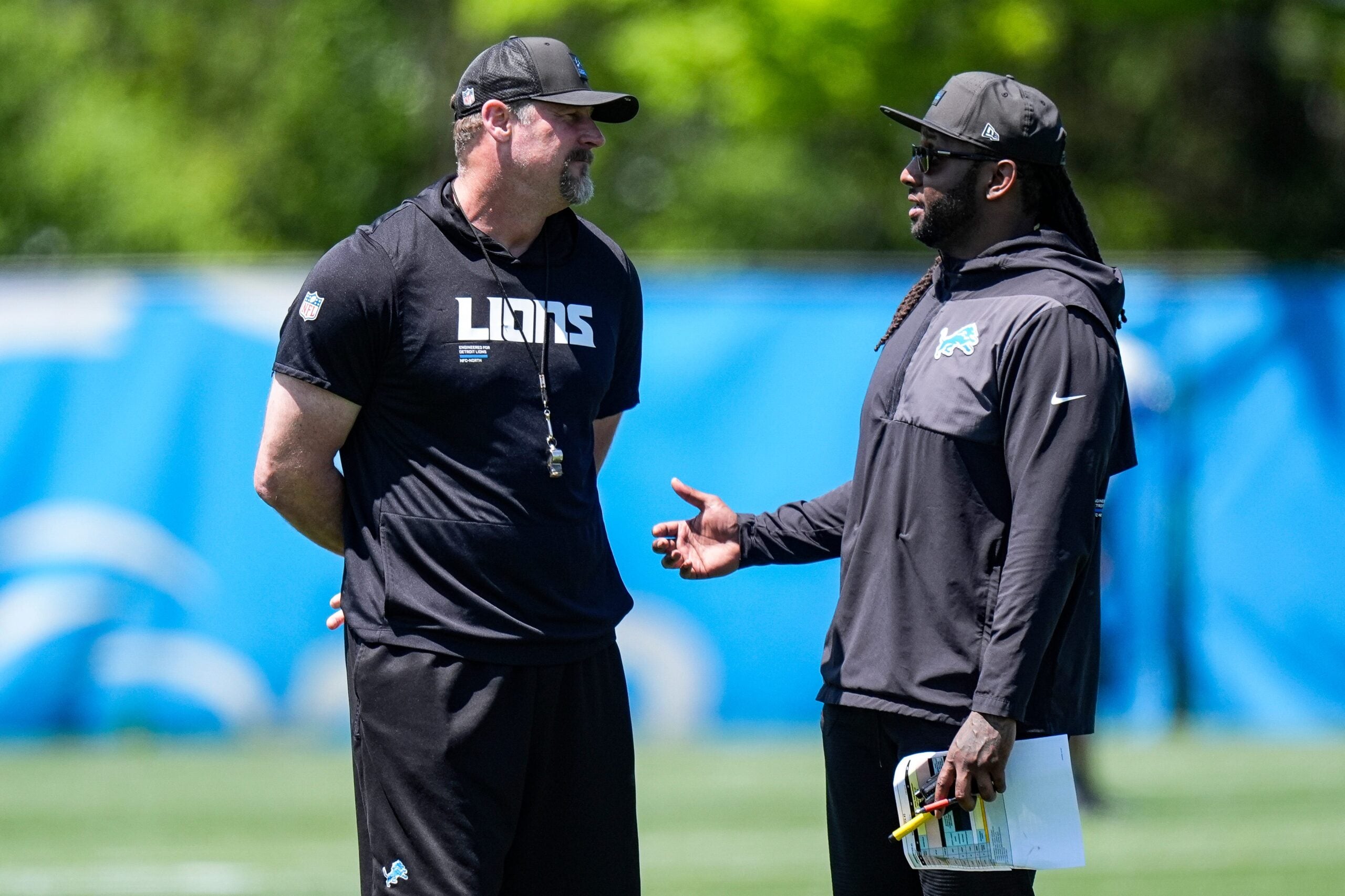
The Detroit Lions are not the same team they were a year ago, and that’s by design. After a 9-8 season that saw Detroit miss the playoffs for the first time since 2022, the organization has spent the entire offseason overhauling how it operates. Dan Campbell made it clear in his end-of-season press conference that things needed to change, and the Lions have followed through. No joint practices. No rookie minicamp. General manager Brad Holmes skipped the Annual League Meeting to focus on the 2026 NFL Draft. The draft itself looked like a return to form after a rough 2025 class. Now, with new coaches in the building, the schematic changes are coming into focus, and there are four that stand out.
Heavier offensive personnel groupings
For starters, the Lions are going to look a lot different on offense. Detroit has always been a run-first team, but new offensive coordinator Drew Petzing is bringing a heavier personnel philosophy with him from Arizona. With the Cardinals, Petzing led the NFL in both 13 personnel and 12 personnel usage. About 26% of Arizona’s offensive snaps were in 12 personnel, and 12.5% were in 13 personnel. Compare that to the Lions, who spent 62% of their snaps in 11 personnel last year. Look, some of this stuff is slightly overstated. You’re not going to see multiple tight ends on every snap, but you’re going to see it far more often than Detroit has done in the past.
Gap schemes create downhill opportunities
Those heavier personnel groupings open the door for something else: more gap scheme looks. Instead of stretching defenses horizontally with a wide zone, gap schemes create vertical displacement and downhill movement. Pair that with under center formations, bootlegs, and play action, and linebackers suddenly face impossible decisions. Step downhill against the run, or stay deep and risk giving up five yards before contact. Those hesitations create explosive passing windows. More importantly, gap schemes open up wider lanes for running back Jahmyr Gibbs to get into space where he does the most damage.
A deeper passing attack under Mike Kafka
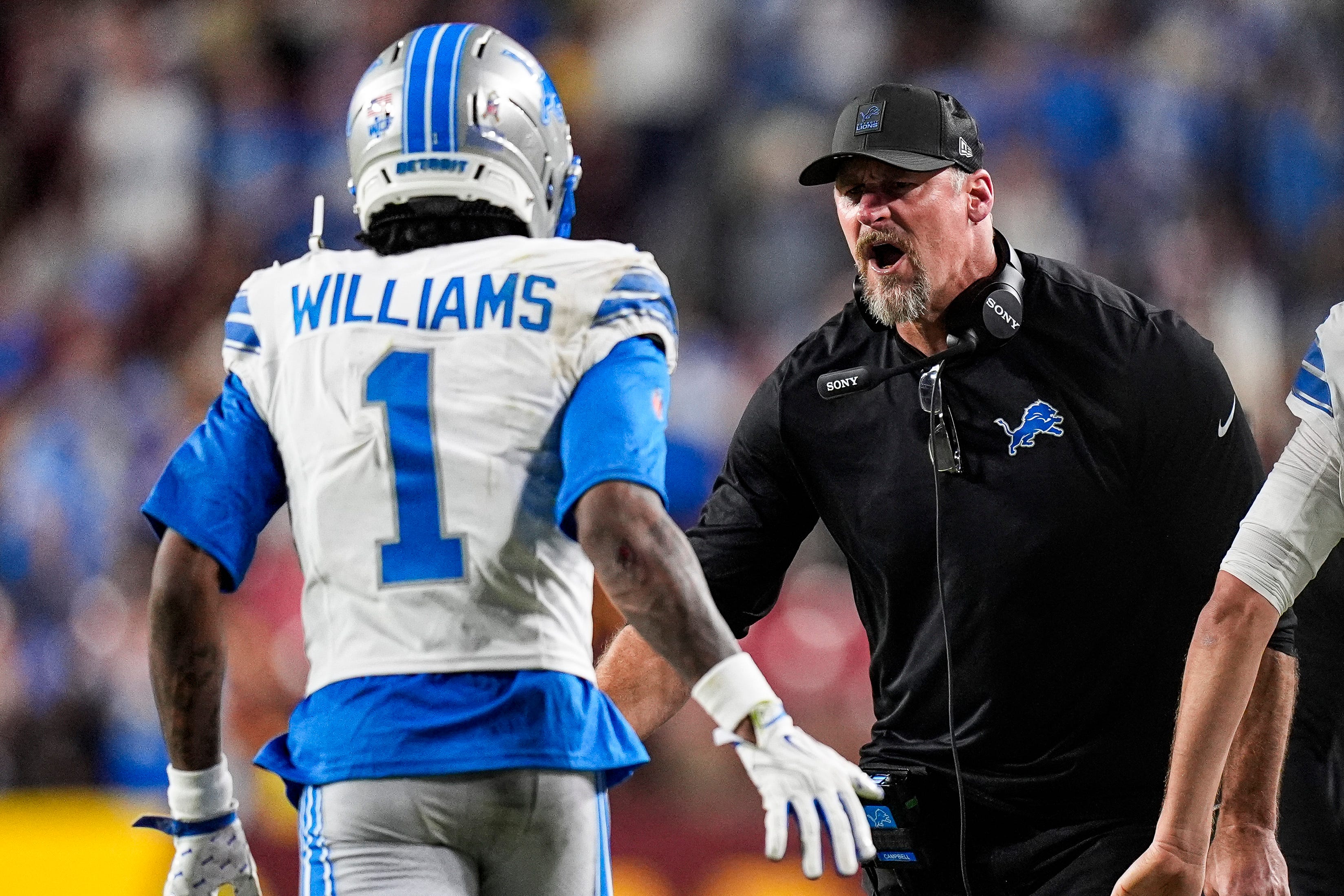
The explosive passing windows that heavy formations create tie directly into what passing game coordinator Mike Kafka brings to the table. Kafka helped make the New York Giants more of a deep-throwing team during his time there, and Detroit has made no secret about wanting to throw the ball deeper in 2026. The goal is conflict. Make defenses commit to stopping the run, then punish them over the top. That opens up opportunity for wide receiver Jameson Williams to get downfield and do his thing. Greg Dortch and Isaac TeSlaa give the Lions additional options to stretch the field. Those three offensive changes together should make this a fundamentally different unit.
A defensive identity shift toward nickel packages
On the other side of the ball, Detroit is making a major philosophical change. For years, the Lions leaned into being one of football’s heaviest base defenses. With Alex Anzalone on the field, the personnel fit. That’s changing. The defensive coordinator has talked throughout the offseason about installing multiple defensive packages that borrow from both 4-3 and 3-4 personnel while dramatically expanding what Detroit can do in the nickel. That matters because today’s NFL is played in subpackages. Some of the league’s most successful defenses spend close to 70% of their snaps in nickel. Detroit appears ready to join them. Instead of keeping three linebackers on the field, the slot defender becomes a much bigger part of the defense. That’s a huge shift.
The real takeaway
The biggest thing here isn’t that the Lions want heavier personnel or more nickel or more deep passes. It’s that Detroit appears far less interested in being predictable than it was a year ago. The 2023, 2024, and 2025 Lions knew exactly who they were. Run the football, play from base defense, out-physical opponents. The 2026 version wants to win in multiple ways. If one game calls for 13 personnel, they can do it. If another requires spreading the field, they can do that too. If an opposing offense forces nickel for 70% of the afternoon, they’re prepared.
After what happened during the 2024 and 2025 seasons, the Lions need adaptability more than anything. Adding these wrinkles puts opponents in a position where they’re facing a team they haven’t seen before. But it all has to work. The Lions still have to go out and execute this plan. We’re about a month and a half from the NFL season. Let’s see how it looks when the games start.

Detroit Lions News