
Former Packers exec reveals why Green Bay’s Micah Parsons trade may have been far more Packers-like than it first appeared
Former Packers salary cap manager Andrew Brandt talked with A to Z Sports about his book and several topics about his experience in Green Bay.


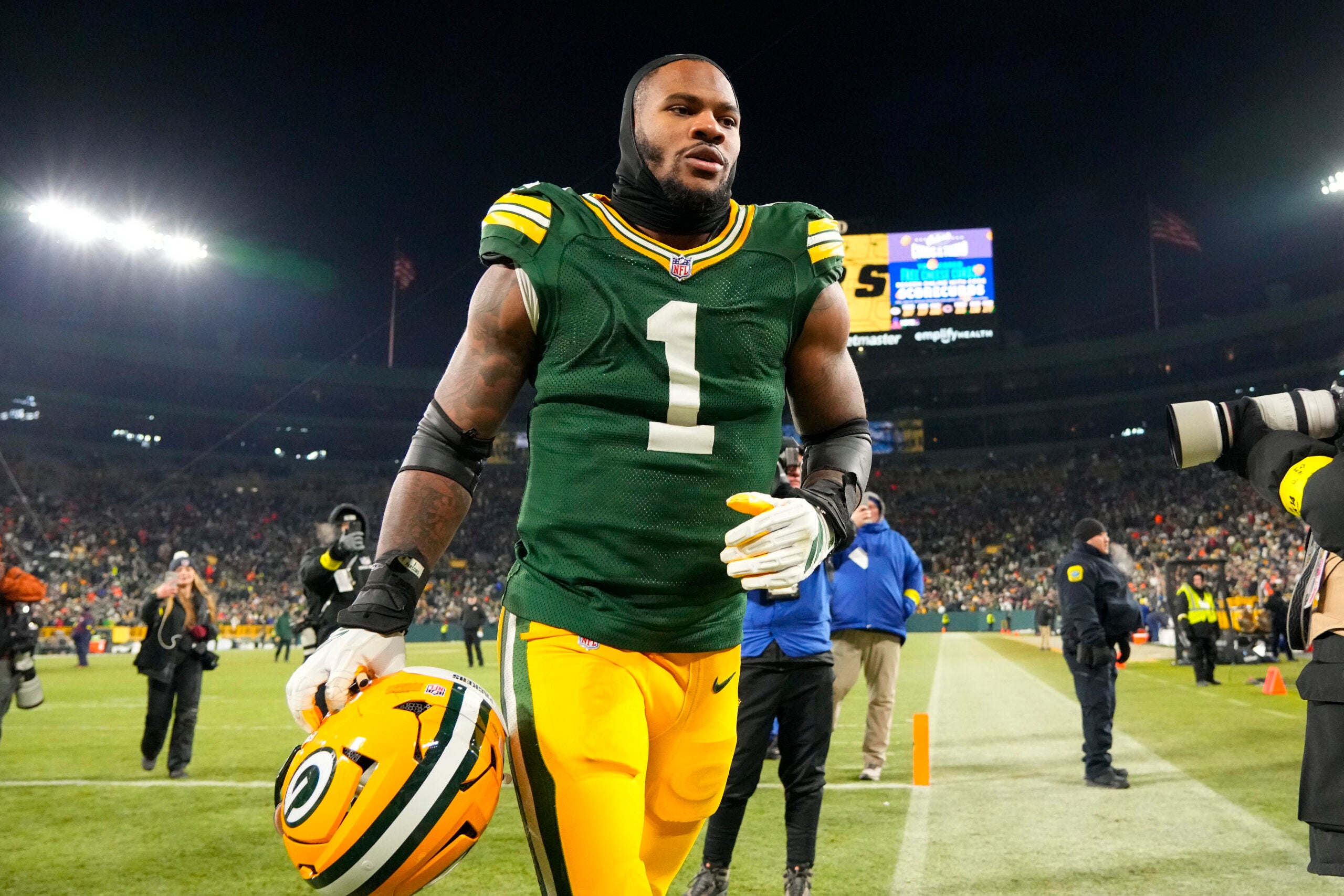
Andrew Brandt, the Green Bay Packers’ former Vice President of Player Finance/General Counsel from 1999 through 2008, offered a revealing perspective on the Micah Parsons trade in a recent conversation with A to Z Sports.
Brandt, who worked alongside both Ron Wolf and Ted Thompson during his tenure, has a deep understanding of how the Packers operate, and his take on the blockbuster deal sheds light on why Green Bay pulled the trigger.
Brandt released a new book titled Smarter About Sports: My Life Navigating Athletes, Agents, Media, and the Business of the NFL. During the interview, the former executive discussed whether Ted Thompson would have made a trade like the one Brian Gutekunst pulled off for Parsons, and his answer reinforced just how much the move fits within the franchise’s way of operating.
Brandt connects the Parsons trade to the Packers’ identity
Brandt’s answer made it clear why the trade respected Green Bay’s long-standing roster-building philosophy.
“I mean, Ted allowed us to go forward chasing Charles Woodson,” Brandt said. “He didn’t block that. He was draft-and-develop heavy, but I’m gonna say yes because Brian did it, and Brian and Ted think alike. Again, if instead of 26 Micah Parsons was 30, probably not. But you look at this incredible asset that’s 26 years old, made the Pro Bowl every year and only ascending. Yeah, that fits the Packers.”
That reasoning aligns with what the Packers have always prioritized: younger, ascending players who can reach their full potential in Green Bay. The trade was expensive in terms of draft capital and contract compensation, but for a player of Parsons’ caliber and age, it fits the profile of the kind of acquisition this front office is willing to make. Gutekunst started working for the Packers in 1999, the same year Brandt did, and the organizational DNA runs deep between the two eras.
A different cap era changes the calculus
Brandt was the person managing the salary cap during his time in Green Bay. Now Russ Ball, the Packers’ executive vice president/director of football operations, handles those responsibilities. When asked how cap management would differ for him today, Brandt acknowledged the landscape has shifted dramatically.
“It’s much more free, which I guess the word is, an easier time to manage the cap because there are a few things that they have now that I didn’t have,” Brandt explained. “Number 1, control of rookie salaries. We didn’t have that. Rookies at the top made more than veterans at the top. So the rookie scale really allows you to balance your cap. The other thing we have is cap carryover. We didn’t have cap carryover, so it was pretty conservative managing the cap. I didn’t like to push out a lot of proration. Even with Brett Favre’s contract, I was always tempted to, but I always kind of resisted temptation. So I would probably be less conservative today, knowing the cap’s rising.”
What’s next for Andrew Brandt
After leaving the Packers, Brandt stepped away from full-time NFL work. He had a consultant role with the Philadelphia Eagles and then transitioned into media, working for ESPN, Sports Illustrated, and The Athletic, among other outlets. He now also consults on NIL contracts in college sports. When asked about what could come next, Brandt pointed toward solving the chaos in college athletics.
“Maybe it’s something in college sports where I’d like to be part of that grand solution,” he mentioned. “If I look at what would be an opportunity for me that would get me excited after this, it would probably be this mess that everyone talks about, the Wild West. It’s crazy, and the coaches complain, the administrators complain, and the fans complain. Basically everyone complains except the players. There’s gotta be a fix.”
For Packers fans looking to understand how Green Bay operated during the Brandt era, Smarter About Sports is a worthwhile read. Brandt shares anecdotes about Brett Favre, the transition to Aaron Rodgers, and his trajectory within the franchise, context that helps explain why a move like the Parsons trade, while bold, was very much in character for the organization.
