
Tennessee Vols coach says the quiet part out loud about college football that nobody in the media wants to talk about
It’s a problem in sports, and one Tennessee Vols coach was willing to speak up about it.

College football media has developed an obsession with hot seat chatter and predicting who gets fired next.
And it’s driving me crazy.
The win-now-or-get-fired mentality sweeping the sport has reached a tipping point (I really think we’ve lost our way).
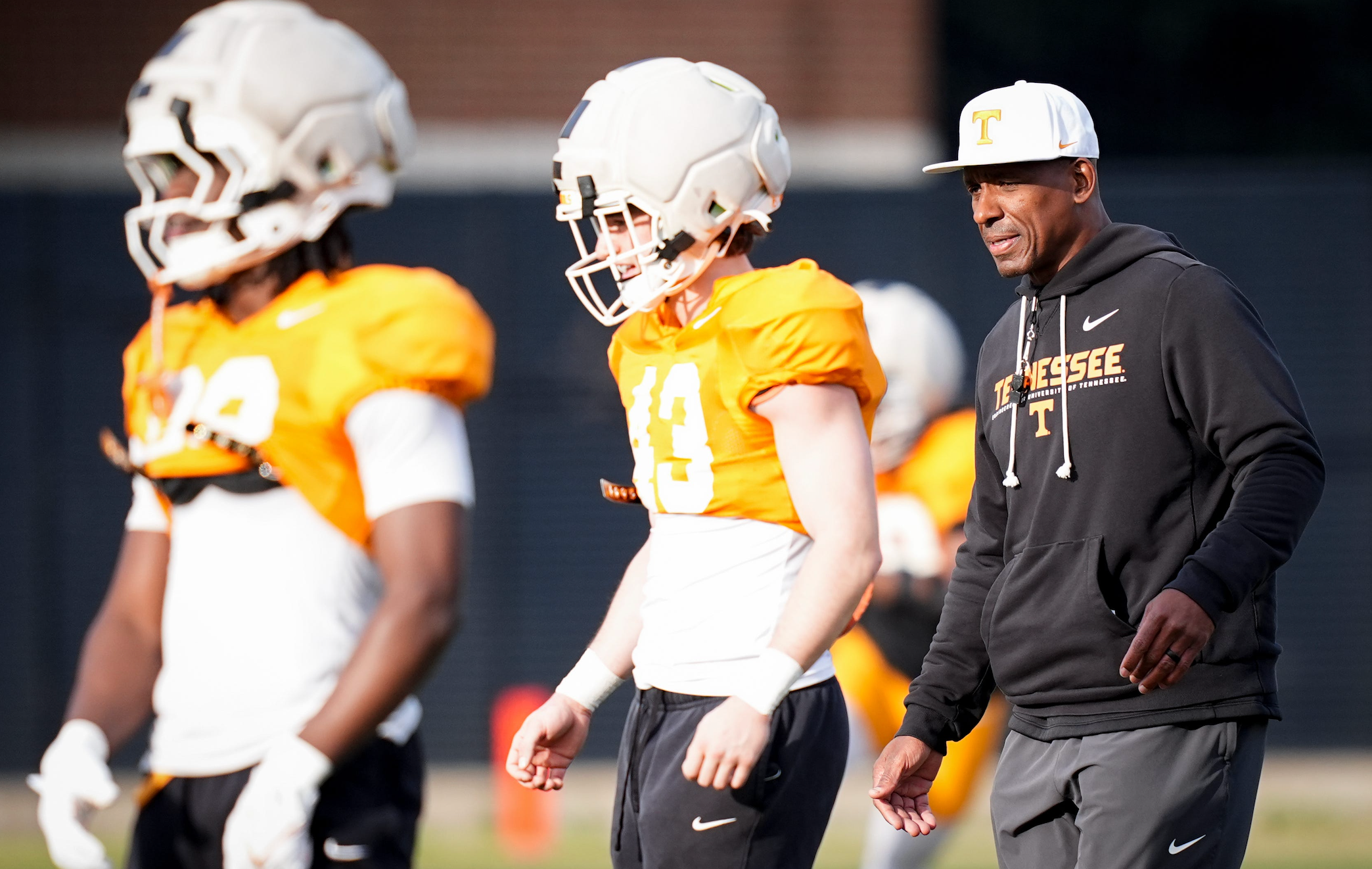
Tennessee safeties coach Anthony Poindexter, who is entering his first season with the Vols, recently joined WLNI Radio and said the quiet part out loud about what’s really being lost in college football’s coaching culture (and it’s due in large part to the college football media).
“It’s the business we’re in,” said Poindexter. “You’re starting to pay the kids, and we’re talking about $30 and $40 million rosters. Coaches are getting paid at a crazy clip. People aren’t saying, ‘Hey, you’ve got time to develop these guys.’ This is ‘win now.’ That’s just the business, and you’ve got to get used to it…it’s everywhere. We need to win and win now.”
Look, sometimes it has to happen. If a school gives a guy a chance and the job ends up being too big for him and he doesn’t do well, then they’ve got to move on. I get that. But some of the coaches who have been fired in recent years, even before the NIL era, made no sense to me.
Dan Mullen at Florida? I thought they jumped the gun too quickly. James Franklin at Penn State – it was one bad month!
Kalen DeBoer took over for Nick Saban at Alabama (which was always going to be a tough job), and had the Crimson Tide missed the playoff last season, I think the hot seat chatter would have been loud in Tuscaloosa.
Before Ohio State beat Tennessee in the College Football Playoff and went on that run to win the 2024 National Championship, there was all this talk about Ryan Day getting fired. He went from on the hot seat to a month and a half later being a national champ. He was the same guy though! He didn’t become a completely different coach in those six weeks. But all people see is the result, they don’t see the process and the adversity.
Anthony Poindexter said what nobody else seems to be saying
These coaches got into the business to develop players and young men, and I think that gets totally lost by everyone – agents, fans, family at times, athletic directors, and even some coaches themselves (because their jobs depend on it).
Sometimes development means you take a loss or two so you can be better in the long run. Sometimes it means sticking with a player who’s gone through a tough time and not giving up on him just because it costs you a game you otherwise might have won. Look, we all want to win. But the best college coaches – and I’m not talking what the results say, I’m talking the best mentors and leaders – put development first. I think Saban was that kind of coach. And I think he understood that the job description changed once NIL and the transfer portal changed the sport. I think he understood it was no longer about developing players (and I think that’s why he’s no longer coaching).
This is an epidemic across the sport (all sports really), and it’s not going to get fixed anytime soon. It starts at the youth level. You see parents moving their kid from team to team at 10 years old, trying to find the best situation instead of making them work for it. Instead of making them sit on the bench for a year or two until they’re ready to play. It goes into high school, where kids are transferring every year chasing different opportunities.
That is the mentality in sports right now, and it’s a bummer. I don’t think that’s the way you’re going to get the best out of anyone. I think it’s why you see some really talented kids get to the pro level or college level and struggle when they hit a wall. Everybody in their lives is trying to point them away from adversity, when adversity is usually the best thing you can experience in sports (and life).
Poindexter, by the way, is hoping to stay at Tennessee for a while.
But he knows he’s gotta get quick results for that to happen.
“I like Tennessee. I’d like to stay there for a while. I really would. But you’ve got to win if you wanna stay. So that’s our goal, that’s our charge. And that’s what we’re concentrating on now.”
