
NFL players fighting to return to college football after suiting up in preseason games
The line between amateur and pro could be getting even blurrier in the coming weeks.


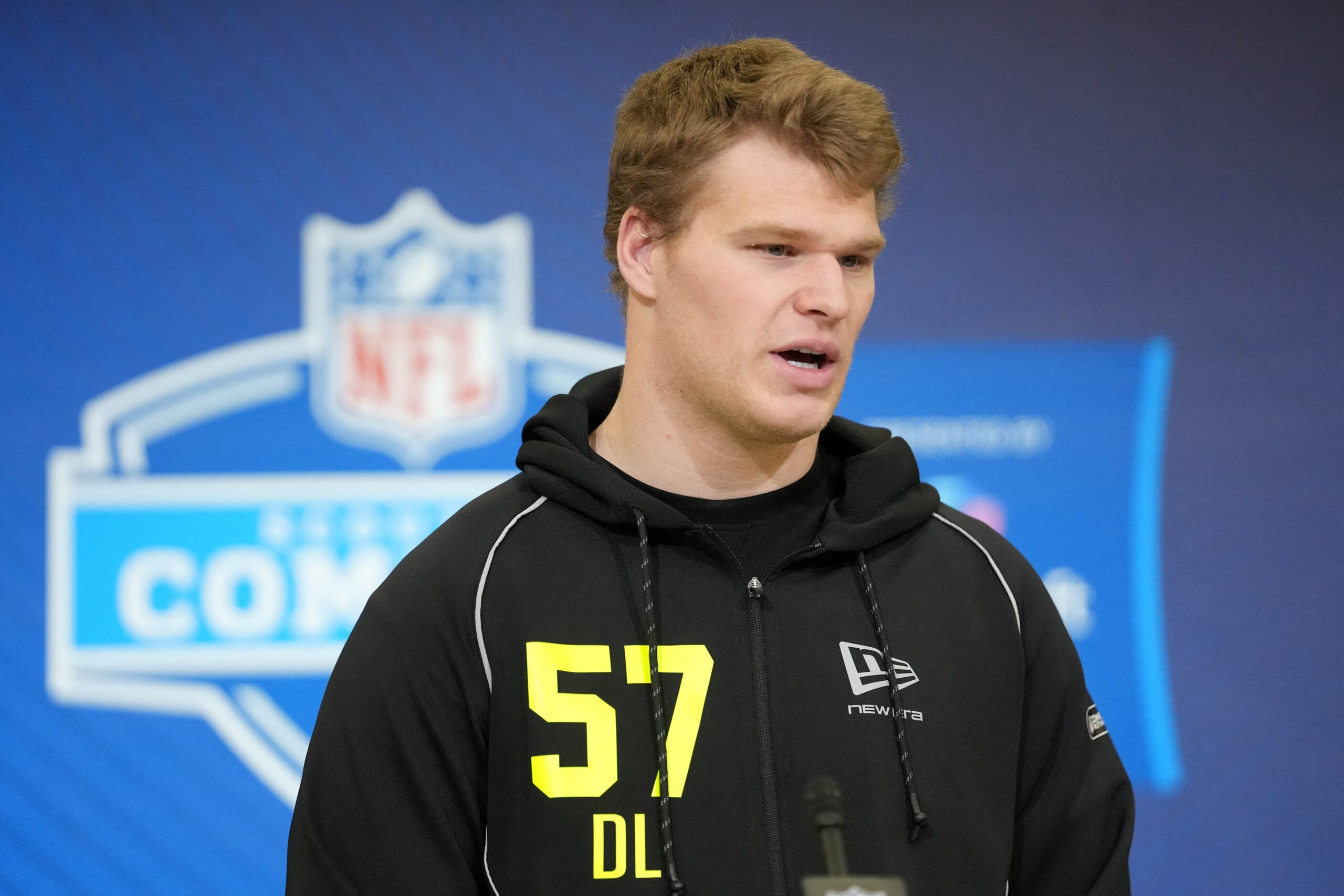
NFL players are trying to return to college football, and their chances are real. Per Matt Zenitz and Blake Ruffino, a group of NFL players is fighting to go back to college athletics. This follows a Louisiana judge granting a temporary restraining order allowing 33 athletes to return to college athletics, tied to the five-for-five eligibility rule the NCAA established this offseason.
What makes this specific TRO so controversial, because there have been multiple, is that some of these players suited up and recorded stats during NFL preseason games. They could potentially return to college. This isn’t like Cole Hutson, who only participated in the Browns’ rookie minicamp. This is also not like Stephen Daley, who was completely unsigned. Instead, names like Dae’Quan Wright, Zxavian Harris, and Jack Pyburn are getting a shot to return to college and enter the transfer portal after participating in preseason games.
Why this situation is so complicated
The most glaring aspect of this is how conflicting the whole thing feels. On one side, it really does not sit right that a player can just backtrack after signing an NFL contract and return to college. It undermines the commitment that comes with making the jump to the professional level and creates a gray area college football has never had to deal with before.
It is worth noting, though, that the TRO might require these players to pay back their NFL signing bonuses and any guaranteed money they received. They also have to figure out whether college teams even have roster spots available. Those are significant hurdles that could limit how many players actually take advantage of this ruling.
The other side of the argument
At the same time, it’s easy to understand the frustration from the player’s perspective. Theoretically, if you’re an athlete who was likely going to get cut by an NFL team, making less money as a practice squad player than you were making in college, the math stops making sense. If you were forced into a contributing role and lost your freshman year of eligibility because of whatever circumstance, and now all of these players who stayed behind are being granted the opportunity to have five total years of eligibility, that’s a tough pill to swallow.
The five-for-five eligibility rule was designed to provide clarity and fairness to college athletes, but its intersection with the NFL pipeline has created a situation nobody fully anticipated. Players who left college early now feel punished for making a decision that, at the time, seemed like the right career move.
One thing is for sure: this entire situation is going to be a mess. The NCAA, NFL, and the courts will have to figure out where the line is drawn between professional and amateur status. With 33 athletes already granted a TRO and more cases likely on the way, this could reshape how players approach the decision to declare for the NFL Draft.
