
Packers’ roster reveals how Brian Gutekunst has broken from Ted Thompson’s blueprint, challenging a familiar view of his team-building
General manager Brian Gutekunst kept the Ron Wolf and Ted Thompson foundation in place, then built something Green Bay’s past regimes never would.


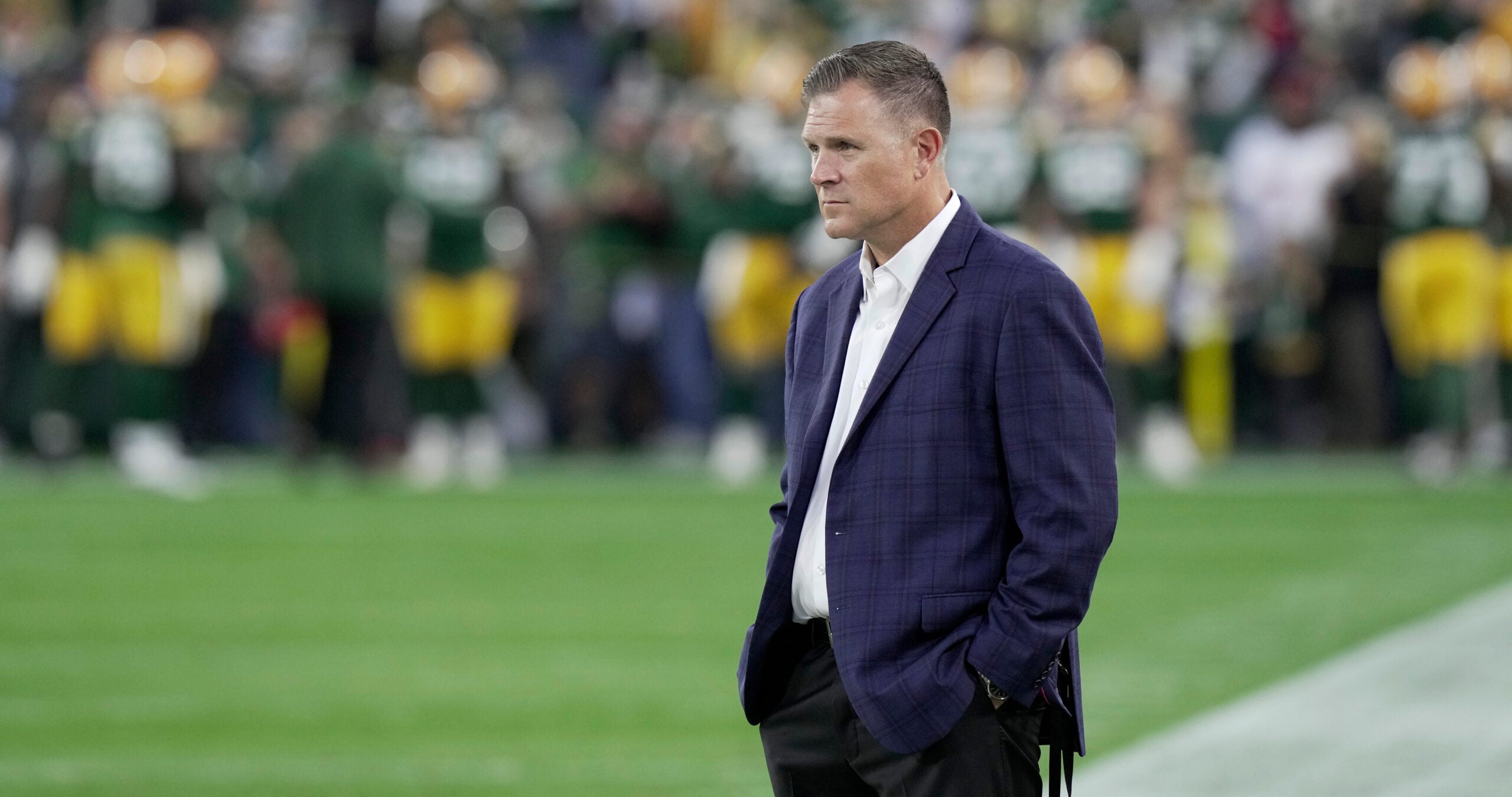
General manager Brian Gutekunst has quietly dismantled some of the narratives about how he builds the Green Bay Packers’ roster. For the most part, his core philosophy rests on what Ron Wolf and his predecessor Ted Thompson did as general managers: draft, develop, and give young players room to grow in training camp.
Gutekunst is still a much more modern roster-builder, though, and the 2026 version of the Packers is clear evidence of that. Look at how Green Bay has built its roster over the past three years. Plenty of key players are not homegrown, and Gutekunst has been far more willing to add external pieces and adapt the roster during the season. Thompson wouldn’t have done it that way.
Free agency and trades beyond the draft
The free agent results haven’t been perfect. The 2025 class was largely unsuccessful. Cornerback Nate Hobbs has already been released, and guard Aaron Banks has barely played while making significant money.
The 2024 period, on the other hand, delivered. Running back Josh Jacobs is now on the Commissioner’s Exempt List, but for all intents and purposes, he has been a successful signing. Safety Xavier McKinney was an even bigger hit. He was a first-team All-Pro in 2024, a second-team All-Pro in 2025, and has once again played at an elite level in 2026.
Even this year, without much capital to spend, Gutekunst found contributors. Cornerback Benjamin St-Juste has mostly worked as a backup and special teamer. Wide receiver Skyy Moore, a one-year, $2.5 million signing, has been a successful returner and a depth piece on offense, especially after Jayden Reed suffered a season-ending neck injury.
Then there are the trades. The big one was sending two first-round picks and Kenny Clark away to acquire Micah Parsons from the Dallas Cowboys last year. But the Packers also traded a sixth-round pick for offensive lineman Darian Kinnard, who is no longer on the roster but was important depth in 2025.
This year alone, Green Bay traded late-round picks for running back Kaleb Johnson and tight end Mark Redman. Redman, acquired from the Los Angeles Rams for a 2028 seventh-round pick, has been the more important addition. The Packers use a lot of multiple-tight end sets, and the room was depleted after Luke Musgrave got hurt. Redman’s blocking shows up all over the tape, including on MarShawn Lloyd’s second touchdown run against the Chicago Bears. He’s a significant upgrade over what Green Bay had last year with John FitzPatrick in that role, and it’s exactly the kind of look Packers head coach Matt LaFleur loves.
The lesson from the past
You can argue the Packers took longer than they should have to address the offensive line. Still, once the first few weeks went badly up front, Gutekunst signed veterans in-season, and the results are already visible. That approach was rare under Thompson.
Two examples from 2016 stand out. First, Mike McCarthy had to convert Ty Montgomery from wide receiver to running back. Green Bay claimed Christine Michael off waivers, but he wasn’t a solution, and the front office wasn’t willing to pursue a proven back.
Second and more impactful, the Packers refused to add a veteran cornerback. Green Bay had used its first- and second-round picks in 2015 on Damarious Randall and Quinten Rollins, and neither panned out, with injuries also playing a part. As a consequence, LaDarius Gunter played as the CB1 against Julio Jones in the 2016 NFC Championship Game against the Atlanta Falcons. It went exactly how you would expect.
Gutekunst wouldn’t allow something like that to happen, and he proved it by signing three veteran offensive linemen after three weeks of the season. Left guard Laken Tomlinson, signed off the Dallas Cowboys’ practice squad, has already established himself as the starter and has been impressive in the run game.
Kevin Zeitler, a proven veteran, is still ramping up but is projected to start at right guard at some point. Mekhi Becton remains on the practice squad and isn’t expected to start this year, but at 28 years old, he’s a longer-term bet with the versatility to play guard and tackle.
Modern problems require a modern approach
This isn’t a claim that Gutekunst is necessarily a better general manager than Ted Thompson was. Thompson had real merits as a talent evaluator, and you can argue he was the better drafter.
But the game changed. Thompson built strong teams early in his tenure. After the 2011 CBA introduced the rookie wage scale, roster turnover became far more prevalent because teams leaned on young, cheap players to manage the cap. Development windows shrank, and finding value in veterans became more impactful.
Thompson rarely made trades or signed free agents, and the roster grew stale late in his tenure. Gutekunst is a solid drafter, even with his first-round misses. The difference between the two is that he explores every avenue to improve the team, and the additions he has made beyond the draft have been central to this roster.
