
Packers’ decision to pass on veteran offensive linemen before the season exposes a philosophy that backfired
Kevin Zeitler, Laken Tomlinson, and Mekhi Becton were all options for Green Bay ahead of the regular season, and the front office went in another direction.


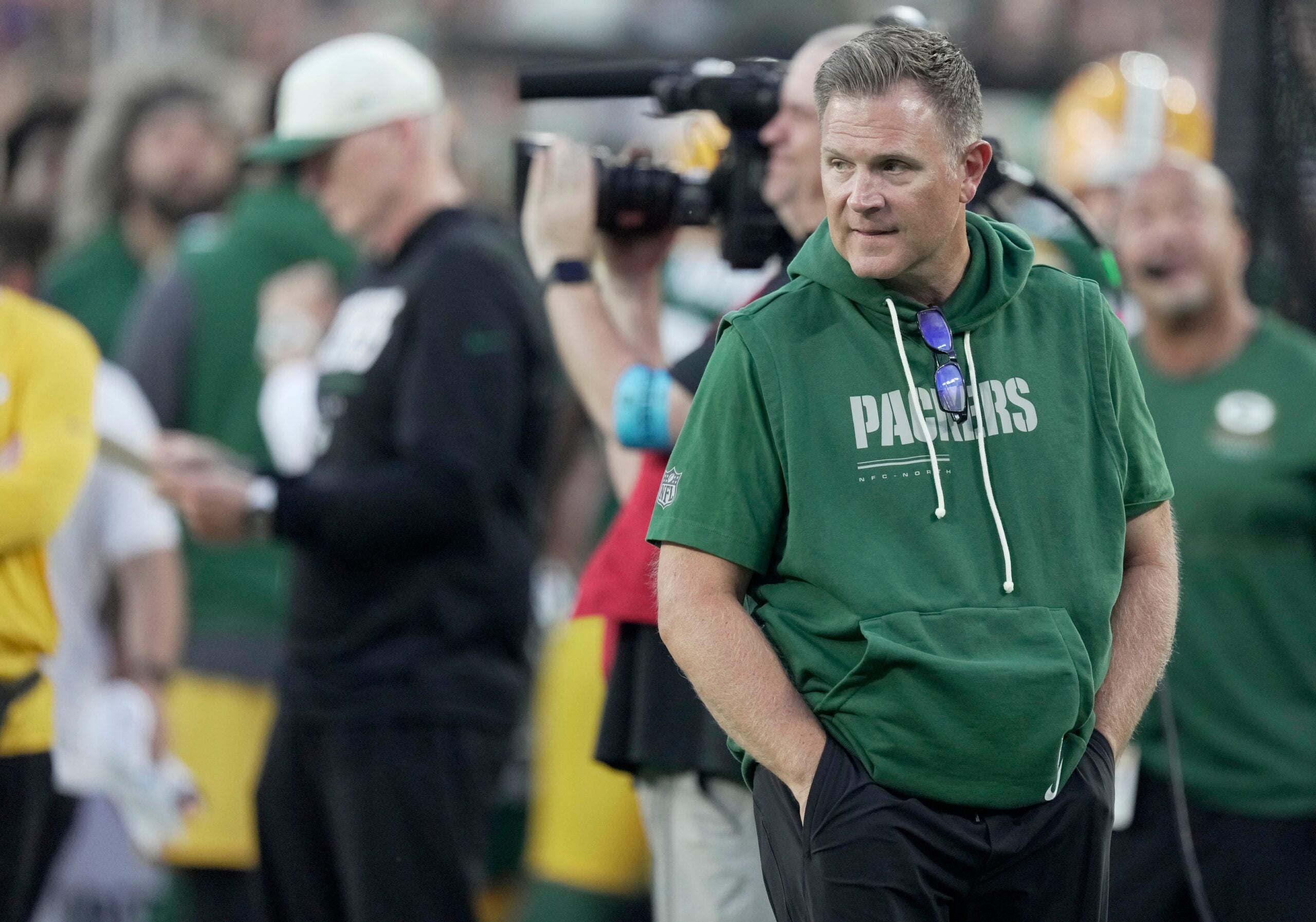
The Green Bay Packers have spent the weeks since training camp patching holes. Now the offensive line is the latest group to get reinforcements, with three new linemen added to the roster last week. That raises a fair question: why didn’t the Packers sign Kevin Zeitler, Laken Tomlinson, or Mekhi Becton before the regular season, when veteran help was easier to find?
The short answer is philosophy. General manager Brian Gutekunst builds rosters differently than the average NFL GMs, for better or worse, following Ron Wolf’s model. That difference sits at the center of how Green Bay ended up scrambling in October instead of settling the offensive line in the summer.
Now, the Packers sit at 2-2. And they should feel lucky about that record considering their performance on the field. The offense is 28th by DVOA after four weeks.
Development over competition
The Packers have operated this way for a long time. They want young players to get real opportunities in training camp, to show what they have, and to develop through the summer. If that development doesn’t happen, the front office adds pieces later.
As a consequence, Green Bay rarely brings in veterans just to compete during training camp. The young players get the reps, and the team trusts its evaluation of who will take the next step.
You might reasonably argue that competition would maximize each individual. A proven player pushing for a job tends to bring out the best in the guys already on the roster. Even if the young player wins the job, he wins it under pressure, and the team has a fallback if he doesn’t.
But that’s just not how the Packers have operated, and there’s a problem with that approach. If the expected development never shows up, you find that out around Week 1. By then, there’s no realistic time to solve the roster issue in a clean way. The best veteran options are gone or signed elsewhere, and the team has to take whatever the market has left. Plus, the ramp up period is limited.
In fairness to Gutekunst, the Packers frequently get this right. For the most part, the young players they expect to develop end up developing. That track record is the reason the front office keeps trusting the process instead of hedging with veterans every summer. But this year, it didn’t happen on offense. And the evidence is all over the transaction log.
Since the end of training camp, Green Bay has added Jonnu Smith, Mark Redman, Kaleb Johnson, Cordell Volson (already gone), Laken Tomlinson, Mekhi Becton, and Kevin Zeitler. That’s a lot of change for a team that prefers to let its roster settle with young guys.
None of those moves are necessarily bad on their own. The issue is timing. Each one represents a spot where the Packers expected internal growth and had to go outside the building once it didn’t arrive.
Despite the late action, veterans can still help
Even before the season, players like Kevin Zeitler, Laken Tomlinson, and Mekhi Becton were the kind of names that could have given Green Bay real insurance up front. Zeitler and Becton in particular were still recovering from surgeries, though, but the main idea of adding a veteran when Jacob Monk was the preferred starter at right guard in Week 1 stands.
Signing them or some other veterans would have gone against the Packers’ usual playbook. A veteran would have taken training camp reps away from the young linemen the team wanted to evaluate. From Green Bay’s perspective, that’s the cost of adding experience too early, and it’s a cost the front office generally doesn’t want to pay.
Instead, though, the Packers are adding linemen after the season started, which is exactly the scenario their philosophy is designed to avoid and the one it occasionally creates. This season has shown the downside of that philosophy. When the bet on growth doesn’t pay off, Green Bay has no veteran cushion to fall back on. Hopefully for the Packers, it’s not too little, too late.
