
NFL’s drawn-out Josh Jacobs decision leaves Packers in costly limbo, and the delay is doing no one involved any favors
The Pro Bowl running back has played the past two games for Green Bay after spending six weeks on the Commissioner’s Exempt List.


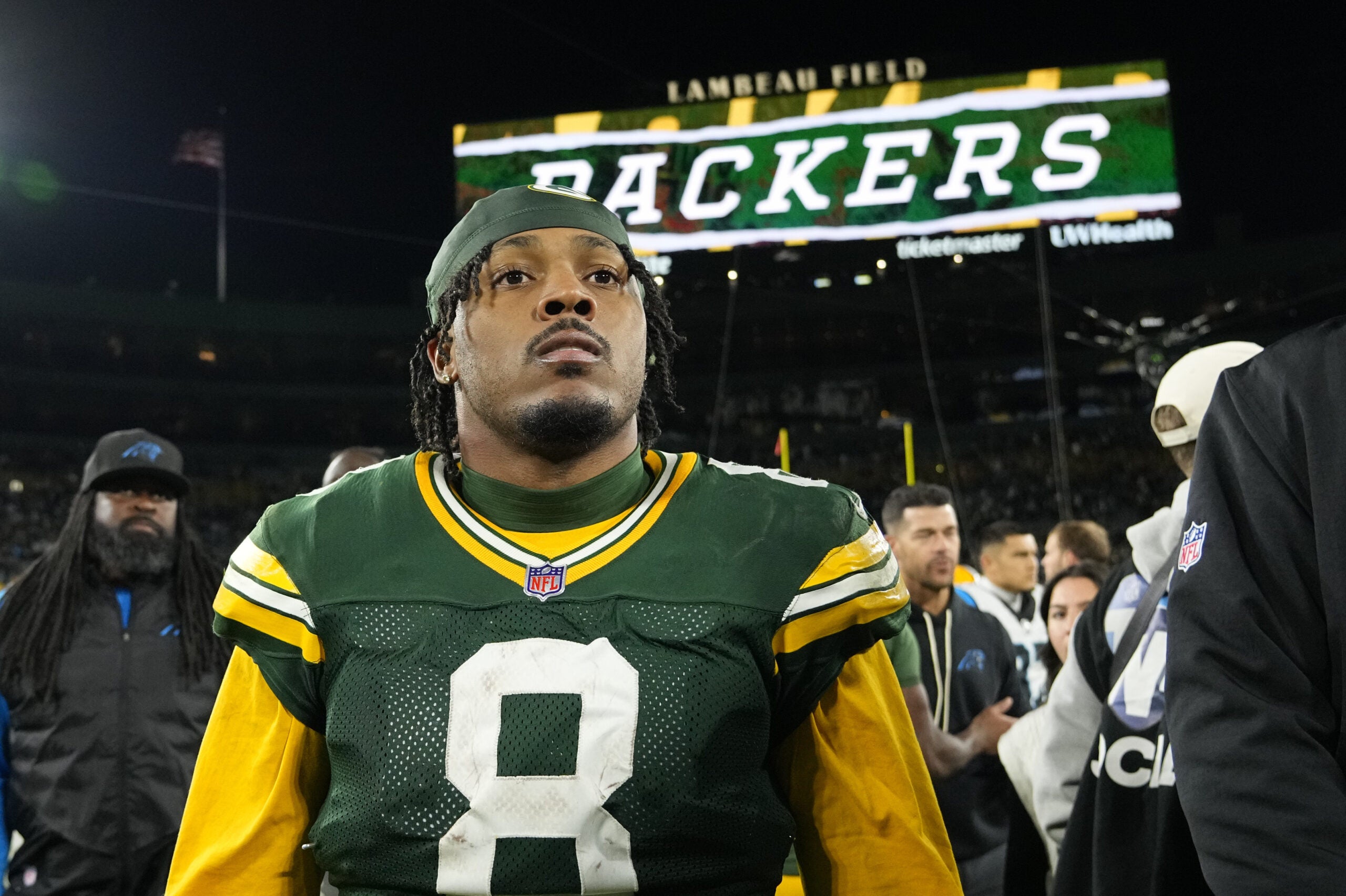
The NFL’s delay in making a decision on Josh Jacobs is doing everyone no favors. The Green Bay Packers running back was cleared to play, but police made new evidence in the case public during the weekend. Now the league may finally be ready to act, and it’s time for it to do so, even if video evidence hasn’t been released yet.
Jacobs already missed six games while on the Commissioner’s Exempt List. He has since been removed from the list and has played the past two games for Green Bay. However, the league has yet to make a final determination on the case involving his ex-girlfriend, even though the legal case is already resolved.
Ideally, the NFL wanted video evidence before reaching a decision, and it hasn’t been able to obtain that so far. At some point, though, the league has to move forward without it.
Suspension math for the Packers
For the Packers, the uncertainty creates a concrete problem. They don’t know whether Jacobs will have to miss more games.
The six games he spent on the Commissioner’s Exempt List would count toward any suspension. If the NFL suspends Jacobs for up to six games, he won’t miss any additional time. If the suspension is eight games, he would have to sit out two more. A 10-game suspension would cost him four more.
As a consequence, Green Bay can’t plan around its starting running back for the rest of the year. The Packers have Jacobs on the field right now, but they don’t know whether that will still be true in a few weeks. That’s a difficult way to manage a roster in the middle of the season.
Why it’s hard for the Packers to simply move on
The financial side matters just as much. Jacobs is making a $10.2 million base salary this year. Because he is a vested veteran and wasn’t suspended, he kept receiving his full salary while on the Commissioner’s Exempt List.
That status also shapes Green Bay’s options. If the Packers release Jacobs now, he would be entitled to termination pay, which means he would still collect his full salary despite no longer being on the roster. Cutting him at this point would make little sense, at least from a roster and financial perspectives.
Therefore, the Packers have to wait. If the NFL suspends Jacobs, Green Bay would recover the salary tied to the games he is suspended for, and that cash would eventually be credited back to the team’s salary cap. For six games, for instance, that would be $3.4 million. Only then would the front office have real flexibility to move on from Jacobs if it chooses.
The league’s timeline is dictating the Packers’ decision-making. Green Bay can’t commit to Jacobs for the long run, and it can’t reasonably part ways with him either.
A bad situation for everyone involved
The delay isn’t only a football problem. The longer the case stays open, the more the privacy of the people involved suffers.
That applies to Jacobs, but it applies especially to the victim. She wanted police to seal the evidence in the case because she wants privacy. Without a final determination from the NFL, her privacy will continue to be affected to some extent, with every new development pulling the case back into public view.
Jacobs wants a resolution as well. That appears to be why his representatives and lawyers applied some level of pressure on the NFL after police released the new evidence during the weekend.
The league’s ideal scenario, with video evidence in hand, may never arrive. Meanwhile, the Packers are trying to compete with a cloud hanging over one of their most important offensive players, and everyone tied to the case is stuck waiting for a final chapter. The Packers need an answer, and so do all the people involved.
