
LSU football’s biggest potential pitfalls that could derail Lane Kiffin’s 2026 season before it even starts
LSU heads into the 2026 CFB season with some high expectations in the first year under HC Lane Kiffin. What are the potential pitfalls?

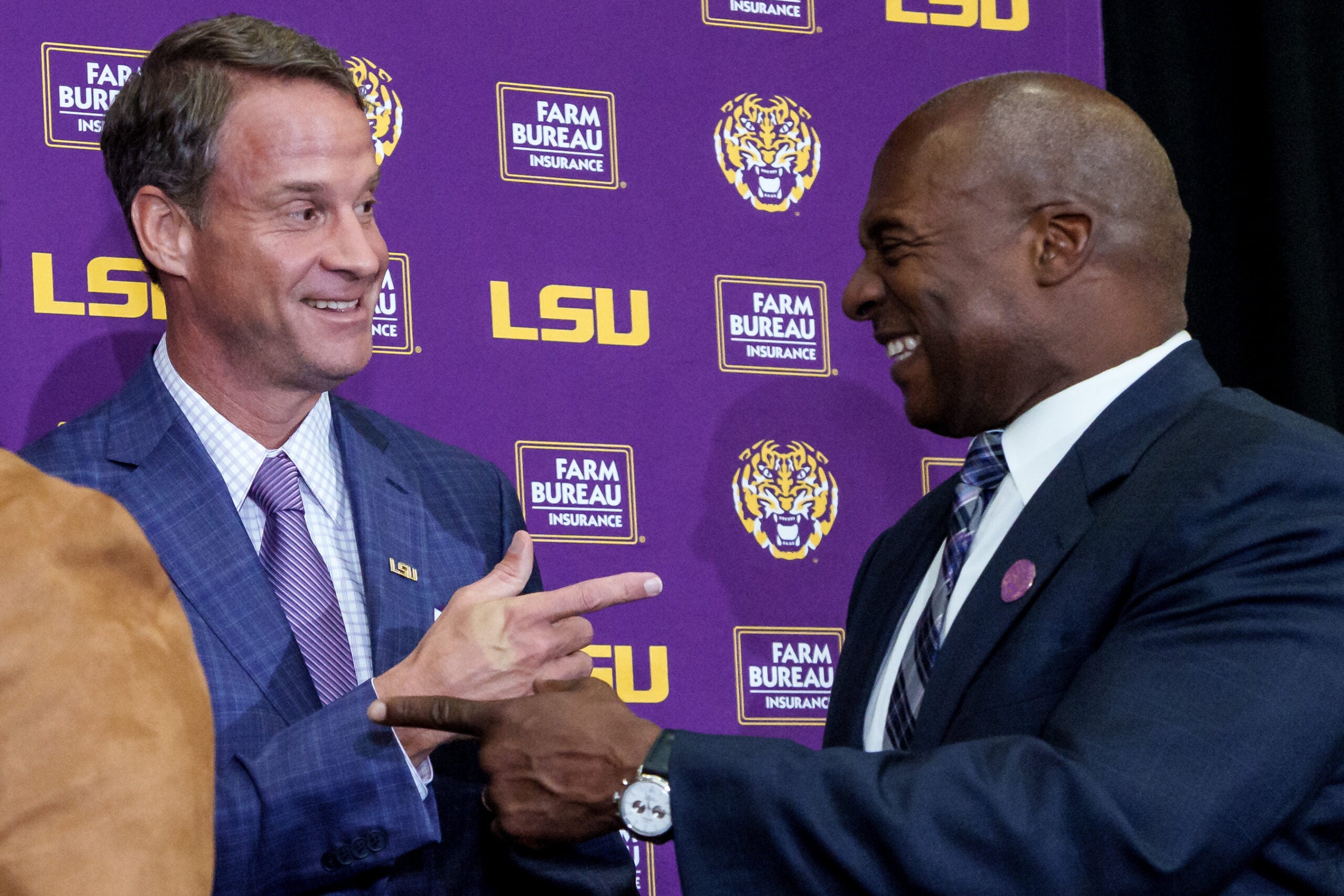
Lane Kiffin enters his first season as the LSU Tigers head coach with significant expectations after an aggressive offseason in the transfer portal and a strong finish to the 2026 recruiting class. The talent on this roster is evident, and optimism around the program is warranted. But as LSU prepares to compete in the SEC and potentially make a run at the College Football Playoff, several roster-level concerns could determine whether this team reaches its ceiling or falls short of championship aspirations.
Every program navigating a coaching transition faces question marks. For the Tigers, those questions are concentrated in four specific areas that deserve close attention heading into the fall.
Sam Leavitt’s health remains the biggest unknown
It all starts with quarterback Sam Leavitt. The former Arizona State signal caller has the talent to thrive in Kiffin’s system. He possesses a big-time arm and premier athleticism, and Kiffin’s offense historically keeps things simple for quarterbacks while accentuating their strengths. The fit on paper looks outstanding.
The concern is availability. Leavitt is coming off an injury-plagued 2025 season with the Sun Devils, and he was unable to participate in spring workouts as he continues recovering from a foot injury. For a quarterback adjusting to a new play caller, new targets, and a new offensive line, missing those live reps during the spring is a significant setback. Leavitt could end up being a tremendous player for the Tigers in 2026, but the questions he personally needs to answer before the season begins are real.
The offensive line has been overhauled for a reason
Perhaps the most debilitating factor for LSU last season was how poorly the offensive line played. The Tigers have understandably overhauled that unit this offseason, headlined by the addition of former Colorado offensive tackle Jordan Seaton to hold down the blindside.
This offensive line has the potential to be a good one if everything meshes well. Seaton was a good player at Colorado, but he still has growth potential he needs to tap into at the next level. There are also questions surrounding center Braelin Moore, whose 2025 season was derailed by an injury down the stretch.
Anytime you have multiple new starters trying to build chemistry with limited time together, concerns are going to exist. Questions on the offensive line are never a good thing to carry into a season, and only time will tell how quickly this group comes together.
Running back depth lacks a short-yardage identity
The running back room features two talented home run hitters in true sophomore Harlem Berry and Caden Durham. Both players have the ability to make splash plays for the LSU offense. Berry, in particular, feels like someone who will break off some big runs in 2026.
The potential pitfall is that neither profiles as a short-yardage, grind-it-out type of runner. When a game is on the line, and LSU needs to convert in the trenches, will either back be able to find those dirty yards? Can Berry develop into a complete back for this offense? What will Durham add to that room beyond explosive ability?
Those are answers the Tigers still need to find.
Defensive talent is there, but inconsistency looms
On the defensive side of the ball, the conversation comes down to consistency. The talent is obvious, but for every flash of brilliance on this roster, there are stretches of inconsistency that raise legitimate concerns.
Safety Ty Benefield came over from Boise State with a strong reputation, but he finished last season with a 20% missed tackle rate. He puts himself in a position to make plays regularly, yet he does not finish them consistently.
Linebacker TJ Dottery, a transfer from Ole Miss, brings splash-play ability but has shown a tendency to be out of position at times.
Will Princewill Umanmielen take the next step as an all-around defender, or does he remain primarily a pass rush specialist? Can Jordan Ross, the talented defensive end transfer from Tennessee, take a massive step forward?
Each of these players brings undeniable upside. Each also brings a track record of inconsistency that Kiffin’s defensive staff needs to clean up quickly. The ability to eliminate those lapses early in the 2026 season will go a long way toward determining whether LSU is a legitimate SEC contender or a team still finding its footing under new leadership.
