
Response to NFL players returning to college football has been swift, aggressive, and potentially unfair
The NCAA’s inaction has been a root cause of the chaos.


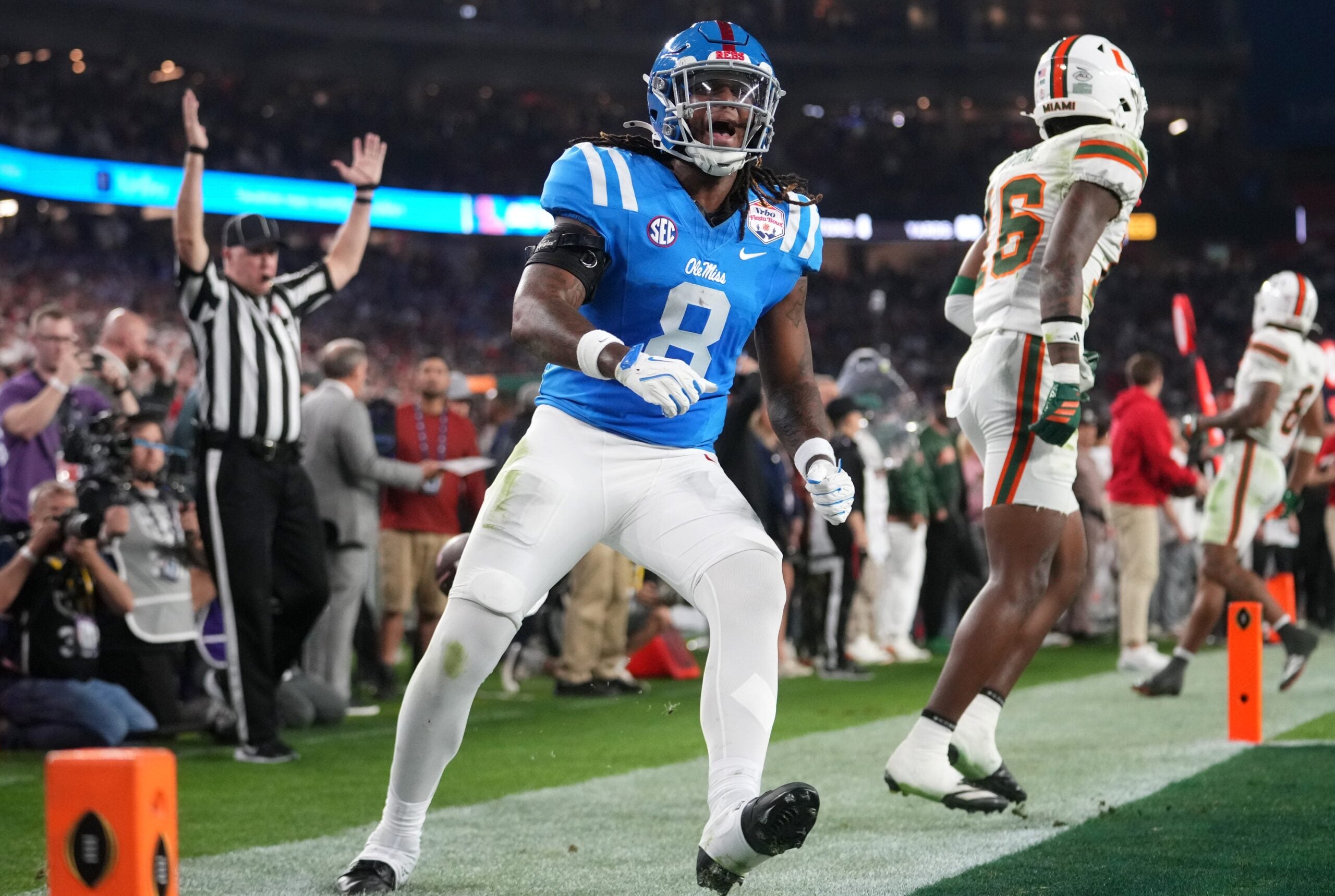
The response to NFL players trying to return to college football has been swift and aggressive. Every major conference and the NFL itself moved to block a small group of players attempting to use a recent NCAA eligibility rule change to return to school. The backlash was widespread, and the punishments designed to prevent these returns have made it nearly impossible for any athlete to succeed with the transition.
The Big Ten was the first conference to act. The conference banned players who signed a professional contract, appeared on a pro roster, or declared for the NFL Draft without properly withdrawing. If a member team violates this rule by adding one of these players, the head coach will be suspended for half of the remaining season and the school hit with a fine.
The SEC was slower to respond but took things a step further with its punishment. Along with a half-season suspension for the offending head coach, the SEC included a fine of 50% of the sport’s annual operating budget. The ACC and the Big 12 have also voted to prevent players from returning along the same lines as the SEC and Big Ten have prohibited.
The NFL also made its position clear. Any athlete who goes back to college cannot return to the NFL this season. Additionally, those players would not participate in the 2027 NFL Draft. Instead, they would re-enter the NFL as free agents, eliminating one of the biggest potential benefits of returning to school. For many of these players, the appeal was the chance to boost their draft stock and land a higher selection. That avenue is no longer on the table.
The NCAA created this problem
While conferences and the league moved quickly to shut the door, the root of this situation traces back to the NCAA. The organization changed its eligibility rules in a way that opened the door for NFL players to return, but the timing created chaos. By opening eligibility to five years for five years of competition, the 2022 class was always going to feel disenfranchised.
Changing the rule in the middle of the summer, rather than well in advance or waiting until a more appropriate window, invited exactly the kind of confusion and controversy that followed.
It feels unfair to hold these players entirely accountable for a major NCAA mistake. These athletes saw an opportunity created by a governing body’s rule change and pursued it. The fact that every power structure above them scrambled to punish the behavior doesn’t change the fact that the NCAA’s poor timing is what made it possible in the first place.
It wouldn’t be shocking if some of these players at least explore legal action and try to sue for damages. They made life decisions based on a rule that was technically in place, only to watch conferences and the league collaborate to strip away any benefit of acting on it. This entire saga has exposed a significant gap in how the NCAA, the conferences, and the NFL coordinate major eligibility decisions — and it’s the players who are paying the price.
