
865 Neyland: The Volunteers Are Building a New Neighborhood Around The Cathedral
For Tennessee, a program that has spent the better part of a decade climbing back into the national conversation under coach Josh Heupel, 865 Neyland is a statement that the ambition extends well beyond the scoreboard. The Vols want Knoxville to feel like a destination on any given Saturday or Tuesday.

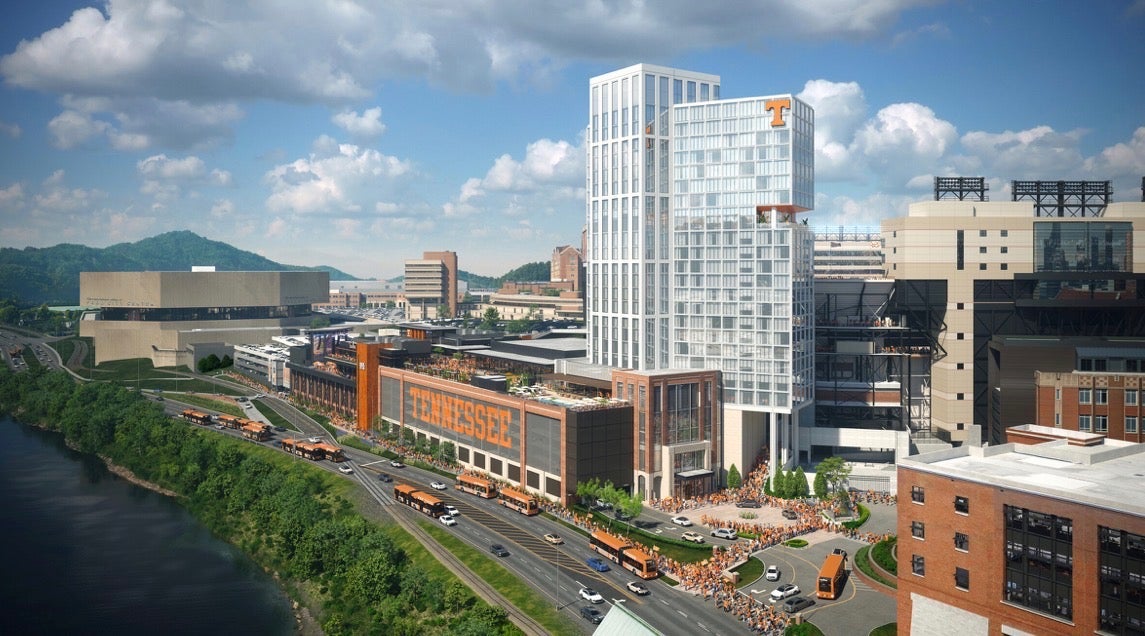
Neyland Stadium Is Becoming More Than a Saturday Destination
KNOXVILLE, Tenn. — For most of its history, Neyland Stadium has been a place Tennessee fans visit seven or eight Saturdays a year, then leave. You pack in with family and friends on the lawns of the University, parking lots and parking decks, watch the Vols, empty out, wait until next season. That’s about to change.
On Tuesday, the University of Tennessee and a group of private developers pulled back the curtain on 865 Neyland, the official name and identity for a mixed-use entertainment district rising in the shadow of the stadium. It’s the kind of project that college football programs across the country have been chasing for years. UT athletics is turning a stadium from a once-a-week attraction into the anchor of a year-round destination. Knoxville is betting big that it can be done right here on the banks of the Tennessee River.
A Name Built on Heritage
The name itself is a nod to the region as much as the team. 865 is East Tennessee’s area code. The “865” number is the same digits that spell “VOL” on a telephone keypad. It’s also the name of a Morgan Wallen song. Much like East Tennessee native Morgan Wallen name-dropped the popular G10 tailgate spot, Tennessee is now pairing that destination with another one of his hits. It’s a small detail, but it’s the kind of branding flourish that signals this isn’t just another glass-and-steel development slapped next to a stadium. It’s meant to feel like it belongs.
“The launch of the 865 Neyland brand reflects the momentum behind one of the most ambitious mixed-use developments in college athletics.”
Taylor Gray
RVX Ventures
The goal, Gray said, is a destination that captures the culture and energy around Tennessee athletics while giving the Knoxville community something to use 365 days a year, not just on game day.
What’s Actually Being Built
Strip away the branding, and the substance is significant. When it’s finished, the target is a first game with Washington in the 2029 season. Tennessee’s home game against Washington is scheduled for 2029 (a home-and-home series), with the return trip to Seattle in 2030.
865 Neyland will include roughly 100,000 square feet of indoor and outdoor entertainment, dining and retail space, anchored by a 24-story hotel and residential tower.
Two outdoor plazas will serve as the heartbeat of the district. One will feature a performance stage anchored by a 50-foot LED display, built to host national touring artists, watch parties and special events. It’s the sort of space that could turn a random Tuesday in July into an event downtown.
Between the plazas, guests will walk past more than 3,000 square feet of additional LED displays and media technology designed to make the whole footprint feel immersive rather than incidental.
Food is a centerpiece of the plan. The district will be anchored by two signature dining concepts: a flagship restaurant built around East Tennessee culinary traditions, and a multi-level sports and social venue designed to pull fans, residents and visitors together outside of game day. Additional restaurants will be scattered across the upper and lower plazas, though names and concepts for those spots haven’t been announced yet. But neither has the hotel brand that will eventually occupy the tower.
The Business Case
This isn’t a vanity project dressed up in orange and white. The development is a public-private partnership between the University of Tennessee, RVX Ventures, Magellan Development Group and Arctos Sports. It is the kind of ownership group that suggests real financial teeth behind the renderings.
The numbers being floated are substantial: more than 450 permanent jobs and 1,300 construction jobs, more than 2.5 million annual visitors once complete, and a projected economic impact of more than $5 billion over the next 30 years, driven by tourism, hospitality, entertainment and retail activity.
Why It Matters
College athletics has been reshaped by the transfer portal, name, image and likeness deals, and conference realignment. A new type of arms race extending into real estate around campus stadiums is its own kind of escalation. Programs increasingly understand that a 102,000-seat stadium sitting empty 350-plus days a year is a wasted asset. Turning that footprint into a living, breathing neighborhood. A neighborhood with restaurants, concerts and foot traffic in the offseason. It is both a fan experience play and a long-term revenue strategy in a sport where every incremental dollar matters.
For example, around 10 schools have a football payroll at or higher than the new legislation on college sports suggested cap for all of a school’s men’s teams (around $43M). Tennessee is one of those teams.
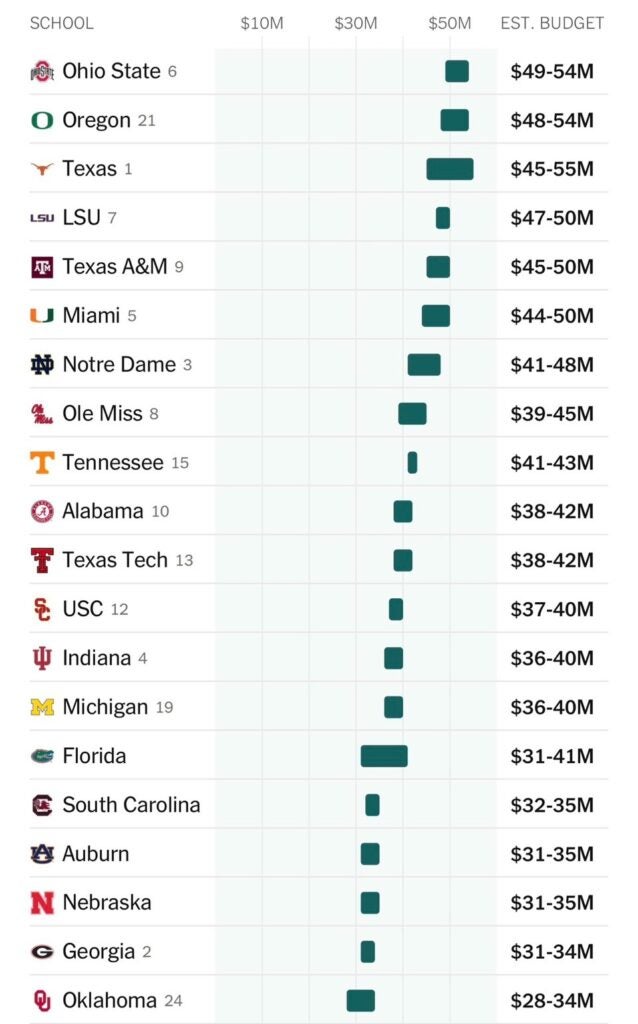
So combined men’s team payrolls for many schools are well above $43M cap. Where do those dollars come from? Tennessee’s athletic director, Danny White, who holds a doctorate in higher education administration, leads that effort.
For Tennessee, a program that has spent the better part of a decade climbing back into the national conversation under coach Josh Heupel, 865 Neyland signals that ambition extends well beyond the scoreboard. The Vols want Knoxville to feel like a destination on any given Saturday or Tuesday.
More details, including renderings and a fly-through video of the finished district, are available at 865Neyland.com.
