
Packers rookie shaky offseason start proves questionable draft process could easily backfire and affect their entire 2026 season
It’s early to tell what kicker Trey Smack will be as an NFL player. But the criticism around the process of drafting a kicker will way beyond that.


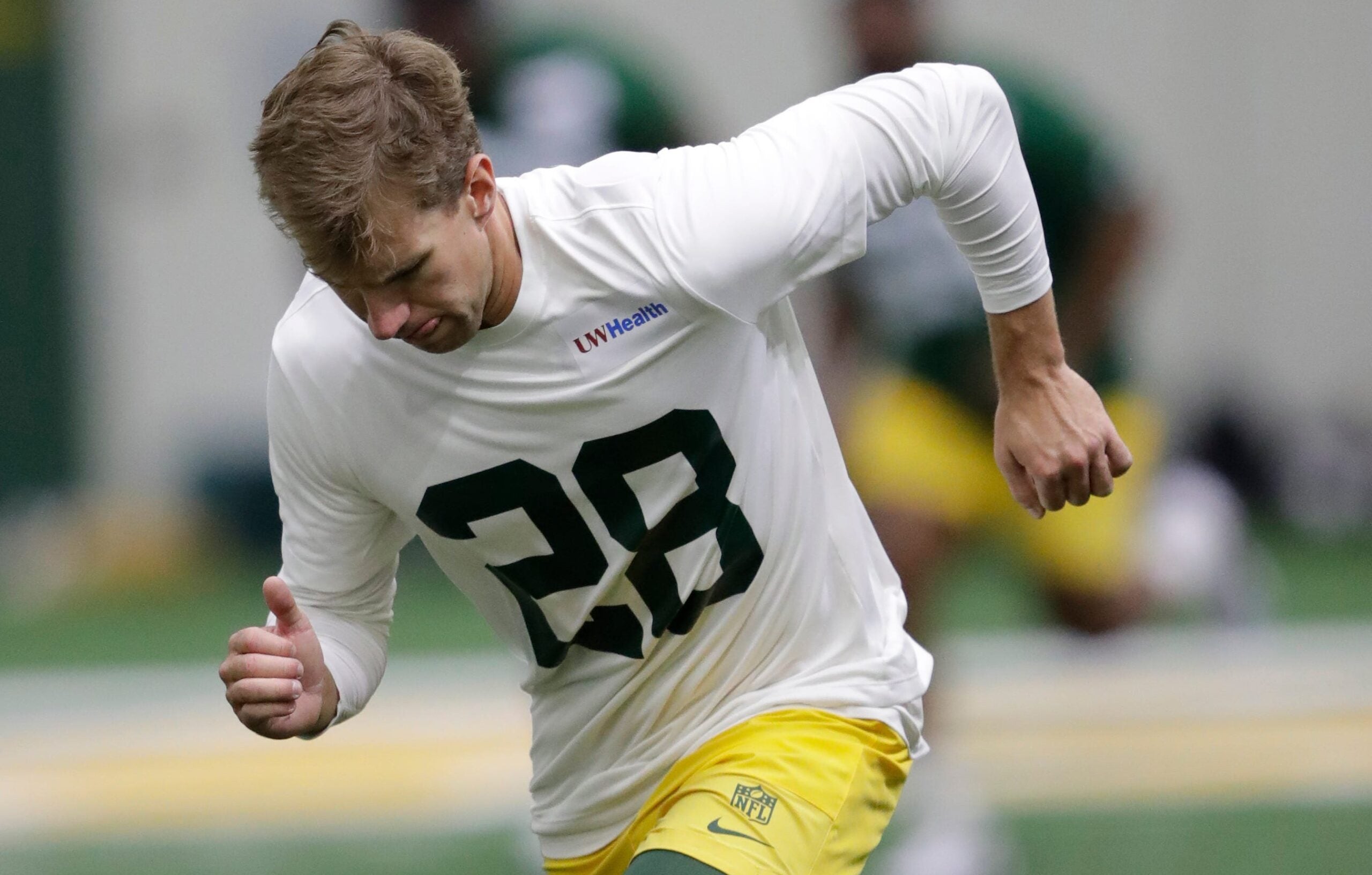
The Green Bay Packers used draft capital to trade up for kicker Trey Smack this year, and the early returns from the offseason program confirm that the decision carries significant risk for a roster that can’t afford to waste resources.
The decision to draft a kicker is always questionable. Recent NFL history and analytics confirm it’s a bad move, and the reasoning extends beyond the value of the kicker position itself. The NFL has an awful track record of scouting these players. The chances of finding a good kicker in the draft are not higher than signing an undrafted rookie or getting a player from a minor league like the UFL.
Green Bay actually traded up for Smack, giving up two seventh-round picks to move back into the sixth round to take him. That makes the investment even harder to justify when the early evidence simply isn’t good enough.
Offseason struggles
During OTAs last week, Smack converted only five of nine kicks, missing attempts from 35, 38, 42, and 46 yards. During mandatory minicamp this week, he missed a 35-yarder in the two-minute drill. Those are the kinds of makes that NFL kickers need to convert at a near-automatic rate.
That doesn’t mean Smack will be a bad kicker. The idea of analyzing a process is never picking up one example and using it to convince people over and over again that it’s a bad idea. It’s that over time, following the correct process will generate better results more often than not.
The roster problem with kickers
One particular problem with kickers is that you can realistically only carry one on the 53-man roster. Unlike quarterbacks and other positions, there is no room to keep a developmental kicker on the roster while he figures things out.
Lukas Havrisik, for example, has been better than Smack in the offseason program. But the Packers can’t actually keep Havrisik instead of Smack without already giving up on the investment they just made. Green Bay either hopes Smack gets back on track as a rookie, or it loses him for nothing. If the Packers try to waive him to get him back on the practice squad, chances are another team will claim him.
That dynamic is what makes drafting a kicker such a difficult proposition. The position locks a franchise into a binary outcome with very little flexibility.
The Anders Carlson precedent
The Packers went through a similar experience with Anders Carlson three years ago. They took him in the sixth round, allowed him to play as a rookie, and he cost them a playoff game against the San Francisco 49ers. Smack was a much better college kicker than Carlson ever was, but the process of drafting a kicker being bad goes way beyond one player’s individual performance.
The difference between process and outcome matters here. Even if Smack becomes a reliable kicker, the method of acquiring him carries unnecessary risk when cheaper, equally effective alternatives exist in undrafted free agency and the UFL pipeline.
Green Bay may face a complicated situation because of that calculus. Hopefully for the Packers, Smack will become a good kicker soon. But that won’t mean the process was correct.
