
Micah Parsons puts NFL world in check after outrage emerges over past Cowboys' controversial decision
The moment the Washington Commanders traded for wide receiver Deebo Samuel from the San Francisco 49ers, you knew the NFL world was inevitably going to take aim at the Dallas Cowboys' for a controversial decision they made last October. After all, the Commanders paid a fifth-round draft selection for Samuel, an established wide receiver who's going […]


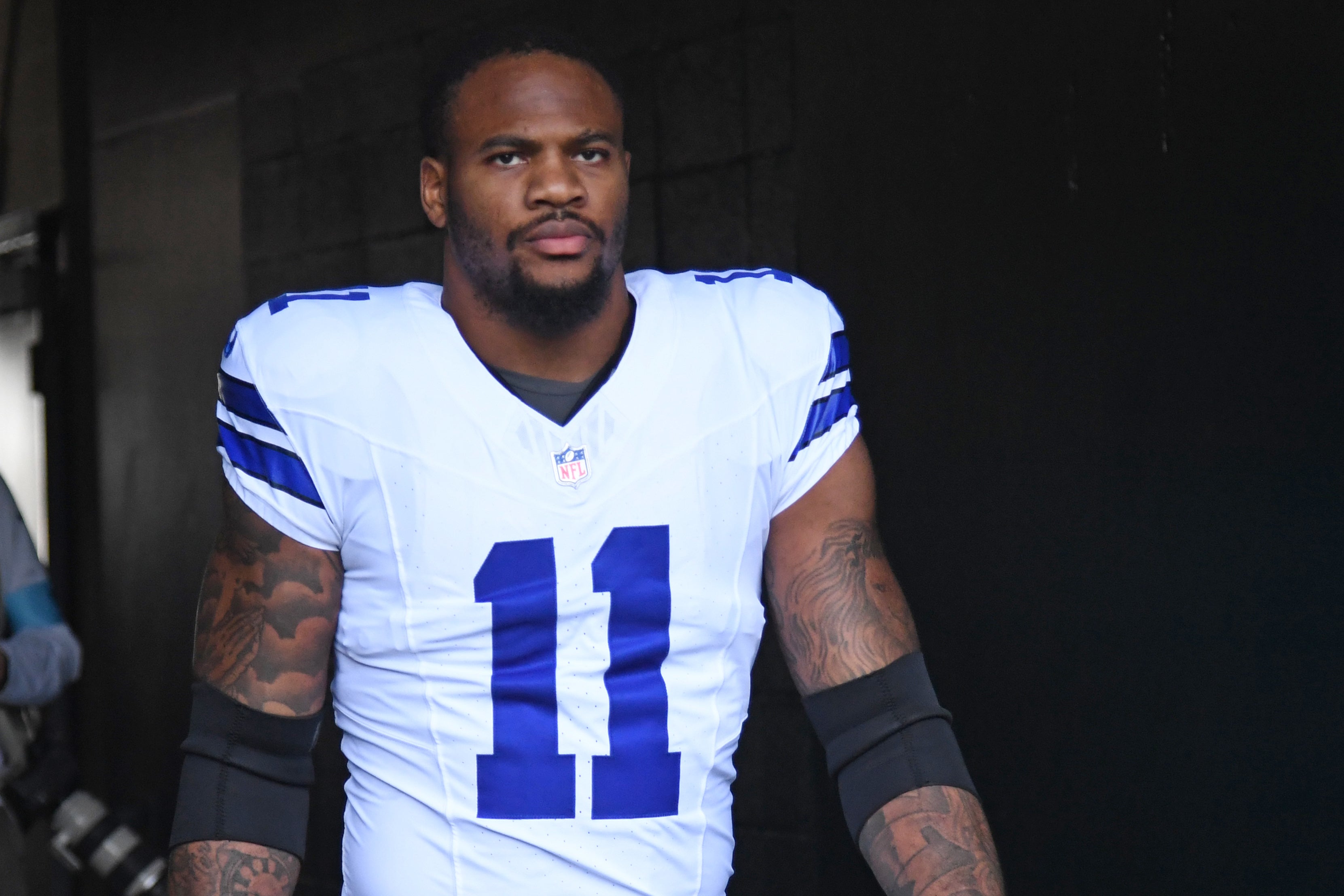
The moment the Washington Commanders traded for wide receiver Deebo Samuel from the San Francisco 49ers, you knew the NFL world was inevitably going to take aim at the Dallas Cowboys' for a controversial decision they made last October.
After all, the Commanders paid a fifth-round draft selection for Samuel, an established wide receiver who's going to go a long way in boosting the Jayden Daniels-led offense. The Cowboys gave up a fourth rounder when they acquired Jonathan Mingo, who was struggling to get on the field for the Carolina Panthers and later failed to average one catch per game in the silver and navy.
Indeed, dozens of social media accounts brought it up the moment news broke on Samuel heading to the NFC East rival. I myself wrote an article about it immediately, pointing out the contrast between each front office.
But credit to superstar Micah Parsons for emphasizing the fact that the Commanders had to give up only a fifth had everything to do with the $21.7 million they owe Samuel by posting "This legit doesn't correlate at all!"
With his post, Parsons put the NFL world overreacting to the news in check. Often times, fans believe the primary driving force behind trade compensation is the quality of a player but really it's about cash flows.
Samuel is essentially on a one-year deal worth almost $22 million. Meanwhile, Mingo still has two years left on his deal for a very cheap price, which made him costlier to get for financial reasons, not football ones.
When the trade happened, I pointed out this reality in my trade deadline takeaways article:
"One of the biggest things that determines trade value in the NFL is future cash flows, so the raised price tag probably had more to do with Mingo being on a rookie deal through 2026 than a reflection of who he is as a player."
With all of the above being said, I don't think it's wrong to criticize the move in the light of the Commanders' move. Though we should understand where trade compensations come from, it still doesn't make it a smart move to give up a fourth rounder for a player unlikely to blossom into a starter in 2025 and beyond.
Just last year, the Cowboys had to embrace the tough reality of not having a fourth round selection, which cost them an opportunity of adding a running back they needed. They could've addressed other positions as well.
The cash flows don't matter if the player isn't good. And if developing him was the idea, there's something to be said about making such a move while knowing the coaching staff was likely to be overhauled in the offseason.
All in al, the Mingo trade isn't aging like the Cowboys hoped. But Parsons is right about the cash flows being the main reason why one was more expensive than the other.
