
Covering the NFL has never been more difficult and its analysts deserve grace
Despite seeming like a fun job, being in football media is very difficult. Now, don't get me wrong, saying that isn't a complaint in the slightest. It's a joy to be able to talk about this wonderful game that we love so much. We get to use our workdays to write, talk, and break down […]


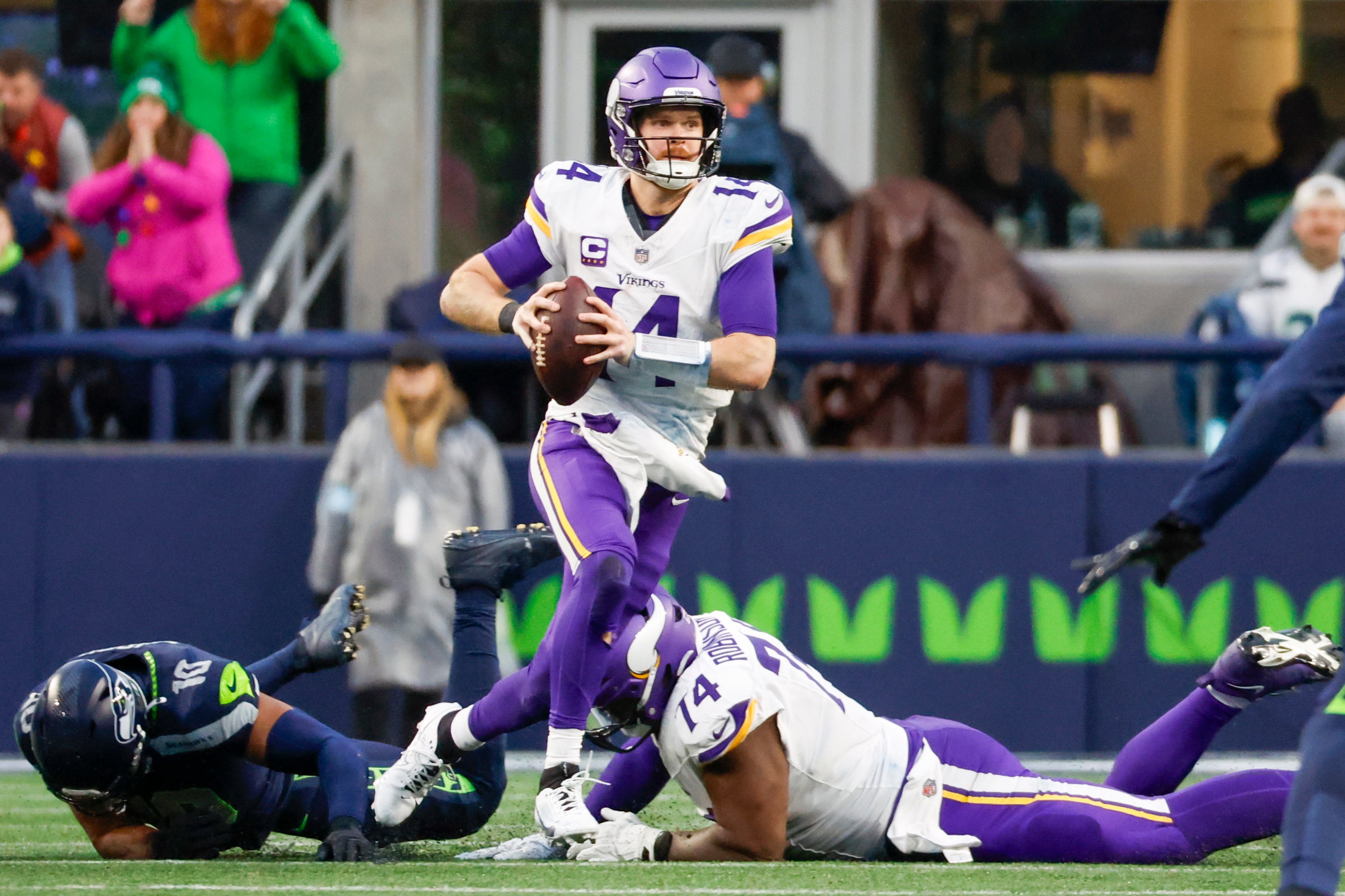
Despite seeming like a fun job, being in football media is very difficult.
Now, don't get me wrong, saying that isn't a complaint in the slightest. It's a joy to be able to talk about this wonderful game that we love so much. We get to use our workdays to write, talk, and break down the beautiful game of football. Even so, it's a reality that we all face that the job has it's difficulties.
The market itself is now extremely saturated. Everyone who has a divine passion for a sport has at some point in time considered a career in sports media and plenty of them decide to take a chance to make it in this crazy world. I was one of the lucky ones to make this a career and it took a lot of work (most of it unpaid) to prove myself and earn an opportunity. You are always fighting to stay in your position with others who desperately want the opportunity you have.
Covering the NFL as a whole is extremely difficult
Being able to go from a restaurant manager who nearly died five years ago gives me a unique perspective when looking at what we are currently seeing in how the league is covered.
It's never been harder to cover the NFL as a collective whole.
In the 20th century, the best analysts were often national columnists. They covered the game for the likes of USA Today and Sports Illustrated and were read by millions. As we shifted toward the modern day, shows like NFL Matchup on ESPN were a gateway toward the next generation of football coverage. They broke down tape and helped explain what was happening during the games.
This is stuff that happens consistently now. You see Mina Kimes and Dan Orlovsky do it every day on ESPN's NFL Live and explain things in a way that appeals to every level of fan: casual, die-hard, and football junkie.
The reality of covering all 32 teams is that you can't know everything about each one. It's impossible to understand the context of what happens with each individual team, including how they construct their rosters and what happens on a day-in and day-out basis. The other element that makes their job so difficult is the evergrowing digital media landscape that has developed some of the best analyses for each team.
Podcast networks like Locked On and sites like us at A to Z Sports have individuals who are dedicated to covering the team in the same way that networks like ESPN have with Orlovsky and Kimes, but they are focused on one team instead of 32. That type of focus makes a massive difference in terms of how nuanced the coverage is.
Back in the 1990s, the internet was brand new and you could either read the daily newspaper or watch Sports Center highlights. There wasn't much competition and that is a major factor in how today's game is covered.
Every team has the national media get things wrong about them all the time. It's bound to happen for the things that I mentioned above: they just don't have all the context about every team. It's not their fault, not everyone has 25 hours in a day like Kota Ibushi.
The other factor looped in with this is the need to draw ratings and clicks. Look no further than the Justin Jefferson contract saga from this past offseason. If you had just paid attention to ESPN or Fox, you might have thought the sky was falling. In reality, Jefferson was never going to leave the organization.
Every day, there was a discussion on one of these networks about what the Vikings and Jefferson should or might do. It got to the point where rumors were spreading about the Vikings trying to trade up for Malik Nabers to then trade Jefferson. It was wild in real-time and never true, leading one of the Vikings beat writers to call them out.
When you are trying to generate ratings, you might opine on a topic to try and drive the conversation. That's what First Take does every day with some of it being well thought out and reasoned with others being outlandish to stir up controversy. The problem with media literacy in today's day and age is that some people don't know the difference and will take someone like Stephen A. Smith giving his opinion as fact.
Give national media some grace
Let's tie this back to those that cover the sport as a collective whole. One of the things that we have today that wasn't available 30 years ago is the advent of analytics. The ability to harness data and use it to contextualize the game has never been easier. In turn, it makes things that much harder for those who have to cover the entire league.
Analytics are a wonderful tool, but sometimes, they are used to explain what is going on with a team and leave a large part of the context missing. This is not an intentional element; rather, things get missed because of all the information publicly available to teams.
All of this boils down to one point: it's harder than ever to cover the entire league, so give them some grace. The job is incredibly difficult and they will sometimes miss a piece of context your team's beat or favorite podcast will have because that's all they cover.
Those who cover the league as a whole are there because they are incredibly smart and talented at what they do. Understand what the job is and give them a bit of grace if they miss a small piece of context.
