
Titans: Biggest reason for optimism for Treylon Burks to play Week 1 vs. Saints
Tennessee Titans wide receiver Treylon Burks was diagnosed with an LCL sprain in his left knee earlier this week after being carted off from joint practices in Minnesota. But after Titans fans got the ultimate scare, head coach Mike Vrabel said on Thursday that it was the “best case scenario” for Burks, who was originally […]


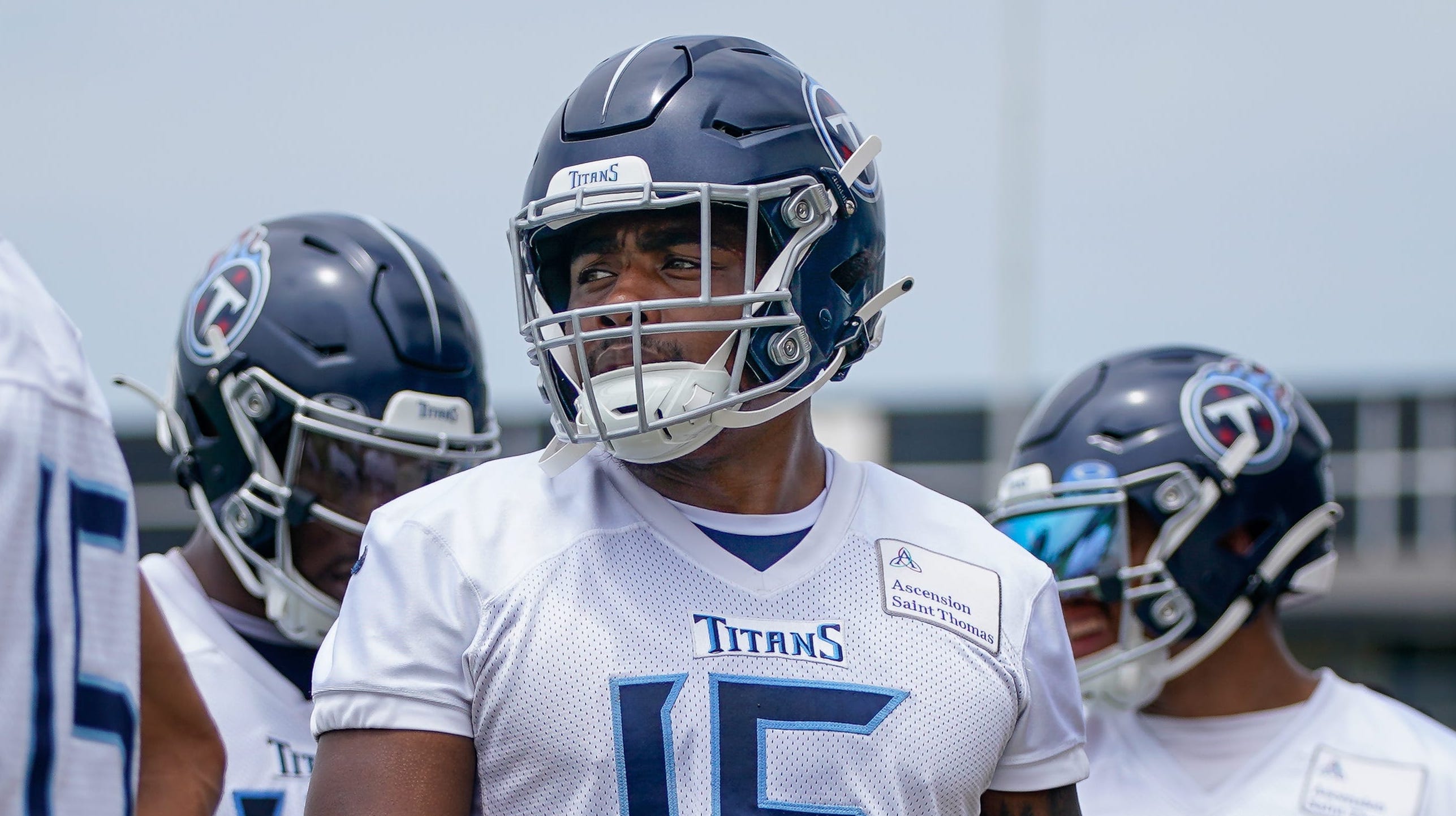
Tennessee Titans wide receiver Treylon Burks was diagnosed with an LCL sprain in his left knee earlier this week after being carted off from joint practices in Minnesota.
But after Titans fans got the ultimate scare, head coach Mike Vrabel said on Thursday that it was the “best case scenario” for Burks, who was originally very frustrated, but now relieved.
There’s even reason for optimism that Burks could return for the Titans’ Week 1 opener against the New Orleans Saints.
On Thursday morning’s episode of A to Z Sports Doc Talk, Austin Stanley and I spoke with Dave Kempfert. Kempfert is a former collegiate All-American and NFL offensive lineman that now serves as the Director of Rehabilitation Services for the Bone and Joint Institute of Tennessee.
Kempfert mentioned on the show that having preplanned routes and will allow Burks to control his movement better, overcome the mental barriers of returning from a knee injury, and get back on the field quickly.
"The good thing is that wide receivers versus like defensive backs – defensive backs are always in reaction mode. The nice thing about the wide receiver position is you do have a little bit more ability to preplan your activities," said Kempfert during the show.
Kempfert said that most wide receivers, because they know the routes and assignments before each play, feel better about coming back from an LCL injury (which can make sharp cuts feel uncomfortable).
"[Receivers] feel a little bit more confident about getting back because they can control some of their motion even when it's not going full speed," said Kempfert.
Want some more good news? Kempfert believes that "longer routes" will go "very well" for Burks early on in his recovery because they are predictable and require less sharp cuts. Explosive straight line speed shouldn't be an issue.
One of the most valuable things Burks brings to the Titans' offense is his size and play strength as a deep threat. DeAndre Hopkins, a craft route-runner with reliable hands and excellent body control, is the perfect compliment to Burks to get targets underneath while Burks takes the top off the opposing defense.
There are 25 days between when Burks got injured (August 16) and Tennessee's first regular season game (September 10). A grade one sprain usually means between 2-4 weeks of recovery are needed.
By September 10, I think Titans fans can be really optimistic that Burks will be able to run his deep routes and be on the field. Will the 23-year-old wide out be at 100 percent by then? There's no telling. But his presence alone opens up a lot of options for the Titans offensively.
