
Three reasons behind the Packers' decision to move on from Aaron Jones to sign Josh Jacobs
When Tom Silverstein reported that the Green Bay Packers could release Aaron Jones if he didn't accept a paycut, the initial reaction among fans was disbelief. Sure, he only played 11 games in the last regular season, but the final stretch was amazing — and it included a postseason career high in carries, rushing yards, […]


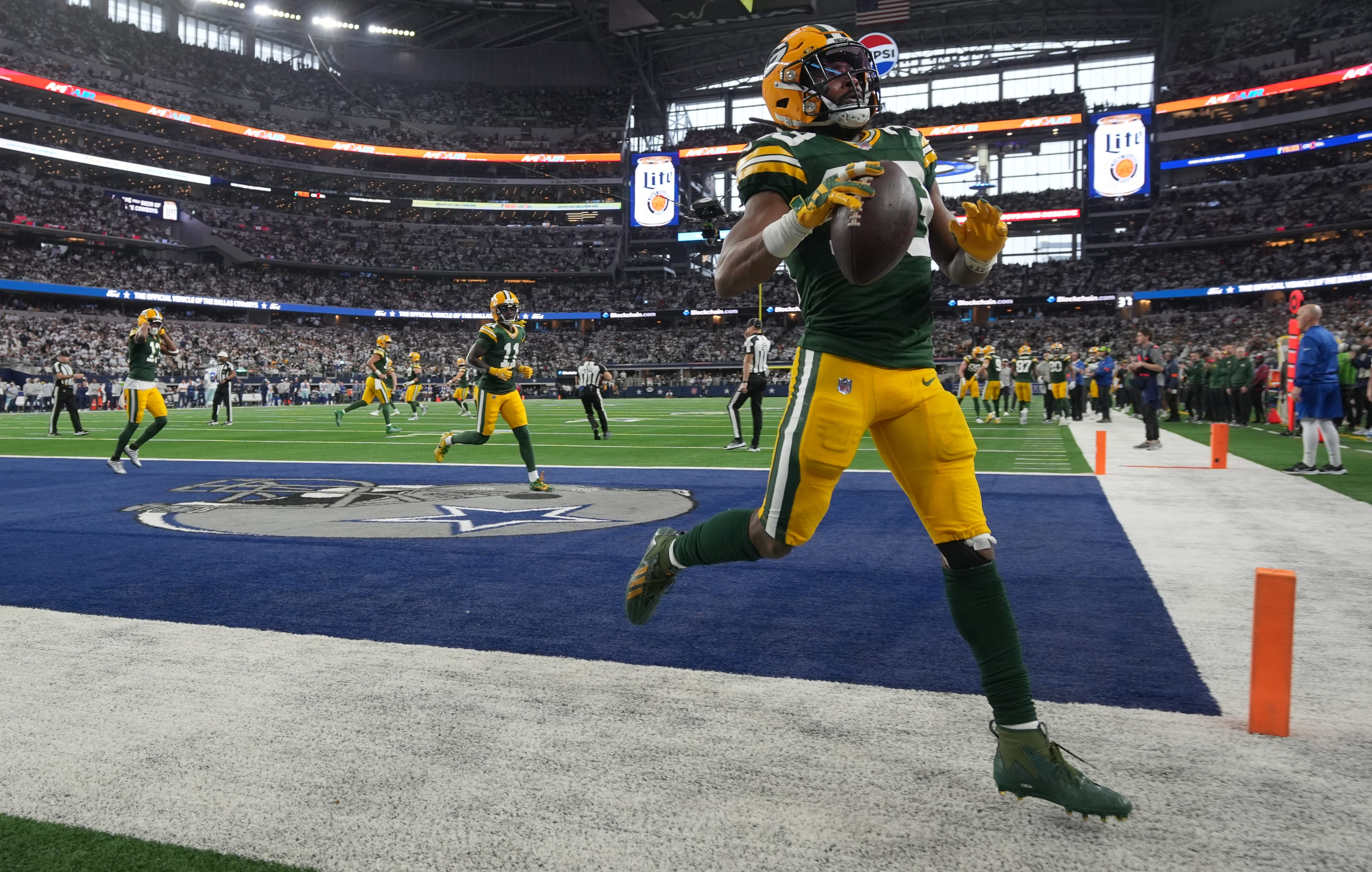
When Tom Silverstein reported that the Green Bay Packers could release Aaron Jones if he didn't accept a paycut, the initial reaction among fans was disbelief. Sure, he only played 11 games in the last regular season, but the final stretch was amazing — and it included a postseason career high in carries, rushing yards, and rushing touchdowns.
On Monday, everything came to fruition. Initially, there was hope for a top 1-2 punch when it was reported by Ian Rapoport that Josh Jacobs intended to sign with the Packers. Hours later, though, Adam Schefter broke the news: the Aaron Jones era in Green Bay is over.
1) Age
An old philosophy particularly respected in Green Bay says that it's better to part ways with a player one year early than one year late. And while it's difficult to release such a good running back, who's still producing at a high level, there are fair reasons for the move.
The first and biggest one is age. Aaron Jones is 29, he will be 30 by December. And while the Packers successfully managed his workload throughout his career, it's extremely rare to find running backs playing well beyond that age. More likely than not, Jones' performance will decline soon.
On the other hand, Josh Jacobs is 26. The Las Vegas Raiders gave him a heavier workload, but the age difference is still a big factor.
2) Money
With the age factor in mind, the Packers had a decision to make. They could have kept both Jacobs and Jones, for sure, but general manager Brian Gutekunst thought they would spend too much money on a non-premium position.
Josh Jacobs received a four-year, $48 million contract. While the average is $12 million per season, there is no guarantees left beyond year 1 ($14.8 million).
Combining that with Aaron Jones' deal would have been tough, even though the Packers have an extremely cheap offensive roster everywhere else.
Jones was entering the final season of the four-year extension he signed back in 2021 — the same total number than Jacobs' new deal. He was slated to make $12 million in 2024.
By releasing him, the Packers will save $5.22 million this year. Green Bay will handle $12.4 million in dead money.
3) Health
Availability was also a big factor for the Packers' decision. Even though both running backs have played the exact number of regular season games (73), Jones has handled several significant knee injuries.
Jacobs is younger and has had less severe issues — last year, he had a led quad bruise, for example. In 2021, he had toe and chest injuries. The biggest problems were ankle injuries early on, but that doesn't appear to be an issue anymore.
The Packers tried to keep Aaron Jones, and general manager Brian Gutekunst praised how much impact the running back had over the years.
"He was such a difference-maker when he was out there this year," Gutekunst said earlier this year. "The way our offense was able to move. He changed a lot of the way we operated when he was in there and when he was healthy. He's such an influential leader in our locker room. He's just really the heartbeat of our team."
Money talks, though. Aaron Jones didn’t want to take a paycut for the second consecutive year, and the combination of durability, price, and age was too much for the Packers. Now, it’s the Josh Jacobs show.
