
Rams running out of time to fix growing problem surrounding Puka Nacua’s contract
The wide receiver is set to play the final year of his rookie deal, and now he’s eligible to get a contract extension from Los Angeles.


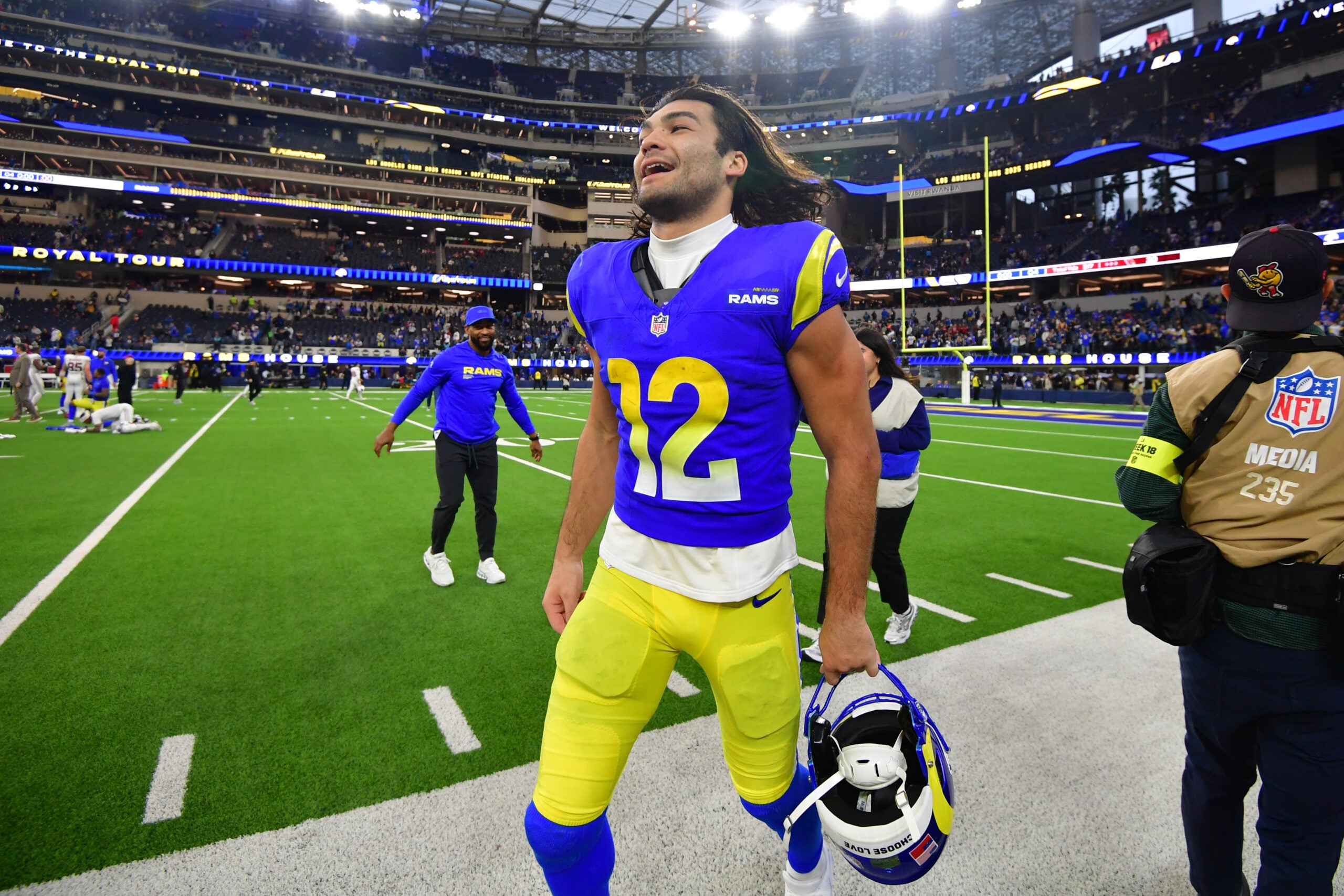
Puka Nacua is entering the final year of his rookie deal with the Los Angeles Rams, and the pre-training camp extension window represents a critical opportunity for one of the NFL’s most cap-aggressive teams to lock up their most productive offensive weapon.
Nacua, who led the NFL in receptions with 129 and finished second in receiving yards with 1,717 in 2025, will earn just $7.67 million in 2026 thanks to the proven performance escalator. That number is a fraction of what the wide receiver market now demands, and the Rams’ approach to this negotiation will have significant implications for their salary cap health over the next several years.
Why timing matters
Reports indicate ongoing discussions between the two sides, but Los Angeles may prefer to wait until after the 2026 season and then play the franchise tag game. That approach carries risk, and the wide receiver market has exploded.
Seattle Seahawks’ Jaxon Smith-Njigba is the highest-paid receiver in the NFL at $42.15 million per year, surpassing Cincinnati Bengals’ Ja’Marr Chase at $40.25 million. Logic points to Nacua eventually surpassing both of those numbers. His 2025 production supports that kind of deal, as he ranked first among wide receivers in the NFL in yards per route run at 3.71 and second in passer rating when targeted at 129.6.
If the Rams were to sign Nacua to a four-year, $172 million extension ($43 million per year), combining the remaining value of his current contract would create a five-year, $177.67 million total deal. That structure would drop his yearly average to roughly $35.55 million, a significant reduction from the $43 million annual figure on the new money alone.
That distinction matters for cap construction. Getting an extension done now gives the Rams the ability to spread the cap hit across a longer window, keeping the first-year number lower while gradually increasing the annual figures over the life of the deal.
The Rams tend to structure contracts in a relatively straightforward way. The Trent McDuffie deal, signed after the cornerback was acquired from the Kansas City Chiefs this offseason, illustrates the approach. Los Angeles is paying relatively balanced numbers throughout his five-year contract: $22 million in Year 1, $28 million in 2027, $27 million in 2028, $30.5 million in 2029, and $30.132 million in 2030.
The team gave McDuffie a relatively lower signing bonus ($14 million) putting most of his earnings as base salary. That gives the Rams flexibility to convert money into a restructure bonus later to lower the cap hit, and it also provides the option to trade the player if something goes wrong in the future, keeping the cap situation manageable year after year.
The risk of waiting
The case for the Rams to delay centers on some off-field controversies this offseason and the benefit of keeping Nacua’s salary cap number low in 2026 before it balloons. But the long-term cost of waiting could outweigh those short-term advantages.
If the Rams push the extension past this season, the team would likely need to franchise tag Nacua next offseason. At that point, Los Angeles would lose the leverage that comes with the final cheap year still on the books. The franchise tag number for receivers continues to climb, and negotiating an extension on top of a tag removes the ability to spread the larger numbers across a longer period.
The difference between doing a deal now and doing one after a franchise tag year is substantial from a cap perspective. The Rams would go from having a flexible, team-friendly structure to being forced into a compressed timeline with less room to maneuver.
The Rams have built a reputation as one of the league’s most aggressive teams when it comes to cap management, and this situation calls for that same approach. Nacua’s production warrants top-of-market money, and the question is whether Los Angeles structures the deal in a way that protects its cap flexibility or waits long enough that the options narrow considerably.
