
3 best decisions Packers made while building their initial 53-man roster
General manager Brian Gutekunst reaped the benefits of some strong decisions to finalize his roster cuts.


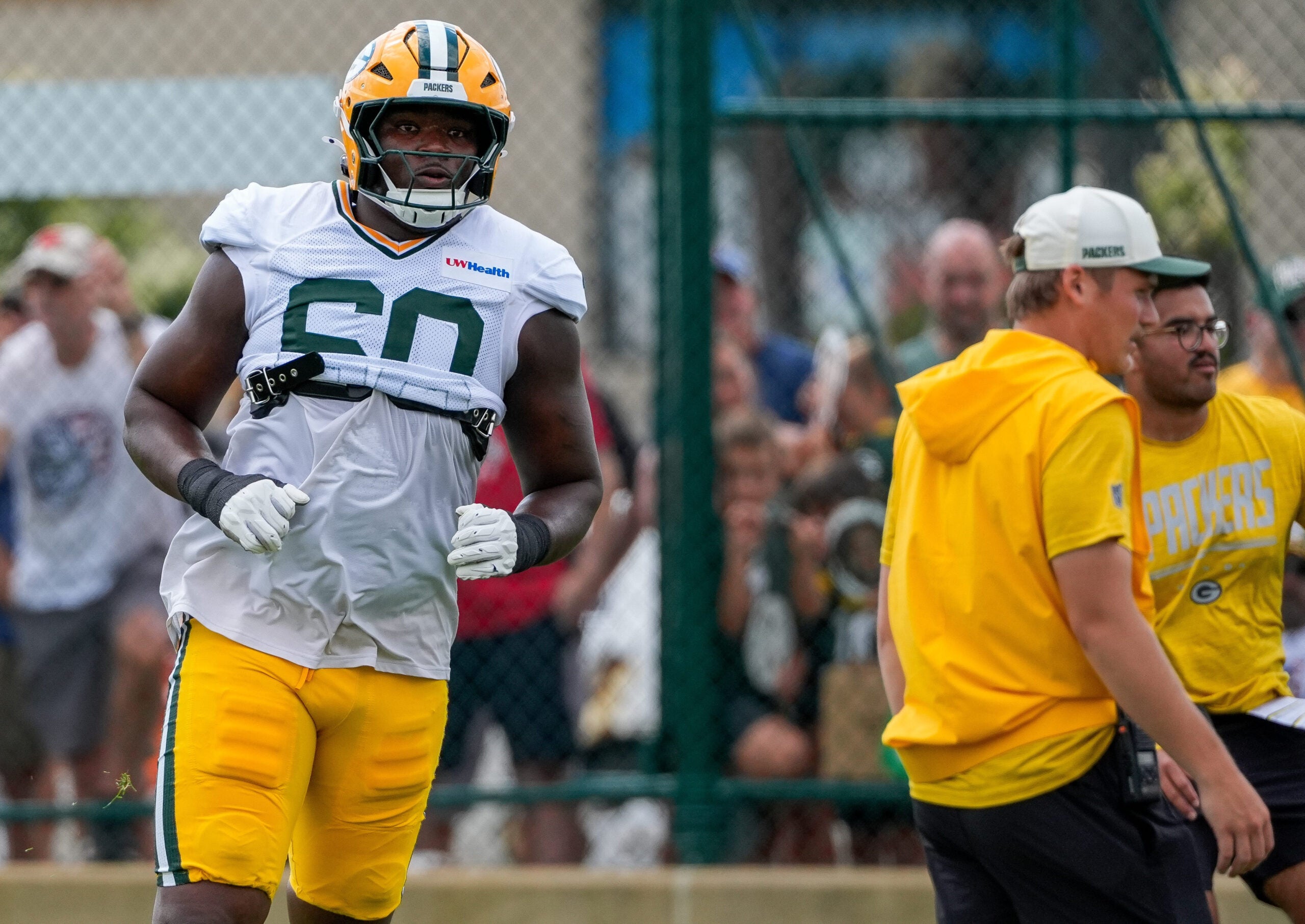
The Green Bay Packers finalized their initial 53-man roster on Sunday night, and several decisions stood out as smart, forward-thinking moves by general manager Brian Gutekunst. The Packers showed a willingness to reward production over pedigree, and that has value for the roster.
So, let’s discuss the three best decisions Green Bay made during the roster cutdown process. By the way, we have also talked about the Packers’ worst cutdown day moves.
J. Michael Sturdivant earns his spot
The first standout decision was keeping wide receiver J. Michael Sturdivant. The undrafted rookie was a draftable player on the Packers’ board, but Green Bay traded its two seventh-round picks to move back into the sixth round for kicker Trey Smack. That left no late-round selection for Sturdivant, who instead signed as a priority free agent with $200,000 in guarantees.
Sturdivant making the roster was impressive but not necessarily surprising given what he showed throughout training camp and the preseason. The 6-2, 213-pound receiver posted an 85.8 PFF grade across the preseason slate, catching nine of 11 targets for 142 yards. His best performance came Friday night against the Arizona Cardinals, when he hauled in six catches for 112 yards and a touchdown, generating a 149.1 passer rating when targeted.
The path became easier when the Packers placed Savion Williams on injured reserve with a designation to return, opening a sixth wide receiver spot. Sturdivant beat out Isaiah Neyor and Will Sheppard for that role. Yes, some of his preseason production came against backups, but Sturdivant maximized every opportunity at this stage of his career.
Anthony Campbell forces the Packers’ hand
The second decision worth highlighting involved defensive tackle Anthony Campbell, who essentially created a roster spot for himself. The Packers ended up keeping seven interior defensive linemen, a number you wouldn’t have expected earlier in the process. Campbell was so effective that he forced Gutekunst’s hand.
Campbell is not a rookie. He went undrafted out of Miami (Florida) and originally signed with the Seattle Seahawks last year. After being waived following training camp, he spent most of his rookie season on Seattle’s practice squad before signing with the Packers’ practice squad on Jan. 7. Green Bay then gave him a futures contract, and that ended up being a great move.
The circumstances made Campbell’s production even more impressive. Players in his situation are competing against rookies and draft picks who already have organizational investment behind them. Campbell generated seven pressures in 82 defensive snaps (55 pass rush snaps), and his strong play extended beyond the games into practice as well.
Waiving Domani Jackson was the right call
The third best decision was actually one to move on from a player. The Packers waived sixth-round rookie Domani Jackson, and that took some conviction. Green Bay usually tends to be conservative with its draft picks, especially in their first year. It’s pretty rare for Gutekunst to waive players who aren’t seventh-rounders, so the willingness to cut Jackson signals the front office prioritized roster quality over draft-pick loyalty.
Jackson missed parts of training camp and the first preseason game because of a core muscle surgery. When he did play in the final two preseason games against the Denver Broncos and Cardinals, he struggled. His performance against Arizona was particularly poor.
That doesn’t mean Jackson won’t return. Considering what he showed, it’s realistic to expect he could clear waivers. If he does, the Packers could bring him back to the practice squad and continue developing him, potentially even considering a transition from cornerback to safety. But Jackson didn’t deserve a 53-man roster spot at this point.
