
Packers create an unusual NFL headache after contact with a player who can’t sign with them in 2026
Green Bay reported Zxavian Harris’ tryout on Tuesday, and the league sent clubs a memo on Wednesday to clarify that can’t happen due to an eligibility battle.


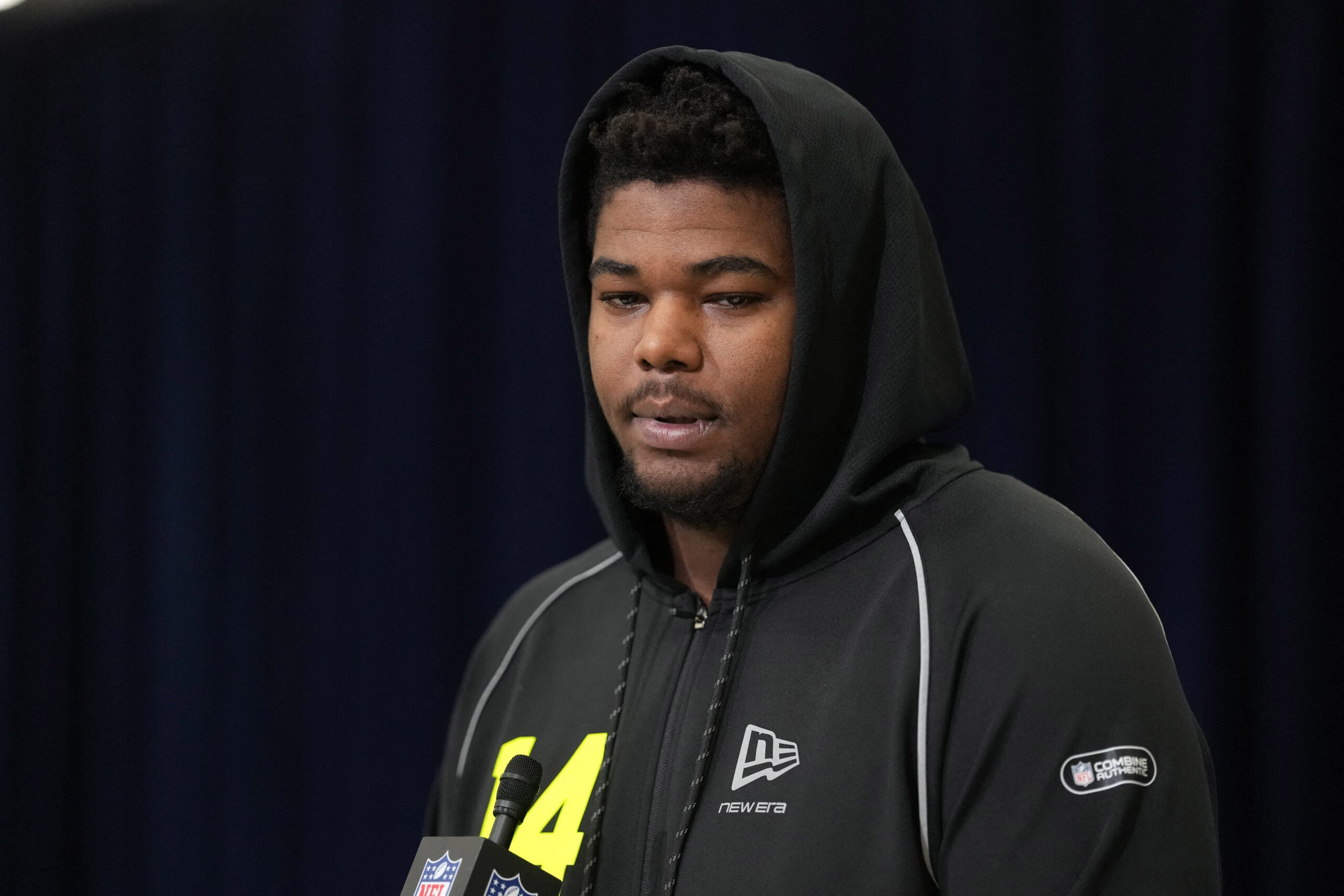
The Green Bay Packers find themselves in a complicated and uncomfortable situation with the NFL after trying out defensive tackle Zxavian Harris earlier this week. The NFL Management Council sent a memo to all 32 clubs declaring that Harris and tight end Dae’quan Wright are ineligible to visit, try out with, or be signed by any NFL team during the 2026 season. Both players attempted to return to college football after the opening of NFL training camps, which affected their player eligibility.
According to the memo shared by Netflix/The Ringer insider Tom Pelissero, the NFL sent to its clubs the information that the players are not eligible to play this season.
“The following players who were eligible for the 2026 NFL Draft returned to college and participated with their college football team after the opening of NFL training camp and therefore they are ineligible to visit, try out with, or be signed by NFL clubs during the 2026 NFL season.”
The second portion of the memo is what could create problems for Green Bay, given that the Packers already brought Harris in for a tryout, which was reported on Tuesday’s personnel notice.
“Clubs are reminded that it is each club’s responsibility to verify player eligibility. If a club is unable to verify a player’s eligibility, either on its own or in consultation with the NFL Player Personnel Department, the club may not sign such player to a contract and may not otherwise permit the player to practice or play with the club, including a visit or tryout. Violations may subject the club to discipline, including the loss of draft choices and/or fines. Club personnel may also be subject to fines and/or suspension. If there is any question regarding a player’s NFL eligibility, it is imperative that the club contact the NFL Player Personnel Department.”
How Zxavian Harris (and the NFL) got here
Harris played defensive tackle at Ole Miss and went undrafted in the 2026 NFL Draft. He then signed with the New Orleans Saints, spent training camp and the preseason in New Orleans, but was waived on Aug. 8. After his release, Harris attempted to return to college football, this time at LSU rather than his original school. The Tigers went through a legal battle to allow players who had signed professional contracts to return to college, but ultimately gave up on the possibility of adding Harris and Wright.
That recruitment effort was made possible by an injunction granted by Judge William Jorden, paving the way for NCAA and SEC eligibility for more than 40 athletes. The rule allows players five years of eligibility over five calendar years, even after they explored NFL avenues.
Both Wright and Harris explored that path for one more college season. The situation sparked controversy among college programs and the SEC. LSU ultimately did not add Wright or Harris to its roster, leaving both players without a college team and now, per the NFL’s memo, without NFL eligibility for the 2026 season.
It’s a headache for the NFL, and maybe for Green Bay
It’s difficult to project a scenario where the Packers face significant punishment for the Harris tryout, primarily because the memorandum went out to clubs after Green Bay had already brought him in. The timeline suggests the Packers may not have had clear guidance on Harris’ eligibility status when the workout took place. That said, the memo’s language is broad enough that discipline remains possible, and the situation is open for interpretation.
Neither Harris nor Wright will be eligible for the 2026 season, but both could return as free agents in 2027. Based on what the Packers saw during this week’s tryout, Green Bay could have interest in Harris when he becomes available again. For now, the next development to watch is whether the NFL determines that the Packers’ tryout of Harris warrants a fine or any other form of discipline.
