
Brian Daboll may be preparing a Cam Ward change that helped his Giants beat the Eagles just last season
Here are the Titans keys to the game in Week 2 if they want to bounce back against the Eagles.

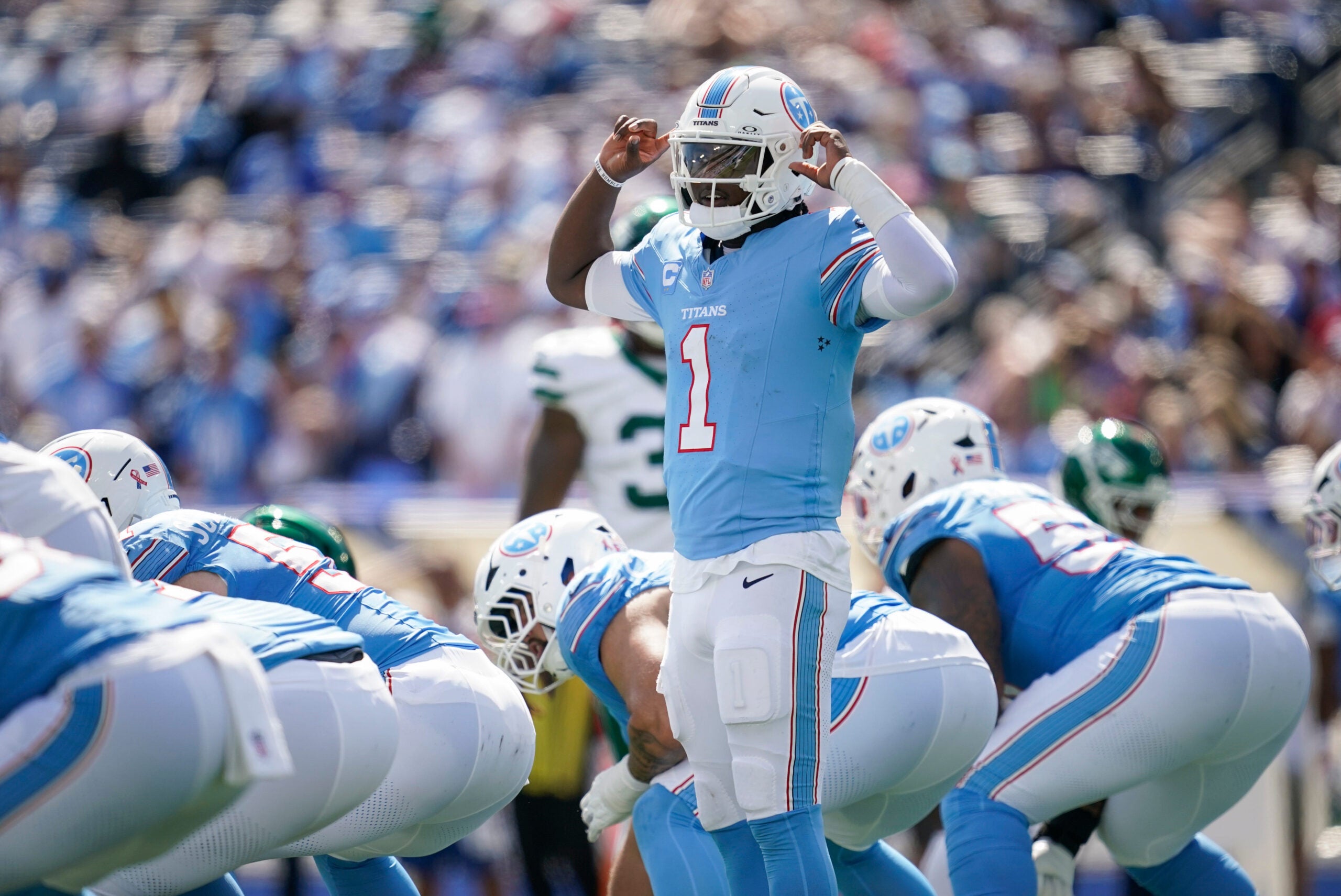
The Tennessee Titans need answers on offense heading into Week 2 against the Philadelphia Eagles, and there are signs that Brian Daboll may have a wrinkle in store.
After a putrid showing against the New York Jets in the opener, Daboll’s play-calling is under the microscope. Quarterback Cam Ward, the Titans’ run game, and the quick passing attack all need a jumpstart. Today’s question: is getting under center more frequently the catalyst for a better performance at Nissan Stadium this weekend?
What the tape says about Daboll’s tendencies
ESPN’s Dan Orlovsky worked through the Week 1 film and had a pointed message for the Titans: for the love of God, get out of so much shotgun.
Give Cam Ward a better chance to succeed! That sentiment sparked some digging into Daboll’s historical tendencies, and the numbers tell an interesting story.
Daboll’s offenses have typically operated at a high shotgun rate, somewhere in the range of 70% to 80% of snaps. The Titans’ Week 1 usage was right in that wheelhouse, leaning heavily on shotgun against the Jets. But here’s where it gets interesting. Last season, when Daboll was still with the New York Giants, his offense beat the Eagles 34-17 in a game where the under center rate ticked up to 29.9%, a marked increase from their season-long average of 23.5% (per Sumer Sports). That’s a meaningful jump, and it came in a game where the Giants controlled the tempo and put up 34 points on a Philadelphia defense that was supposed to be among the league’s best.
I have some good reasons to believe we may see more under center looks on Sunday. It wouldn’t be a surprise to see Daboll deploy that same approach against the same opponent that recipe worked against a year ago.
Why under center matters
Getting under center maintains the element of surprise. It opens up play-action possibilities and forces a defense to respect the run, keeping their box honest. The tradeoff is that the quarterback has to turn his back to the defense or take a longer drop when there’s no play-action element to the play. It’s a give and a take.
Ward has lived in spread shotgun concepts since he left high school, through every college stop and into the NFL. Shifting him under center isn’t guaranteed to be transformative. But it could help in other ways, particularly by setting up the run game and creating bootleg opportunities that let Ward use his legs in a more controlled fashion. The play-action numbers from Week 1 support the idea: the Titans ran play action minimally against the Jets, but when they did, it was effective. They just didn’t lean into it much.
Daboll himself admitted in his Thursday press conference that he should have stuck with the run more in Week 1 and called that game better. Whether “better” means more under center specifically, or simply a greater commitment to establishing the ground game, the result should look similar. Tony Pollard and this offensive line showed they could run the ball against the Jets. The problem was that they were forced to abandon it too early, and the offense spiraled from there.
The easy-button prescription that might actually work
There’s nothing we as fans love more than suggesting a fix for any struggling offense: it’s always “more play action” and “hit the layups in the quick game!” It’s very simple. It’s the Fan Handbook 101 solution. But sometimes the obvious answer is the right one.
Conversations with Titans players this week painted a picture of an offense that wants to run the ball well, set up the pass with the run, and lean on quick passing concepts to jumpstart drives. Week 1 didn’t give us a great glimpse of that identity because the game got away from them so quickly.
Wan’Dale Robinson’s unique skill set is tailor-made for the quick game. Tight end Gunnar Helm was one of the most open players on the field in Week 1 based on his average yards of separation. And Carnell Tate should be a volume target every single week if you ask me. Getting the ball to those guys early and often, paired with a commitment to the run and more play-action looks, could settle this offense down.
Why the timing is right against Philadelphia
The Eagles had the second-highest three-and-out percentage in the NFL in Week 1, trailing only the Titans themselves. Philadelphia went three-and-out 5 times in their opener. Jalen Hurts is still adjusting to a new offensive system under coordinator Sean Mannion, and the Eagles looked far from polished.
The Jets made it painful for the Titans in Week 1 because they sustained drives, bled clock, and kept the Tennessee defense on the field. That compounding effect pushed Daboll away from the run even further. Against an Eagles offense that’s prone to stalling out, the Titans defense has a real chance to get stops and give their offense shorter fields and more possessions. Complementary football could actually show up this week if both sides do their part.
The Titans don’t need to reinvent the wheel here. They need to do the things they showed they could do in training camp and joint practices, just with more conviction and better play-calling discipline. Getting under center a little more, committing to the run, leaning on quick passing, and letting Cam Ward operate in rhythm would go a long way toward washing the taste of Week 1 out of everyone’s mouth.
