
Packers’ costly mistake from the past comes back to haunt them after Colts make blockbuster trade with an NFC contender
Indianapolis sent Quenton Nelson to Seattle for a modest return, and Green Bay had every reason to be part of that conversation at guard.


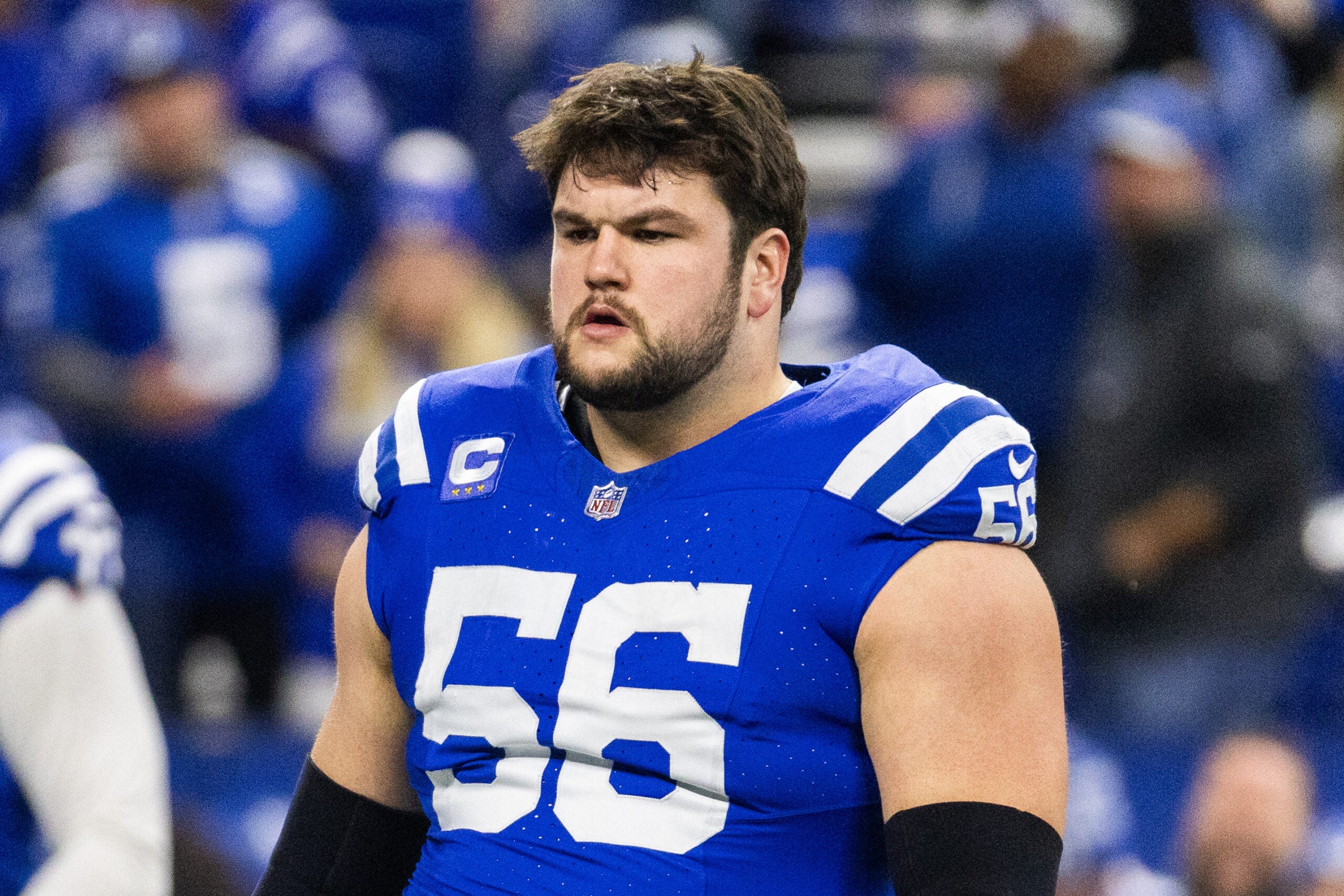
The Green Bay Packers have been searching for answers at guard all season, and the latest blockbuster NFL trade made one of their past mistakes painfully clear. The Indianapolis Colts traded guard Quenton Nelson to the Seattle Seahawks. The return was surprisingly modest for one of the premier guards in football.
Seattle sent Indianapolis a 2027 third-round pick and a 2028 fifth-round pick. From a Packers perspective, that price is hard to watch. Green Bay could have put together that type of offer, and guard is one of the weak links of the roster, possibly the weakest.
A patchwork at guard
The Packers have made several moves at the position throughout the season. They signed veteran Kevin Zeitler for $4.05 million and added Laken Tomlinson off the Dallas Cowboys’ practice squad. They also brought in Mekhi Becton, who initially joined the practice squad and is now on the active roster. Still, Travis Glover has been the starting right guard.
Those are stopgap solutions. Nelson, on the other hand, has been an All-Pro six times and remains one of the best interior offensive linemen in the league. A third- and a fifth-round pick for that caliber of player is the kind of deal a contender with a hole at guard should at least explore.
So why weren’t the Packers in a position to make it happen? One specific decision from the past at least partially answers that question.
The Aaron Banks problem
Green Bay gave guard Aaron Banks a four-year, $77 million contract in free agency in 2025. This year alone, he’s making $18 million. And that’s because the Packers committed to him as a long-term starter at a position where they needed stability.
It hasn’t worked out. Banks has been a mediocre starter when available, and he has dealt with multiple injuries. He has played only 22 offensive snaps this season.
Now compare that to Nelson. He’s making a $16 million base salary, so acquiring him at this point would cost slightly less than $10 million for the rest of the season. In other words, Banks is more expensive than Nelson this year. There’s the trade compensation to consider, of course. But for a premier player with multiple All-Pro honors, in comparison to a starter who has barely been on the field, the move would have been worth it.
Green Bay missed the opportunity to get a much better player for potentially similar value this year. The money tied to Banks is the main reason the Packers weren’t in a position to make that type of deal. And last year, they had also prioritized Banks over making a trade for Joe Thuney, for example.
Why the Packers stayed out
Banks’ contract isn’t the only factor, to be fair. Green Bay has other expensive deals on the roster, and some extensions are looming for next year, especially on the defensive side of the ball. Long-term cap stability was likely a consideration because the Packers don’t have much flexibility to make significant moves. And they don’t even have the cap space necessary to absorb Nelson’s deal right now without making additional adjustments.
A Nelson trade would also come with a follow-up question. He would probably want a contract extension relatively soon. The Packers would have faced one of two scenarios: pay significant draft capital for a half-season rental, or give Nelson an extension later and add another big number to the books.
This is conjecture, not necessarily how the conversations played out. But general manager Brian Gutekunst and his staff almost certainly knew the price tag. Executives talk all the time to understand the market, so the Packers won’t be surprised that Nelson went for that return. For the most part, it seems Green Bay simply didn’t view the combination of draft compensation, cash, and cap space as justifiable for the position.
That decision would be easier to accept if the Banks’ deal hadn’t eaten up so much of that room in the first place. Instead, the Packers didn’t make the move, and Nelson is now headed to another NFC contender, one that Green Bay could end up facing when it matters most if the team goes that far.
